The Galaxy Watch9 and the Galaxy Watch Ultra2 sit at two different points on the same family tree: one is a trimmed everyday smartwatch, the other is a reinforced tool built around endurance sports and harsh conditions. This guide exists to give buyers of either model a factual, side-by-side reference they can bookmark and return to before spending money.
| Feature & Selling Point |
Galaxy Watch9 |
Galaxy Watch Ultra2 |
| Case Sizes |
40 mm and 44 mm |
47 mm (single size) |
| Display Brightness |
Standard outdoor-readable panel |
Up to 5,000 nits on a 1.52-inch screen |
| Battery Capacity |
390 mAh (typical, 40 mm) |
800 mAh (typical) |
| Case Material |
Standard watch case finish |
Titanium-cut case |
| Water Resistance |
Swim-ready rating |
10 ATM plus IP69K |
| Durability Focus |
Daily wear and light training |
Extreme-condition construction |
| Wrist Presence |
Compact, understated profile |
Large, raised tool-watch profile |
| Health Tracking |
Full Galaxy health suite |
Full Galaxy health suite |
| Positioning |
Everyday flagship |
Rugged flagship |
| Best Suited To |
Desk-to-gym routines |
Trail, open water, expeditions |
| Colour Options |
Graphite and other standard tones |
Titanium Gray and rugged finishes |
| Connectivity |
Bluetooth and cellular variants |
LTE-first configuration |
| Key Selling Point |
Two sizes, lightweight feel |
Brightest display and largest battery |
| Anatomy |
Slim bezel, balanced lugs |
Reinforced bezel, crown guard |
Two rows in that table decide most purchases. The Ultra2 carries roughly double the typical battery capacity of the 40 mm Watch9 while adding a titanium-cut case and a 10 ATM plus IP69K rating, and its 1.52-inch panel peaks at up to 5,000 nits. The Watch9 answers with two case sizes instead of one, which matters for smaller wrists that cannot comfortably carry a 47 mm body.
How the Two Models Split the Galaxy Line
Samsung describes the Watch9 as a two-size proposition, available in 40 mm and 44 mm, while the Watch Ultra2 is offered in a single 47 mm size. That single decision shapes everything downstream: strap overhang, lug angle, how the watch sits under a cuff, and whether the case edge catches on a jacket sleeve during a commute. A 47 mm case is not simply a scaled 44 mm case, and Samsung has not treated it that way, opting instead for a distinct chassis with a raised bezel and a crown guard.
The naming itself reveals the intent. One model keeps the plain Galaxy Watch badge; the other carries the Ultra surname that Samsung reserves for hardware pushed toward environmental limits. Buyers comparing the two are often really asking a simpler question: does the extra mass and cost of the Ultra2 translate into daily benefits, or does it only pay off in situations most people never reach?
Battery Life and the Reality of Multi-Day Use
Samsung publishes an 800 mAh typical battery for the Galaxy Watch Ultra2 and a 390 mAh typical cell for the 40 mm Galaxy Watch9. Capacity alone never tells the whole runtime story because display size, brightness ceiling, and use of always-on modes all draw from the same tank, but the direction is unambiguous: the Ultra2's larger chassis exists partly to swallow a power cell that would not fit inside a 40 mm case.
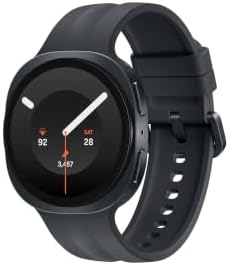
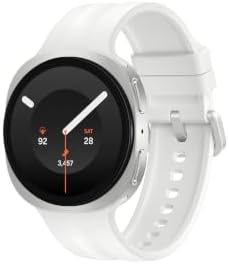
Practical consequences follow. A hiker tracking a full day of GPS with the screen at high brightness will see the Watch9 tire well before the Ultra2. Conversely, a shorter runtime target paired with a lighter 40 mm body can be the better outcome for someone who charges nightly anyway and dislikes weight on the wrist. Among the compact options, the Samsung Galaxy Watch9 Graphite 40mm Bluetooth Smartwatch sits at the lighter end of that trade, which makes it a sensible reference point for anyone prioritizing wearability over endurance.
Display Brightness and Outdoor Legibility
Samsung states that the Galaxy Watch Ultra2 uses a 1.52-inch display with up to 5,000 nits of brightness, described by the company as the brightest ever on one of its watches. That figure matters in exactly one scenario, but it is a scenario outdoor athletes encounter constantly: direct midday sun on reflective terrain, where a dimmer panel forces a squint and a wrist tilt.
The Watch9 panel is not positioned around that same headline number, and shoppers should read the two products accordingly. Brightness on this scale also affects behavior in the opposite direction, since a panel capable of 5,000 nits can drop to very low output at night, which is one reason Samsung pairs such displays with an adaptive brightness curve rather than a fixed level.
Durability Ratings and What They Actually Permit
The Ultra2 carries an IP69K rating alongside 10 ATM water resistance, a combination that points toward high-pressure water jets, dust ingress, and sustained submersion rather than a quick rinse at a sink. The Watch9 keeps a swim-capable rating that covers pools and open-water sessions without the same emphasis on pressure tolerance.
These ratings describe certified limits, not a guarantee against carelessness. Salt water still demands a freshwater rinse after use, and thermal shock from a hot shower to cold water stresses seals regardless of rating. What the Ultra2 rating does provide is margin: it is engineered for environments where the difference between 5 ATM and 10 ATM stops being academic, such as high-speed water sports or a case that takes repeated knocks against rock.
Material, Weight, and Long-Term Wear
Samsung specifies a titanium-cut case for the Galaxy Watch Ultra2, and the company markets the model as built for durability. Titanium earns its place here for two reasons: it resists corrosion in salt-heavy environments and it saves weight relative to steel at equivalent stiffness. On a 47 mm case the weight saving is not cosmetic, because a heavier body swings and shifts during running in a way that distorts heart-rate readings.
The Galaxy Watch9 uses a standard case finish aimed at broad appeal, which keeps the price accessible and the design neutral enough to pair with office clothing. Buyers deciding between the two should weigh how the case will look after two years, not on day one. Brushed titanium hides fine scratches well, while polished surfaces on either model tend to show hairline marks sooner, which is normal rather than a defect.
Health Tracking Across Both Models
Samsung positions both watches as health companions, and the sensor suite is shared across the family rather than reserved for the Ultra2. Sleep staging, heart-rate monitoring, workout detection, and the associated Galaxy ecosystem features remain available on each model, so the wrist hardware, not the health platform, becomes the deciding variable.
Sensor Placement and Fit Quality
Optical heart-rate accuracy depends heavily on how firmly the rear sensor sits against the skin. A 40 mm Watch9 on a narrow wrist often achieves a more stable fit than a 47 mm Ultra2 on the same wrist, simply because the smaller case contacts flatter surfaces with less wobble during movement.
Training Depth and Recovery Signals
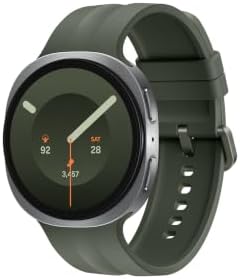
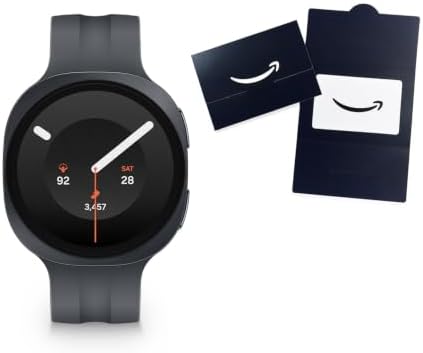
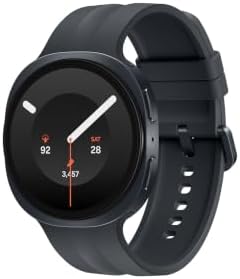
Samsung markets the Watch Ultra2 toward users pushing into extreme conditions, and that framing extends to training volume. Someone logging consecutive long sessions will lean on the larger battery less for convenience than for uninterrupted overnight recovery tracking, since a watch that dies mid-sleep records nothing. That assumption is written into the connectivity choices of the Samsung Galaxy Watch Ultra2 Titanium Gray 47mm LTE Smartwatch, a configuration that expects cellular independence from a phone.
Connectivity and Living Without a Phone
Cellular connectivity changes how a watch is used rather than how it looks. Messages, calls, music, and emergency contact all continue when the phone is left behind, which matters most for runners, swimmers, and anyone working in environments where a handset would be damaged or impractical. Both models offer connectivity options, but the Ultra2 leans into LTE as the expected configuration rather than an upgrade.
Bluetooth-only buyers give up that independence but gain battery headroom, since cellular radios are among the heaviest draws in a smartwatch. A Bluetooth Watch9 paired with a phone that is always nearby can stretch further per charge than its raw capacity suggests, which is a legitimate reason to choose the smaller model even for active users.
Choosing Between Discipline and Endurance
The Samsung brand's smartwatch lineup here is not a ladder where one model outranks the other. The Galaxy Watch Ultra2 concentrates battery capacity, display brightness, titanium construction, and rating headroom into one 47 mm proposition. The Galaxy Watch9 spreads its appeal across two sizes with a lighter body and a finish that disappears into everyday clothing.
Samsung frames these watches around health companionship on the wrist, and that framing is the clearest guide to the decision. A buyer whose week is a mix of meetings, short runs, and pool laps gets the most from the smaller, lighter case. A buyer whose week includes open water, altitude, or days away from a charger gets the most from the reinforced model. Both paths lead back to the same software, the same sensors, and the same Samsung health platform, which means neither choice locks anyone out of the ecosystem.
 Just Pick Your Favorite Stylish Watch online












Item Reviews