The Apple Watch Series 12 and Apple Watch SE 3 represent two distinct answers to the same question: how much smartwatch do you actually need? Apple positions the Series 12 as its full-featured flagship line, while the SE 3 carries the company's value proposition into the wearable category. Both run watchOS, both track workouts, and both keep the iPhone-connected experience intact, yet the gap between them is wider than the price tags suggest. This comparison examines the specifications, materials, health capabilities, battery expectations, and target audiences for each model, giving shoppers a clear framework for choosing between them.
| Feature & Selling Point |
Apple Watch Series 12 |
Apple Watch SE 3 |
| Case Sizes (Aluminum / Titanium) |
46mm height, 40mm width (ceramic: 47mm) |
44mm height, 38mm width |
| Display Resolution |
Higher-resolution Retina LTPO panel |
368 x 448 pixels, 977 sq mm area |
| Case Materials |
Aluminum, Titanium, Ceramic options |
Aluminum only |
| Glass Durability |
Sapphire crystal on premium variants |
Ion-X glass, 4x more crack resistant than SE 2 (per Apple) |
| Weight (GPS, aluminum) |
Varies by case size and material |
32.9 grams |
| Processor |
Latest-generation SiP with neural engine |
Current-generation SiP tuned for SE line |
| Health Sensors |
Full suite: ECG, blood oxygen, temperature, heart rate |
Heart rate monitor, sleep tracking, fitness tracking |
| Always-On Display |
Yes, with LTPO efficiency |
Yes |
| Water Resistance |
50m swim-proof, dive-rated on Ultra models |
Water resistant, swim tracking supported |
| Connectivity Options |
GPS and GPS + Cellular variants available |
GPS and GPS + Cellular variants available |
| Emergency Features |
Crash Detection, Fall Detection, Emergency SOS |
Crash Detection, Fall Detection, Emergency SOS |
| Charging |
Fast-charge capable magnetic charger |
Magnetic charger |
| Best Suited For |
Health-focused users, premium material seekers, cellular independence |
First-time smartwatch buyers, fitness beginners, budget-conscious shoppers |
| Key Selling Point |
Complete health sensor suite and premium build materials |
Core Apple Watch experience at accessible pricing |
| Positioning |
Flagship smartwatch line |
Entry-level Apple Watch line |
| Software Platform |
watchOS with full feature availability |
watchOS with core feature availability |
The table reveals a familiar pattern in Apple's lineup strategy. Both watches share the essentials that define the modern Apple Watch experience: crash detection, fall detection, emergency SOS, water resistance suitable for swimming, and access to the full watchOS app ecosystem. The divergence appears in three areas: health sensor depth, build material options, and the physical footprint of each case. The Series 12 gives buyers access to ECGs, blood oxygen monitoring, and temperature sensing, none of which appear on the SE 3 specification sheet. It also offers titanium and ceramic case variants that the SE 3 does not. The SE 3 counters with a lighter aluminum build at 32.9 grams for the GPS model and Ion-X glass that Apple states is four times more crack resistant than the previous generation SE. Understanding which of these differences matters for daily use is the crux of the buying decision.
Health Monitoring: Where the Series 12 Pulls Ahead
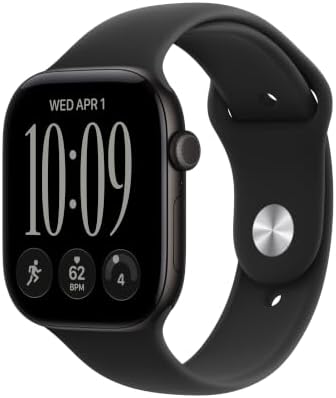
The most consequential difference between these two watches lies in their sensor arrays. The Apple Watch Series 12 GPS + 46mm Cellular carries the full complement of Apple's health monitoring technology: an electrical heart sensor for ECG readings, a blood oxygen sensor, a temperature sensor for cycle tracking and sleep insights, and the standard optical heart rate monitor. These sensors transform the device from a fitness tracker into something closer to a personal health screening tool.
The ECG function, in particular, has become one of the strongest selling points for users with cardiac concerns. It allows on-demand recordings that can be shared with physicians, a capability that no SE model has ever offered. Blood oxygen monitoring provides another layer, offering readings that feed into Apple's broader health analytics. Temperature sensing enables retrospective ovulation estimates and improved sleep tracking accuracy, features that appeal to users who treat their watch as a wellness companion rather than just a workout log. According to Apple, these sensors operate continuously in the background, feeding data into the Health app where trends become visible over weeks and months.
The SE 3 takes a different approach. It includes a heart rate monitor and supports sleep tracking, but it stops short of the clinical-grade sensors found on the Series 12 lineup. For many users, this distinction may never matter. A recreational runner tracking pace and heart rate zones will find the SE 3 entirely sufficient. But for anyone managing a health condition, monitoring recovery metrics, or simply wanting the most comprehensive data available from a wrist-worn device, the Series 12 is the more appropriate instrument. Apple has consistently used health sensor depth as the primary differentiator between its flagship and value lines, and this generation maintains that hierarchy.
Build Materials and Sizing: Choosing a Case That Fits
Physical dimensions tell a nuanced story. The Series 12 in aluminum or titanium measures 46mm tall by 40mm wide, while the ceramic variant steps up to 47mm in height. The SE 3 measures 44mm by 38mm, making it slightly more compact on the wrist. On paper, these differences seem minor, but in practice, the Series 12's larger case accommodates a brighter, higher-resolution display with more usable screen real estate. The LTPO panel on the Series 12 allows the display to drop to very low refresh rates when the always-on mode is active, preserving battery life while keeping information visible. The SE 3 also has an always-on display, a meaningful upgrade for the SE line, but its panel does not match the Series 12's peak brightness or efficiency characteristics.
Material selection is another divide. The Series 12 offers aluminum as the base option and extends upward to titanium and ceramic, each bringing distinct weight, finish, and durability characteristics. Titanium cases reduce weight relative to stainless steel while maintaining a premium feel. Ceramic offers a glossy, scratch-resistant surface that resists fading over time. Apple has always positioned the aluminum version as the accessible entry point and the premium materials as aspirational upgrades.
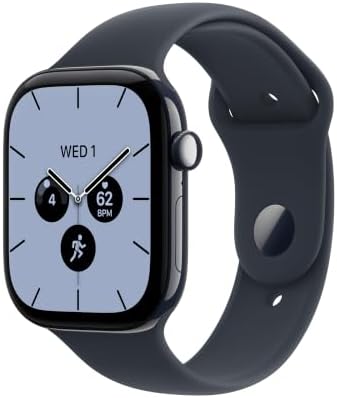
The SE 3 keeps things simpler with aluminum as the only case material, available in Midnight and other standard finishes. While this limits aesthetic choice, it also keeps weight down. At 32.9 grams for the GPS model, the SE 3 is one of the lighter Apple Watches made, a factor that matters for sleep tracking and extended wear comfort. For users who prioritize a lightweight feel, especially during overnight wear, the SE 3's aluminum-only approach is practical rather than restrictive. The Ion-X glass protecting the display has been upgraded to be four times more crack resistant than the SE 2, according to Apple's testing, which addresses one of the durability concerns associated with the previous generation.
Display area is another consideration. The SE 3's 977 square millimeter display is generous by smartwatch standards, and the 368 by 448 pixel resolution delivers sharp text and clear graphics. Side by side, the Series 12's larger case will show more content at once, whether that is a workout summary, a map, or a lengthy notification. The practical impact depends on how much information density the user prefers.
Battery, Charging, and Daily Wear Reality
Apple does not position either of these watches as multi-day battery champions. The standard usage expectation for both is roughly eighteen hours of mixed use, with the Series 12's fast-charging capability providing a partial top-up in a short window. The difference here is not in total runtime but in charging speed and the efficiency gains that come from the Series 12's more advanced display controller and processor. The LTPO display, in particular, contributes to battery savings during always-on mode because it can dramatically slow its refresh rate when the content on screen is static.
The SE 3 uses a standard magnetic charging cable and does not support the faster charging available on the Series 12. For users who charge overnight, this difference rarely matters. For those who prefer to charge during a morning routine or a lunch break, the Series 12's faster charging can make the difference between a topped-up battery and a half-depleted one. Both watches support the same charging architecture, but the power delivery differs.
In practice, the target audience for each watch will have different expectations. A first-time smartwatch buyer stepping up from a fitness band may find the SE 3's battery behavior perfectly manageable. A user who relies on cellular connectivity, GPS-heavy workouts, and extensive health sensor use will likely appreciate the Series 12's faster recharge time and slightly more efficient components. The question is not which watch lasts longer in absolute terms, because both are designed for daily charging, but which better fits the user's charging habits and demands.
Performance, Connectivity, and the WatchOS Experience
Both watches run the same watchOS platform, meaning core apps, notifications, Apple Pay, Siri interactions, and third-party fitness services function identically. The difference comes in how smoothly they handle demanding tasks. The Series 12's newer SiP includes a more capable neural engine, which accelerates on-device machine learning tasks such as speech recognition, gesture detection, and health data processing. The SE 3 uses a processor that Apple designs specifically for the SE line, balancing performance with cost. In everyday use, both feel responsive; the gap only appears under sustained load, such as running complex apps or processing workout data in real time.
Cellular connectivity is available on both models in the GPS + Cellular variants. A key decision point is whether to pay for the cellular modem and the associated monthly plan. For the Apple Watch SE 3 [GPS 40mm] Midnight Aluminum 40mm S/M GPS model, buying the GPS-only version keeps the upfront cost low and still delivers the full watchOS experience whenever the paired iPhone is nearby. The Series 12 GPS + Cellular variant adds the freedom to leave the phone behind, receive calls, send messages, and stream music over a cellular connection. For runners, cyclists, and anyone who prefers not to carry a phone, this is a meaningful upgrade.
The connectivity story extends beyond cellular. Both watches support Wi-Fi, Bluetooth, and NFC for Apple Pay. Neither has a difference in the networking standards they support, though the Series 12's newer chipset may handle Wi-Fi handoffs and Bluetooth reconnections with marginally better efficiency. In daily use, the connectivity experience is functionally equivalent for the vast majority of tasks.
Safety Features: Equal Coverage Across Both Models
One of Apple's strengths is that critical safety features remain consistent across price tiers. Crash Detection, which can automatically call emergency services after a severe car accident, is present on both the Series 12 and SE 3. So is Fall Detection, which activates when the watch senses a hard fall and the wearer does not respond within a specific time frame. Emergency SOS, international emergency calling, and the ability to share location with emergency contacts are available on both devices.
This parity is deliberate. Apple has stated that it wants safety functions available on every Apple Watch, not just the top-tier models. The practical outcome is that buyers choosing the SE 3 out of budget consideration are not required to sacrifice personal safety capabilities. Ride-share passengers, elderly users, solo exercisers, and parents who equip their children with a watch all get access to the same core safety toolkit, regardless of which model they choose. This consistency is arguably one of the most valuable aspects of the Apple Watch ecosystem and a strong argument for either model over non-Apple alternatives.
Where the Series 12 adds value in safety is its more precise sensor integration, which can improve the accuracy of some detection algorithms. Apple does not market these as distinct safety features, but the underlying hardware differences may enhance reliability in edge cases. For the average user, the safety features on both watches deliver the same peace of mind.
Price, Longevity, and the Ownership Equation
The SE line exists precisely to address the question of value. By stripping away the expensive sensor packages and the exotic case materials, Apple can offer an Apple Watch that retains the core experience at a significantly lower price point. The trade-off is clear: no ECG, no blood oxygen, no temperature sensing, fewer case material options, slower charging, and a slightly older processor architecture. For a large segment of buyers, none of these omissions affect daily satisfaction.
What both watches share is software longevity. Apple supports Apple Watch models with watchOS updates for years, meaning even the SE 3 will receive new features and security patches for the foreseeable future. The Series 12, with its more advanced hardware, naturally has a longer runway for future features that rely on sensor data or processing power. A buyer who plans to keep a smartwatch for four or more years may find the Series 12's hardware headroom more valuable over time. A buyer who upgrades every two years, or who simply wants the best-value entry into the ecosystem, will find the SE 3 more rational.
The ownership experience also includes accessories and band compatibility. Both watches use the same band attachment system, meaning any band purchased for one can be used with the other. This shared ecosystem reduces the cost of switching between models and allows buyers to invest in bands with confidence. The wrist sizes each model accommodates differ slightly due to case dimensions, so trying both on is advisable if possible.
Making the Decision: Fitness Journey Versus Daily Companion
The choice between the Apple Watch Series 12 and SE 3 ultimately comes down to the role the watch will play. If the primary use case is tracking workouts, monitoring basic heart rate, staying connected to notifications, and enjoying the Apple Watch experience without a premium price, the comparison lands firmly on the SE 3 side. It is a capable, lightweight, durable watch that covers the essentials and does so with the same software and safety features as the more expensive model. Its 32.9-gram weight makes it particularly comfortable for sleep tracking, and the improved Ion-X glass addresses durability worries for active users.
The Series 12 makes more sense for users who treat their watch as a health monitoring device. The ability to take an ECG, monitor blood oxygen levels, and track temperature changes over time creates a richer health profile that neither the SE 3 nor any previous SE model can match. The larger display and premium material options add a level of refinement that buyers seeking a more jewelry-like smartwatch will appreciate. For those who choose GPS + Cellular, the freedom from carrying a phone adds another layer of utility that transforms how the watch is used throughout the day.
Apple has effectively created two answers to two different questions. The SE 3 asks what is the least a user needs to spend to get the Apple Watch experience, and it answers clearly: not much, given how much capability Apple includes. The Series 12 asks what the Apple Watch can do when every sensor and material option is on the table. For shoppers weighing these questions, the specification differences map directly to daily use patterns. The right choice is the one that matches habits and health priorities rather than the one with the longer feature list. Both watches serve their owners well, just in different ways.
 Just Pick Your Favorite Stylish Watch online




















Item Reviews