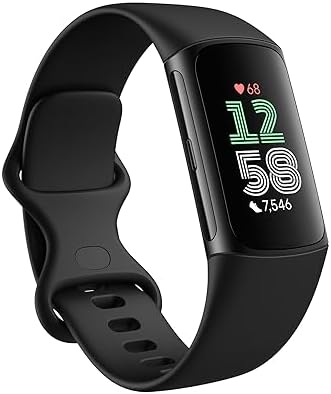
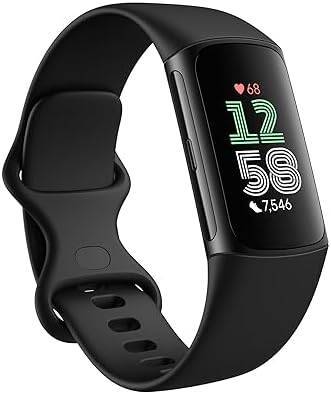
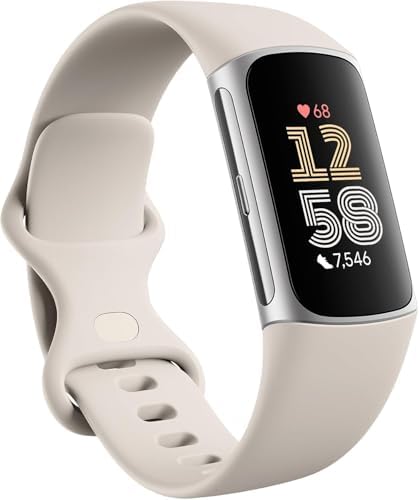
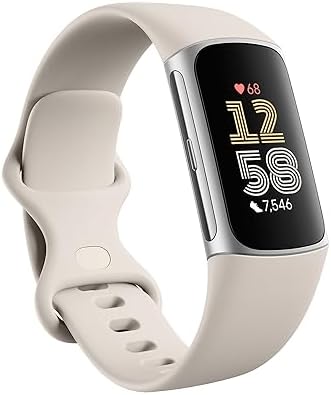
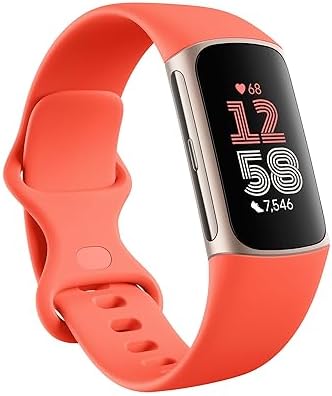
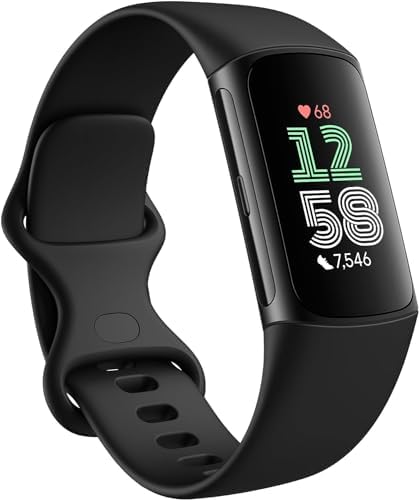
Two fitness trackers now anchor Google's wearable lineup, and they appeal to very different instincts. The Google Fitbit Charge 6 - Fitness Black packs a colour AMOLED display, continuous heart rate monitoring, built-in GPS and on-wrist workout controls into a compact band, while the Google Fitbit Air takes a deliberately screen-light approach centred on recovery metrics and Google Health integration. For anyone deciding between them, the real question is not which one is newer. It is how much information you genuinely want to glance at during the day, how often you train outdoors without a phone, and where your health data ultimately lives.
This guide treats both trackers as legitimate alternatives rather than a simple hierarchy. It is written for shoppers who want a clear answer to one question: should the Charge 6 be the default pick, or does the Air's quieter philosophy suit a recovery-first routine? The comparison table below lays out the decision criteria first, followed by a section-by-section breakdown of how those criteria play out in daily use.
| Feature & Selling Point |
Fitbit Charge 6 |
Google Fitbit Air |
| Display Type |
Colour AMOLED touchscreen |
Minimal on-device screen interaction |
| Built-in GPS |
Yes, for phone-free outdoor runs |
Not a runner-first GPS build |
| Heart Rate Sensor |
Continuous optical with live training zones |
Continuous optical for wellness trends |
| Water Resistance |
Rated for swimming and showering |
Rated for everyday wear and sweat |
| Exercise Modes |
40-plus modes with on-screen coaching |
Automatic activity recognition, lighter manual input |
| Stress Management |
Guided breathing and stress tracking tools |
Recovery and readiness signals after rest |
| Sleep Tracking |
Light, deep and REM stage breakdown |
Sleep depth and heart rate variability trends |
| App Ecosystem |
Google Health with Gemini-assisted coaching |
Google Health with Gemini-assisted coaching |
| Band Compatibility |
Interchangeable elastomer and woven bands |
Interchangeable bands, including performance loops |
| Battery Life |
Multi-day battery with GPS and display use |
Battery governed by constant background sensing |
| Best Suited To |
Runners, gym-goers and step-count chasers |
Recovery-minded users who dislike screen time |
| Key Selling Point |
Live workout control without a phone |
Low-attention wellness tracking for long-term trends |
Read across the table and two rows decide most purchases. The Charge 6 wins on immediacy: built-in GPS lets you leave the phone at home, and the colour AMOLED display makes pace, heart rate and timers readable mid-effort. The Air counters on cumulative data, where its value shows up in recovery patterns and readiness signals over weeks rather than seconds. Everything else, from water resistance to Google Health integration, is close enough that battery tolerance and training style become the tiebreakers.
The Case for the Charge 6: Live Data You Can Act On Mid-Session
The Fitbit Charge 6 was built around the moment of exercise itself. Continuous optical heart rate tracking feeds live training zones, so the screen can tell you whether you are holding an easy pace or drifting into threshold territory. That feedback loop is the product's defining feature, and it only works because the display stays readable in daylight and responds to wrist raises within a fraction of a second.
Built-in GPS completes the picture. Runners can step out without a paired phone and still log route, distance and pace with the tracker doing all the heavy lifting. The result is a lighter kit overall, with no armband, no pocketed handset, and no interrupted session if the phone loses signal mid-run. Water resistance extends the same confidence to pool sessions, where stroke counting and heart rate can be followed without protective casing or second thoughts.
The sensor array also does useful work outside workouts. Stress management tools track variability overnight, guided breathing exercises run through on-screen prompts, and the sleep breakdown scores light, deep and REM stages in the morning. None of this is unique to the Charge 6, but the fact that all of it is viewable on a wrist is the differentiator. There is no need to reach for a phone to check last night's rest or the current step count.
Where the Google Fitbit Air Watches More and Asks for Less
The Google Fitbit Air takes the quietest possible position in the category. Instead of asking for attention during a workout, it gathers data continuously and lets the Google Health app do the interpreting later. For people who dislike glancing at a wrist during exercise, or who already wear a mechanical watch and want a secondary tracker hidden underneath, that restraint is precisely the point.
Recovery metrics are the core use case here. Rather than nudging you to open a workout screen, the Air leans on heart rate variability, resting heart rate and sleep depth to suggest whether a hard session or an easy day is the smarter choice. The signals arrive as trends rather than instant feedback. Users who respond better to weekly patterns than live pace dashboards will find the Air's approach easier to sustain.
Google Health ties both trackers to the same account structure. With Gemini-assisted coaching now running inside the app, sleep scores, step counts and cardio fitness estimates get translated into plain-language summaries and recommendations. The difference is which raw signals do the input work. The Air trades workout-screen immediacy for around-the-clock background sensing, which is why its biometric footprint can actually be denser outside of exercise sessions.
Choosing Between the Two: A Decision Framework
Buy the Charge 6 if you train outdoors unsupervised, follow structured interval or endurance sessions, or simply prefer seeing numbers as they happen. The screen is not a compromise to tolerate, it is a functional tool that removes the phone from most workouts entirely. Swimmers, runners and gym-goers who want a single device for guided exercise tend to end up here, and the broader Charge 6 lineup keeps the same sensor philosophy across its band options.
Buy the Google Fitbit Air if your priority is recovery rather than performance, or if on-wrist screens feel intrusive during activity. The Air is geared toward users building long-term wellness awareness, tracking baseline heart rate, sleep quality and readiness across months while letting the app surface what matters. It is also the calmer option for anyone who already tracks habits in Google Health and does not want a second, nagging interface on the wrist.
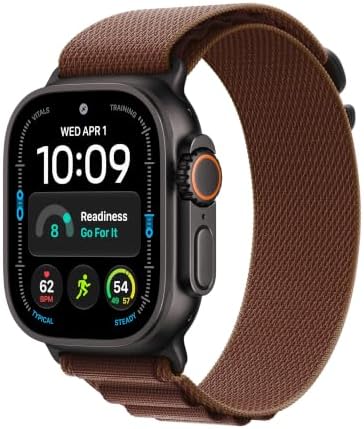
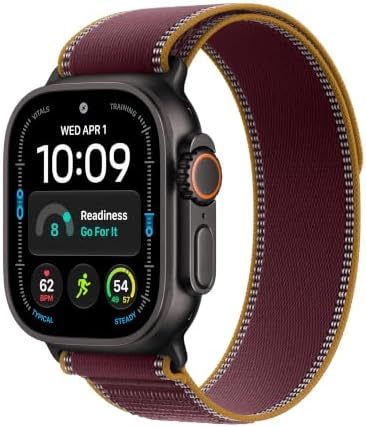
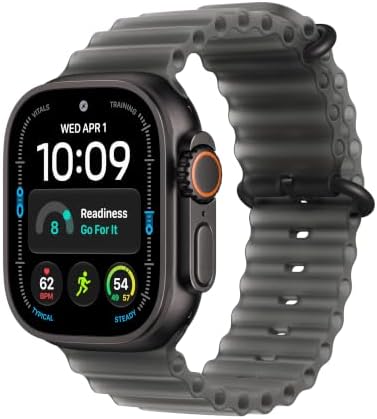
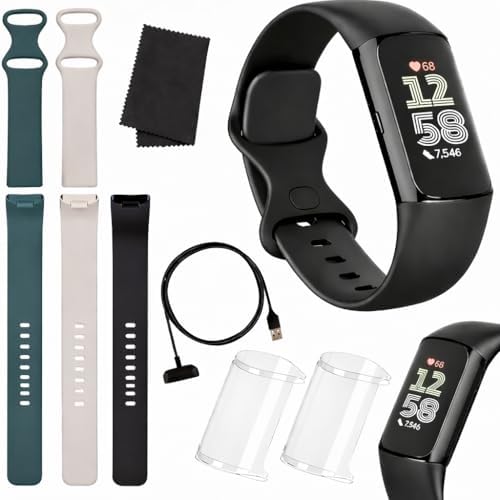
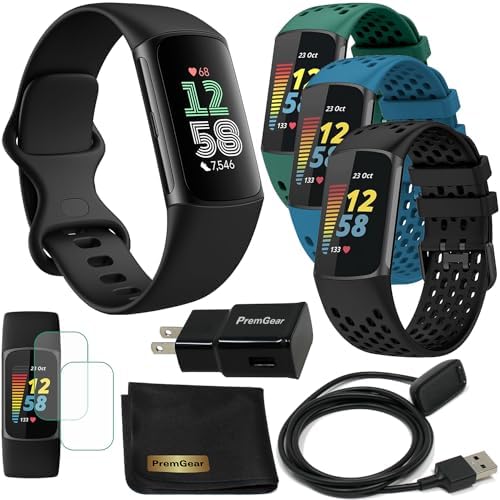
Band choice slightly widens the gap. The Charge 6 ships in the familiar swappable strap ecosystem, and cost-conscious buyers often lean toward a practical everyday material by default. For the Google Fitbit Air, the Google Fitbit Air Performance Loop Band uses polyester, nylon and elastane yarns, micro-adjustable for wrist swelling during heavy sessions and explicitly built for training days. Band material will matter more for daily comfort than most spec sheet reading suggests.
Long-term ownership costs colour the final picture. Both trackers lean on Google Health, where premium features layer in additional insights beyond the base tier. Some Charge 6 units ship with a several-month premium trial included, which effectively lowers the entry price for the first year. Data storage and cross-device syncing remain consistent once the account is set up, so the real recurring cost sits with whichever subscription tier you choose after any trial ends.
The decision comes down to attention budget. The Charge 6 asks for a little of your attention every workout and returns immediate, actionable numbers. The Google Fitbit Air asks for almost none and returns meaning over time. Both are legitimate tools for the same goal of understanding your body better, and the right one is whichever you will still be glancing at in six months.
 Just Pick Your Favorite Stylish Watch online












Item Reviews