Apple Watch Ultra 4 GPS + 49mm Cellular arrives with a new Health Sensing System and the S11 chip, while the Apple Watch Ultra 3 remains on sale as a proven multisport tool with satellite communications and 40 m recreational dive support. Both share the 49 mm titanium footprint and the GPS + Cellular configuration that defines Apple's rugged line, so the decision comes down to which generation better matches how the wearer trains, dives, and travels. This guide compares them across the specifications that actually change a purchase decision, and it is built to be kept as a reference for anyone choosing between the two. Apple keeps its rugged tier narrow enough that a clear winner emerges for each type of buyer.
| Feature & Selling Point |
Apple Watch Ultra 4 |
Apple Watch Ultra 3 |
| Processor |
S11 chip |
S10-class chip |
| Health Sensing System |
New generation, most accurate heart rate sensing in a wearable |
Previous generation sensor stack |
| Case Size |
49 mm |
49 mm |
| Case Material |
Rugged titanium |
Rugged titanium |
| Water Resistance |
Diving-rated; EN13319 compliant |
EN13319 compliant |
| Recreational Dive Depth |
40 m |
40 m |
| Battery Life (GPS Mode) |
Extended over prior generation, per Apple |
Multi-day, per Apple |
| Satellite Communications |
Supported |
Supported |
| Cellular Connectivity |
GPS + Cellular |
GPS + Cellular |
| Siri and Audio Intelligence |
On-device Siri with audio intelligence |
Standard Siri integration |
| Running Focus |
Positioned by Apple as an ultimate running watch |
Multisport running and trail |
| Siren and Emergency Features |
Siren / speaker, customizable Action button |
Siren / speaker, Action button |
| Best Suited For |
Buyers who want the latest sensing and chip |
Buyers who want proven Ultra capability at lower outlay |
| Value Position |
Flagship pricing, newest hardware |
Stronger value as the previous flagship |
The table surfaces three decisive splits: the S11 chip and new Health Sensing System belong only to the Ultra 4, the physical diving and titanium specifications are effectively shared, and the Ultra 3 now carries the value argument as a former flagship. Everything below explains which of those differences should tip a purchase.
What the S11 Chip and New Health Sensing System Change
Apple's newsroom announcement describes the Ultra 4 as delivering the most accurate heart rate sensing in a wearable, a claim tied to the redesigned Health Sensing System rather than to software alone. That distinction matters during interval training, cold-weather runs, and swim sets, where optical heart rate sensors historically struggle with motion artifacts and poor skin contact. A sensing stack rebuilt at the hardware level can hold signal lock through rapid wrist movement, which in turn feeds cleaner data into training load, recovery, and heart rate zone calculations.
The S11 chip underpins that work. Faster silicon lets the watch process sensor fusion, GPS positioning, and on-device Siri requests without the lag that appears when a wearable is asked to do too much at once. For anyone whose training decisions depend on real-time pace, heart rate, and elevation, the Ultra 4's combination of a newer chip and a newer sensing array is the single strongest argument for upgrading from an Ultra 3. The rugged titanium case remains unchanged, so the gains live entirely in electronics rather than in the housing.
Durability, Diving, and the Shared Titanium Platform
Apple's support documentation states that the Apple Watch Ultra 3 supports recreational scuba diving to 40 m, and both generations carry EN13319 compliance for dive computer use. Apple separately notes that the Apple Watch Series 11 supports snorkeling to 6 m, which frames the Ultra tier as the only Apple option built for actual depth. Since the Ultra 4 retains the 49 mm rugged titanium case and the same diving specification, an existing Ultra 3 owner gains nothing in water capability by moving up a generation.
That shared platform extends to the physical abuse the Ultra line is designed to absorb. Titanium resists corrosion and dents while staying light enough for multi-hour wear, and the raised case geometry protects the crystal and the flat sapphire face against rock contact on trail descents. Buyers who need a watch that survives saltwater, granite, and impact should treat the two models as equals here, which pushes the comparison back toward electronics rather than engineering.
Battery Life and the Practical Reality of Multi-Day Use
Apple positions the Ultra tier around extended runtime, and the Ultra 4 page frames the watch as offering longer battery life alongside its health and fitness tracking. The exact hour figures vary by GPS mode, cellular usage, and always-on display settings, so the honest comparison is one of direction rather than absolutes: the newer generation is engineered to stretch further under the same conditions, and the previous generation remains capable of multi-day use with disciplined settings.
For a runner logging long weekend efforts or a hiker on an overnight route, the meaningful question is whether the watch survives the full activity plus the recovery window without a charger. Apple's Ultra models are designed to do that, and satellite communications on both generations add a safety layer when the route leaves cellular coverage. Choosing between the Ultra 4 and Ultra 3 on battery alone rarely produces a dramatic outcome; pair it with the sensing upgrade and the Ultra 4's case strengthens.
Running, Multisport, and How Each Generation Is Positioned
Apple markets the Ultra 4 as an ultimate running watch, with Siri intelligence and audio features folded into the training experience. Voice interaction on a run becomes genuinely useful when the user can request splits, start a workout, or queue audio without breaking stride or fishing for a screen. Whether that matters depends on how much a runner wants to interact with the watch mid-session rather than after it.
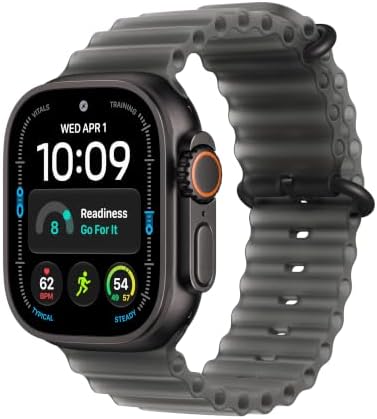
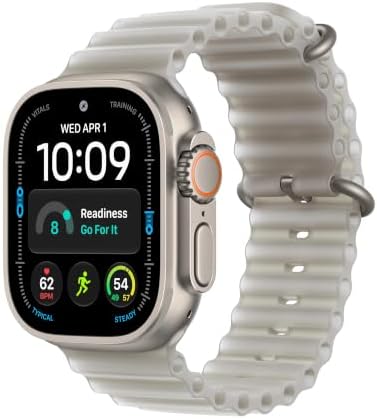
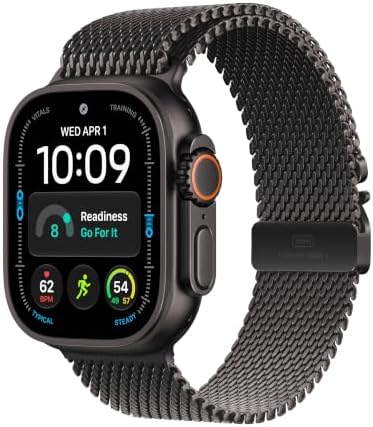
The Ultra 3 was built for multisport use in the widest sense, including running and trail work, with satellite communications and advanced fitness tracking documented by Apple. Triathletes and adventure racers who move between pool, bike, and trail get the same rugged chassis and the same cellular and satellite fallback. Apple Watch Ultra 3 GPS + Titanium Black Ocean 49mm remains a complete multisport solution rather than a compromised one, which is exactly why it stays in the conversation.
Which Buyer Should Choose Which Ultra
Three profiles make the decision straightforward. The first is the data-driven athlete who trains by heart rate zones and wants the cleanest possible signal: the Ultra 4's Health Sensing System and S11 chip justify the flagship price for this group. The second is the diver or watersports user who cares about 40 m recreational scuba support and EN13319 compliance: both watches deliver, so cost and condition should decide. The third is the buyer upgrading from an older Apple Watch or entering the Ultra line for the first time: the previous generation offers the titanium case, satellite communications, and cellular freedom at a more accessible price point.
For anyone weighing an Ultra 4 purchase, the honest criteria are these: If heart rate fidelity during hard intervals is a priority, choose the newer model. If satellite messaging, 49 mm titanium, and diving capability define the use case, the Ultra 3 covers the same ground. If budget governs, the previous flagship is the rational pick. Matching the watch to the training instead of chasing the newest number produces the better long-term purchase.
Apple's Ultra line has settled into a pattern of meaningful but narrow generational gains, and the Ultra 4 versus Ultra 3 comparison reflects that maturity. The rugged titanium housing, diving certification, and satellite safety features have become the shared foundation of the family, while each new release pushes the sensing and silicon frontier forward. Buyers who recognize which layer of that equation they actually rely on will end up with the watch they keep for years.
 Just Pick Your Favorite Stylish Watch online












Item Reviews