The Samsung Galaxy Watch8 and the Garmin Vivoactive 6 sit at opposite ends of the modern smartwatch spectrum. One wraps a refined cushion-shaped case around Wear OS and the deepest Samsung Health suite to date. The other strips the formula back to lightweight training tools, multi-band GPS, and a battery that stretches past a working week. This guide is built so readers can weigh those two philosophies side by side and walk away knowing exactly which watch belongs on their wrist.
| Feature and Selling Point |
Samsung Galaxy Watch8 |
Garmin Vivoactive 6 |
| Operating System |
Wear OS with One UI Watch |
Garmin proprietary OS |
| Display Type |
Super AMOLED, sapphire crystal option |
AMOLED, always-on capable |
| Case Sizes Available |
40mm and 44mm |
42mm |
| Smartwatch Battery Life |
Roughly 1-2 days typical use |
Up to 11 days, 5 days always-on |
| GPS Capability |
Dual-band GPS on LTE and select models |
Multi-band GNSS with SatIQ |
| Preloaded Sport Profiles |
Dozens via Samsung Health |
Over 80 apps |
| Health Sensors |
BioActive sensor, ECG, BIA body composition |
Elevate Gen 5 heart rate, Pulse Ox, sleep |
| Sleep Tracking Depth |
Sleep Coaching with AI insights |
Sleep Score with advanced stages |
| Payment and NFC |
Samsung Wallet, Google Wallet |
Garmin Pay on supported banks |
| App Ecosystem Breadth |
Google Play direct installs |
Garmin Connect IQ store |
| Water Resistance |
5 ATM plus IP68 |
5 ATM |
| Charging Method |
Wireless charging, fast charge support |
Proprietary charging cable |
| Phone Compatibility |
Best with Samsung Galaxy phones, Android |
Android and iOS |
| Target User |
Samsung ecosystem users wanting smart features |
Runners and athletes prioritizing battery |
| Key Selling Point |
Cushion design and deep Samsung Health |
11-day battery and multisport GPS |
The sharpest divergence sits in battery endurance and training focus. Garmin's up to 11 days in smartwatch mode and over 80 preloaded sport apps make it a natural choice for runners, cyclists, and hikers who leave the charger at home. Samsung counters with a richer app store, tighter phone integration, and a health suite that includes body composition analysis, which Garmin's Vivoactive line does not offer. Buyers who value sleep coaching and smartphone-style convenience tend to favor the Galaxy Watch8; buyers who log serious mileage lean toward the Vivoactive 6.
Design Language and Wrist Presence
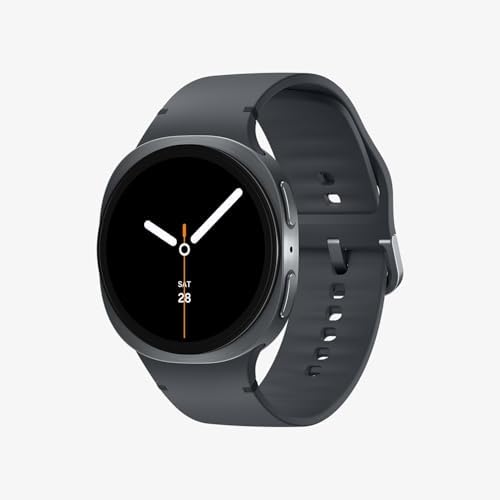
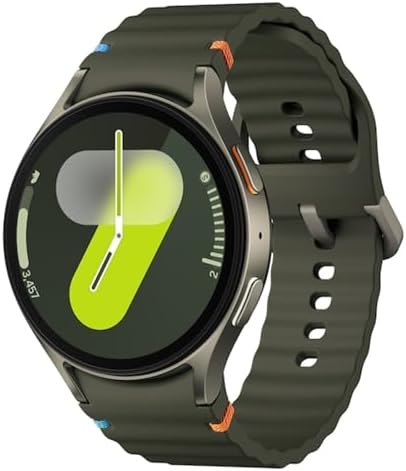
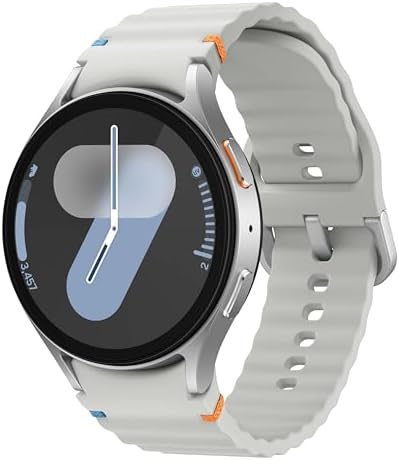
Samsung redesigned the Galaxy Watch8 around what it calls a cushion shape, softening the case edges so the watch sits flatter against the wrist than earlier generations. The 40mm variant weighs noticeably less than the 44mm option, making it the better pick for smaller wrists. A sapphire crystal option adds scratch resistance for users who work with their hands.
Garmin takes a different route. The Garmin vívoactive 6 Health and Fitness Gold GPS leans on a lightweight polymer case that keeps the 42mm watch comfortable for all-day wear and overnight sleep tracking. The AMOLED panel is bright enough for direct sunlight, and the fiber-reinforced polymer build resists sweat and abrasion during long sessions. Neither watch chases luxury materials, but each optimizes for its audience: Samsung for the polished daily companion, Garmin for the training tool that disappears on the wrist.
Health and Fitness Tracking Compared
Sensor Suite and Body Composition
Samsung equips the Galaxy Watch8 with its BioActive sensor, capable of ECG readings and bioelectrical impedance analysis for body composition. That data feeds directly into Samsung Health, which combines sleep, activity, and stress readings into a single energy score. The result is a holistic dashboard for users who want one number summarizing readiness.
Garmin's Vivoactive 6 carries the Elevate Gen 5 optical heart rate sensor, pulse oximetry, and detailed sleep stage tracking. Body composition is absent, but Garmin compensates with training-focused metrics: recovery time, training load, and body battery energy monitoring. According to Garmin, the sensor stack is designed to support the over 80 sport apps preloaded on the device.
Accuracy and Real-World Reliability
For steady-state workouts in clear conditions, both watches hold pace and heart rate with reasonable consistency. Where Garmin pulls ahead is GNSS handling: multi-band positioning with SatIQ technology dynamically adjusts satellite usage to preserve battery, a feature borrowed from its higher-end Forerunner and Fenix lines. Samsung's dual-band GPS on select Galaxy Watch8 models improves urban tracking but draws more power. Runners who train in dense city centers or forested trails will notice the difference over long sessions.
Battery Life, Charging, and Daily Practicality
Battery is the deciding factor for many shoppers. The Vivoactive 6 lasts up to 11 days in smartwatch mode and around 21 hours in GPS-only mode, according to Garmin's official comparisons. The Galaxy Watch8, by contrast, typically needs a charge every one to two days when always-on display and health tracking are active. This gap matters most for travelers, campers, and anyone who dislikes nightly charging rituals.
Smartwatch owners who prioritize app variety may find the Galaxy Watch8's charging cadence acceptable. Users who want to track workouts on multi-day trips or bring the watch on a backcountry hike will likely find the Vivoactive 6's longevity more liberating.
Software, Ecosystem, and Smart Features
The Galaxy Watch8 runs Wear OS under Samsung's One UI Watch layer. Google Play is available for direct app installs, which means Spotify, Google Maps, and third-party fitness tools are all accessible without workarounds. Deeper integration with Galaxy phones unlocks features like camera control, Samsung Wallet payments, and call handling. Android users outside the Samsung ecosystem still get most of the experience, but a handful of features are reserved for Galaxy phones.
Garmin's operating system is closed and sports-centric, though it now supports music storage, contactless payments via Garmin Pay, and smartphone notifications. The trade-off is fewer lifestyle apps and no third-party app store parity. For users who mainly want workout metrics on their wrist and phone-based review afterward, Garmin's approach is efficient. For users who want a mini smartphone on their wrist, Samsung's approach is more direct.
Data flow differs as well. Garmin Connect can sync activities to services like Strava and, with third-party tools, to platforms such as Google Fit and Samsung Health, though cross-syncing is not seamless out of the box. Samsung Health integrates cleanly with the Galaxy ecosystem, so cross-device consistency is generally simpler for Galaxy phone owners.
Who Should Buy Which Watch
The Samsung Galaxy Watch 8 (2025) 40mm Graphite Bluetooth is the better fit for shoppers who already use a Galaxy phone, want a broad app store, and are drawn to health features such as body composition and sleep coaching. Its cushion case and sapphire crystal option add a polished, everyday-appropriate look that pairs well with business and casual outfits alike.
The Vivoactive 6 suits a different buyer entirely: the runner who values battery, the hiker who spends weekends off-grid, or the Android and iOS user who wants cross-platform freedom without losing core tracking quality. It is a sports-first watch with enough smart features to handle notifications and payments, but it never pretends to be a smartphone substitute.
It is worth noting that the broader Galaxy Watch8 lineup in both Bluetooth and cellular configurations gives buyers room to scale up with screen size and connectivity, while the Samsung brand's broader ecosystem keeps cross-device features tight for Galaxy phone owners. On the other side, The Garmin brand's focus on endurance and outdoor reliability has shaped a device family that treats battery life as a design constraint rather than an afterthought.
Choosing between the two ultimately comes down to a single question: does the buyer want a smartwatch that feels like a wrist-mounted phone, or a training partner that stretches battery life across a working week? Answer that honestly, and the right model becomes obvious. Those leaning toward the Garmin path can explore the Vivoactive 6 series to see how the line scales across colorways and band options before committing.
 Just Pick Your Favorite Stylish Watch online













Item Reviews