The Google Pixel Watch 2 and the Garmin Vivoactive 5 approach the modern smartwatch from two very different directions, and the choice between them comes down to what a buyer values most: deep phone integration or long-lasting fitness tracking. The Pixel Watch 2 leans on the Google brand's software ecosystem and a polished round design, while the Vivoactive 5 prioritizes battery endurance, a lighter build, and a broader set of health and training metrics. This guide breaks down the real trade-offs so the decision becomes clear rather than overwhelming.
| Feature & Selling Point |
Google Pixel Watch 2 |
Garmin Vivoactive 5 |
| Case Size & Weight |
41mm, ~31g aluminum |
42mm, ~26g aluminum |
| Display Type |
AMOLED, always-on |
AMOLED, optional always-on |
| Typical Battery Life |
~24 hours (AOD on) |
Up to 11 days |
| GPS Battery |
~5 hours |
Up to 21 hours |
| Operating System |
Wear OS 4 |
Garmin OS (proprietary) |
| Third-Party Apps |
Full Google Play store |
Limited Connect IQ store |
| Health Sensors |
Heart rate, SpO2, EDA, skin temp |
Heart rate, SpO2, Body Battery, sleep score |
| Training Metrics |
Basic (Fitbit integration) |
Advanced (VO2 max, HR zones, Garmin Coach) |
| Sleep Tracking |
Fitbit sleep stages & score |
Sleep score + nap detection |
| Water Resistance |
5 ATM (50m) |
5 ATM (50m) |
| Contactless Payment |
Google Wallet |
Garmin Pay |
| Voice Assistant |
Google Assistant built-in |
None (phone mic required) |
| Safety Features |
Fall detection, Emergency SOS |
Incident detection (during activities) |
| Charging Method |
Magnetic pogo pin |
Proprietary clip |
| Best For |
Android-centric daily life |
Multi-day fitness tracking |
The table makes the central trade-off obvious: the Pixel Watch 2 wins on software depth, voice control, and safety features, while the Vivoactive 5 wins on battery life, training tools, and overall value for active users. Buyers who want a smartwatch that feels like a wrist-bound phone will gravitate toward Google's model; those who want a device they can wear for a week without reaching for a charger will prefer the longer-lasting option.
Battery Life: A Week Versus a Day
The single biggest differentiator between these two smartwatches is endurance. Garmin lists the Garmin Vivoactive 5 as offering up to 11 days in smartwatch mode, with up to 21 hours in GPS-only tracking. That means a user can wear it through a full work week, track several outdoor runs, and still have charge remaining on the weekend.
The Pixel Watch 2 works on a fundamentally different rhythm. Its always-on AMOLED display, continuous heart-rate monitoring, and full Wear OS background activity draw power quickly, producing roughly a day of use per charge and around five hours of active GPS tracking. For someone who is already in the habit of charging a phone every night, this is familiar, but it rules out sleep tracking on nights when the watch is on the charger. Fitness-first users who want overnight recovery data without juggling charge schedules will find the longer runtime far more practical.
Software Ecosystem and Daily Usability
Wear OS 4 transforms the Pixel Watch 2 into a genuine extension of an Android phone. Notifications arrive in full, Google Assistant responds to voice commands, Google Wallet handles contactless payments, and the Google Play store opens the door to third-party apps like Spotify, Strava, and Google Maps. This breadth of integration is what sets it apart from watches running proprietary operating systems.
Its safety architecture is equally notable. Fall detection, Emergency SOS, and Safety Check are built into the platform, features designed for people who want a discreet emergency line on their wrist. For those who live inside Google's ecosystem, the Google Pixel Watch 2 brings that environment together and presents a refined case finish that looks appropriate in both the office and the gym.
Garmin's Connect IQ platform is narrower by comparison. It covers the essentials, including Garmin Pay and a curated library of watch faces and data fields, but it cannot match the app depth of Wear OS. What it lacks in breadth, it compensates for with cohesiveness: the on-watch interface is tailored to training and health data, with fast access to Body Battery, stress levels, and activity shortcuts. Users who treat the watch primarily as a fitness device rather than a phone companion tend to find this focused approach more efficient.
Design, Weight, and Wearability
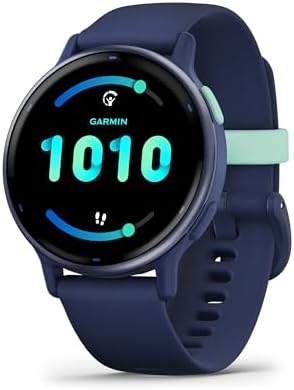
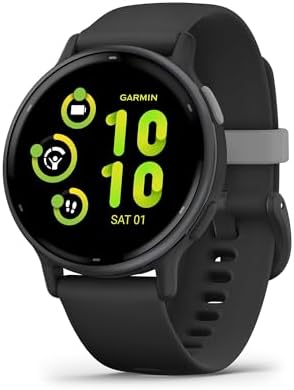
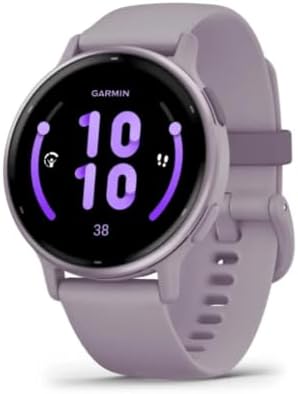
Both watches adopt a round form, but the details diverge. The Pixel Watch 2 uses a domed glass face over a 41mm aluminum case and carries the distinctive pebble-like silhouette that Google has become known for. The Vivoactive 5 uses a 42mm aluminum case with a slightly flatter profile, and at roughly 26 grams it sits among the lighter GPS smartwatches available. That low weight becomes relevant during long runs and overnight wear, where every gram counts.
Both devices carry a 5 ATM rating, meaning they tolerate swimming and shallow water activity, but neither is built for diving. The similarity here means the water resistance rating rarely becomes the deciding factor; instead, buyers should focus on screen protectiveness, band compatibility, and how the case sits on their wrist size. The Vivoactive 5's lighter body tends to suit users who prefer to forget they are wearing a device, while the Pixel Watch 2 opts for a more jewelry-like presence.
Health and Training Metrics: Depth Versus Convenience
Garmin has spent years refining its health analytics, and the Vivoactive 5 benefits directly from that lineage. Body Battery estimates energy reserves throughout the day, sleep scoring breaks down sleep stages and assigns a recovery value, and Garmin Coach offers guided training plans for running and cycling. VO2 max estimates, heart-rate zone tracking, and recovery guidance round out a toolkit designed for people who train with structure.
The Pixel Watch 2 counters with Fitbit's health platform. It tracks heart rate, blood oxygen, skin temperature, and electrodermal activity, and routes everything through the Fitbit app for a clean, consumer-friendly summary. Daily Readiness scores and stress management tools are accessible even to users who do not follow a training plan. The difference is philosophical: Garmin assumes the wearer wants data to act on, while Fitbit assumes the wearer wants data explained. the Garmin brand's approach is more demanding; Google's is more interpretive. Neither is objectively superior, but each suits a different kind of user.
Who Should Buy Which Watch
Buyers whose lives are anchored to an Android phone, who rely on Google Assistant and notifications throughout the day, and who want safety features like fall detection will get more from the Pixel Watch 2. It behaves less like a fitness gadget and more like a small companion device with health tracking built in. The trade-off is nightly charging and a shorter activity tracking window.
Buyers who prioritize battery endurance, structured training support, and lightweight comfort should lean toward the Vivoactive 5. It requires far less charging, tracks more activity types in more detail, and remains unobtrusive during sleep. The trade-off is a smaller app ecosystem and the absence of a built-in voice assistant.
Both watches are strong choices in the mid-range smartwatch market, and neither is a compromise pick in the hands of the right owner. The deciding factor is not the spec sheet but the daily routine: a charger by the bed or a week of worry-free wear. Matching the watch to that routine is what turns either device from a purchase into a genuinely useful daily tool.
 Just Pick Your Favorite Stylish Watch online















Item Reviews