Two titanium multisport watches sit at the center of this comparison: the Apple Watch Ultra 3 with its 49mm rugged case and satellite communications, and the Garmin Forerunner 970 with its carbon gray DLC titanium bezel and endurance-focused training suite. Both target athletes who demand serious capability from their wrist gear, yet they approach the multisport category from opposite directions. One extends a connected smartwatch ecosystem into rugged territory, while the other refines a dedicated running instrument with multi-day battery architecture. This guide exists to help buyers choose between them with confidence, and the comparison table below captures the decision factors that matter most.
| Decision Factor |
Apple Watch Ultra 3 |
Garmin Forerunner 970 |
| Case Material |
Rugged titanium with raised bezel |
Carbon gray DLC titanium |
| Display Type |
LTPO OLED, high brightness |
AMOLED, adaptive brightness |
| Smartwatch Battery Life |
Multi-day between charges |
Up to several days longer |
| GPS Battery Endurance |
Extended multi-hour tracking |
Ultra-endurance multi-day modes |
| Satellite Navigation |
Multi-band GPS with satellite communications |
Multi-band GNSS with Garmin software suite |
| Mapping Support |
On-device maps with turn guidance |
Detailed topographic and course maps |
| Training Load Analysis |
Activity rings and workout metrics |
Training readiness, load balance, race predictor |
| Recovery Guidance |
Sleep and readiness indicators |
Recovery time and HRV-based advice |
| Health Sensors |
ECG, temperature, blood oxygen, heart rate |
Optical heart rate, pulse ox, HRV, sleep |
| Water Rating |
Dive-ready, recreational scuba depth |
Swim and 10 ATM-rated for water sports |
| Emergency Features |
Satellite SOS, fall and crash detection |
Incident detection, live tracking via phone |
| Smart Features |
Apps, messaging, LTE, contactless payments |
Notifications and music controls |
| Charging Method |
Magnetic fast charging |
Proprietary charging cable |
| Best Suited For |
Connected training plus everyday smartwatch use |
Endurance athletes and data-driven runners |
| Ownership Consideration |
Best value inside the Apple ecosystem |
Best value for training-focused buyers |
| Key Selling Point |
Rugged build with deep iPhone integration |
Multi-day GPS endurance with advanced metrics |
The table reveals one central trade-off: the Apple model wins on smartwatch functionality and emergency connectivity, while the Forerunner 970 suits buyers who prioritize battery endurance and analytics. Both track heart rate and GPS, but they diverge sharply once a session extends beyond a few hours or a training plan needs structured review.
Design and Wrist Presence
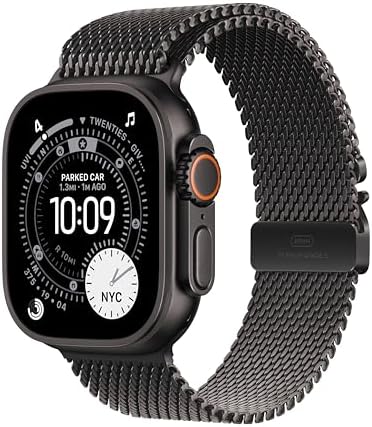
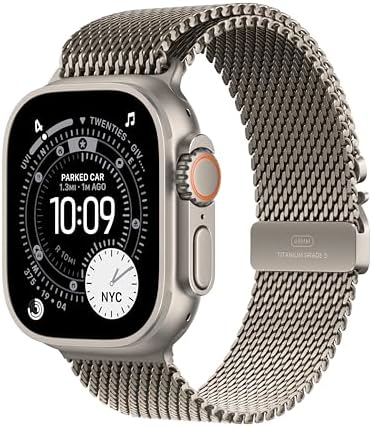
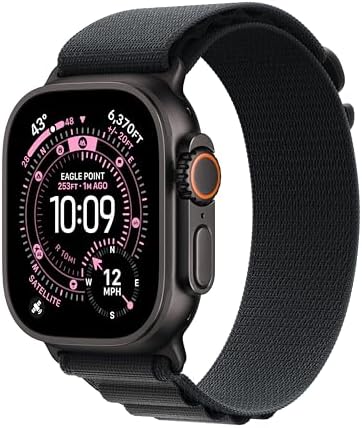
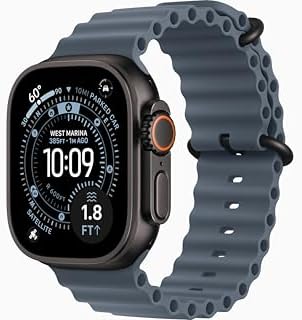
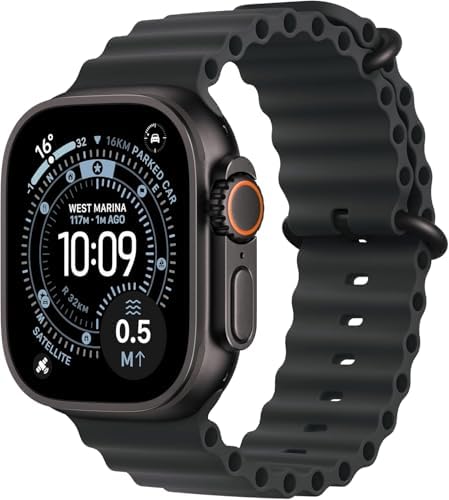
The Apple Watch Ultra 3 uses a 49mm titanium case with a raised edge that protects the flat sapphire display and provides a clear tactile reference for gloves and wet fingers. The package is deliberate: a titanium shell paired with an ocean-ready band, designed around a diving and trail-ready brief. Wearing it as a daily watch creates a wider footprint than many traditional training watches, though the titanium keeps weight manageable for its size.
Garmin's approach with the Forerunner 970 is more restrained. A carbon gray diamond-like carbon coating over titanium gives the bezel scratch resistance without the chunky profile, and the 47mm-class case is designed around running dynamics rather than a raised dive bezel. For runners who dislike protruding crowns and look for a lower, flatter profile against the wrist, this shape has an advantage during repetitive forearm motion.
Battery Architecture and the Real Cost of GPS
Battery life is the clearest dividing line between these two watches. Apple positions the Ultra 3 around multi-day use and faster charging through a magnetic puck, while Garmin states that the Forerunner 970 is engineered for multi-day GPS sessions including ultra-distance events. In practice, this means an Apple owner is likely to charge every few nights, and a Garmin owner can complete a weekend race with all-day navigation running without carrying a charger.
The gap widens when satellite navigation, always-on display, or music playback run simultaneously. Multi-band GNSS is available on both, but the Apple Watch Ultra 3 GPS Cellular 49mm Running Multisport Smartwatch with Rugged Titanium Case with Black Ocean Band is built to share satellite communications and emergency features, not to run a 100-mile race without recharging. The Forerunner 970 does not offer satellite messaging, so buyers who want an emergency backup for remote routes accept a trade-off against battery endurance.
Training Ecosystem: Rings Versus Physiological Data
The Apple ecosystem approaches training through activity rings, workout apps, and recovery metrics that integrate with iPhone, watch, and health records. Third-party apps such as TrainingPeaks, Strava, or Intervals.icu can fill analytic gaps, though the native experience emphasizes adherence and daily movement rather than periodized load planning.
Garmin instead uses Firstbeat-derived analytics: training readiness, training status, load focus, race predictions, and recovery time based on heart-rate variability. A runner building a marathon plan typically values these metrics because they consolidate stress, sleep, and workout intensity into a single recommendation. This is where the Garmin Forerunner 970 Running GPS Fitness Smartwatch Carbon Gray DLC Titanium Black Whitestone Band is strongest and where the Apple Watch Ultra 3 is most likely to need third-party assistance to match.
Navigation and Mapping
Apple has steadily improved on-device maps in watchOS, adding turn-by-turn directions and re-routing for supported activities. The experience feels consistent with iPhone Maps, and satellite communication adds reassurance on remote trails. What the Ultra 3 does not do is download large topographic maps for multi-day backcountry use, which remains a Garmin strength.
The Forerunner 970 includes extensive route and course-mapping tools designed for point-to-point runs, ultramarathons, and off-road sessions. Users can load GPX courses, view elevation profiles, and receive gradient alerts on the wrist, which reduces the need for a phone. The decision here is clear: commuters and day-hikers will find Apple's navigational layer sufficient, while trail ultrarunners need Garmin's detailed mapping and elevation tools.
Health Sensors and Safety Features
Both watches offer optical heart-rate sensing, blood-oxygen tracking, sleep analysis, and stress monitoring, but the sensor philosophy differs. Apple maintains FDA-cleared ECG functionality and detailed sleep stages, and its satellite SOS is a distinction that most Garmin running watches do not replicate. That feature is meaningful for alpine runners, remote-trail runners, and travelers who want a backup emergency channel without carrying a personal locator beacon.
Garmin's sensors prioritize continuous workout use and HRV-based stress tracking, keeping the physiology focus on training rather than on clinical-grade diagnostics. Pulse ox and sleep tracking are present, but the user experience routes them into training status rather than medical documentation. Athletes who want consistent load and recovery numbers, rather than ECG-grade readings, will find the Garmin sensor suite aligned with their routine.
Smartwatch Functionality and Ecosystem Fit
The Ultra 3 extends the iPhone experience directly: LTE connectivity, contactless payments, full message replies, app notifications, and Siri commands. Users deep inside the Apple ecosystem receive genuine daily convenience, and the accurate haptics and OLED visibility in daylight make interactions quick. Buyers weighing the broader Apple ecosystem will find the Ultra 3 sits at the top of that lineup for outdoor capability.
The Forerunner 970 handles notifications and music controls, but its design intent is a running instrument first. For Android users, this integration is adequate but not on the same level as the Apple watch. For anyone who primarily cares about training data and GPS endurance, the leaner software is a feature, not a shortfall. Runners comparing it against the wider Garmin ecosystem will recognize the Forerunner line's long-standing focus on pace, cadence, and endurance metrics.
Choosing Between Them
Buy the Apple Watch Ultra 3 if the watch doubles as an everyday smartwatch, if iPhone integration matters, or if satellite SOS is a genuine safety consideration on remote routes. It is the stronger all-rounder for users whose week mixes training with meetings and who prefer a single device for both.
Buy the Garmin Forerunner 970 if the training plan is the priority: long-distance running, structured sessions, race-day pacing, and multi-day GPS endurance. The analytical depth and battery design support the kind of commitment an ultramarathon or marathon build requires, and the missing satellite messaging is rarely a decisive factor for athletes running mostly populated routes.
Both watches are premium titanium multisport tools, and neither one is a compromise. The Apple Watch Ultra 3 preserves the connected smartwatch experience without giving up ruggedness, while the Garmin Forerunner 970 refines the runner-first formula that has defined Garmin's Forerunner line for years. The right purchase becomes a question of what the owner values more: a comprehensive smartwatch with emergency connectivity, or a precision running instrument with endurance-grade battery life.
 Just Pick Your Favorite Stylish Watch online




















Item Reviews