The Apple Watch Ultra 3 brings satellite messaging, a 1Hz always-on LTPO3 display, and 5G cellular into a 49mm titanium case, while the Garmin Fenix 8 answers with an AMOLED screen, a built-in LED flashlight, and a multisport platform refined across two decades of GPS watch engineering. Both are flagship outdoor wearables aimed at the same buyer, yet they solve the same problems in opposite ways. That divergence shapes every meaningful comparison between them.
This guide treats both watches as tools rather than trophies. It maps the real trade-offs, the scenarios where each device pulls ahead, and the criteria that should decide the purchase for runners, hikers, divers, and everyday users who simply want a durable smartwatch. The comparison below is built as a reference worth keeping, because the deciding factors are not the ones most spec sheets emphasise.
| Decision Factor |
Apple Watch Ultra 3 |
Garmin Fenix 8 |
| Case Size and Material |
49mm titanium, single size |
43mm, 47mm, or 51mm; titanium or stainless steel |
| Display Type |
LTPO3 OLED, 1Hz always-on refresh |
AMOLED or MIP solar variants |
| Typical Battery Life |
Up to 42 hours standard; 72 hours low power mode |
Up to 16 days smartwatch mode; 47 days with solar on select models |
| Satellite Connectivity |
Built-in satellite messaging and Emergency SOS |
Satellite messaging on Fenix 8 Pro; standard Fenix 8 pairs with inReach |
| Cellular Option |
5G cellular on cellular models |
No cellular; phone pairing for notifications |
| Water Resistance Rating |
100m; EN13319 dive certified to 40m |
100m; dive-rated on select Fenix 8 variants |
| Built-in Flashlight |
No |
Yes, multi-brightness LED with red safety mode |
| Mapping and Navigation |
Offline topo maps via Apple Maps and third-party apps |
Preloaded TopoActive maps, multi-band GNSS, on-wrist routing |
| Training Metrics Depth |
Training load and vitals via watchOS |
Training readiness, endurance score, hill score, running dynamics |
| Health Sensors |
ECG, blood oxygen, hypertension notifications, sleep apnea detection |
ECG, pulse ox, HRV status, sleep score, Body Battery |
| Smart Features Ecosystem |
Full iOS integration, Apple Pay, on-device Siri |
Basic notifications, Garmin Pay, iOS and Android support |
| Durability Standards |
MIL-STD-810H; sapphire crystal |
MIL-STD-810H; sapphire or Power Sapphire on solar models |
| Platform Compatibility |
iPhone only |
iOS and Android |
| Best Suited For |
iPhone users wanting cellular freedom plus satellite SOS in one device |
Multi-day expeditions, ultrarunners, and Android users needing extended battery |
The table surfaces one decision axis above all others: battery architecture. The Apple Watch Ultra 3 optimises for rich daily interaction with a recharge every two to three days, while the Fenix 8 optimises for multi-day autonomy stretching past two weeks in smartwatch mode. Satellite messaging, cellular options, and flashlight availability separate along that same divide, because each company built its flagship around a different assumption about how often the wearer wants to think about charging.
Battery Life and Charging Rhythm
Battery endurance is the single most practical difference between these two watches, and it cascades into nearly every other design choice. Apple rates the Ultra 3 at up to 42 hours in standard mode, extending to 72 hours in low power mode and longer when cellular and always-on display are minimised. That figure is honest for a watch running a full smartphone-grade operating system, but it still means a charging routine every second or third day. Anyone considering the Apple Watch Ultra 3 GPS + Cellular should plan around a nightly or every-other-night top-up.
Garmin takes the opposite approach. The Fenix 8 in its 47mm AMOLED configuration runs up to 16 days in smartwatch mode, and solar variants push far beyond that on clear days with GPS usage scaled back. For thru-hikers, ultramarathoners, and anyone who has watched a smartwatch die at kilometre 80, that margin matters more than any single feature. Garmin states that battery life targets improve further when the always-on display is disabled and GPS mode is set to lower sampling rates. The practical result is a watch you charge before a trip, not during one.
Satellite, Cellular, and Off-Grid Communication
The Ultra 3's headline addition is satellite communication built directly into the watch. Emergency SOS via satellite and Messages via satellite allow contact when there is no cellular or Wi-Fi coverage, a capability Apple introduced on iPhone and now extends to the wrist. Combined with 5G cellular on the cellular model, it means the Ultra 3 can operate semi-independently from a phone in far more situations than any previous Apple Watch.
The Fenix 8 approaches the same problem differently. The standard Fenix 8 lacks integrated satellite messaging and relies on pairing with a separate inReach device for true off-grid SOS, while the Fenix 8 Pro adds satellite functionality directly. That distinction shapes the buying decision: if satellite messaging without a second device is a hard requirement, the Ultra 3 or Fenix 8 Pro are the relevant options. For users already carrying an inReach or PLB, the standard Fenix 8 remains the value choice. Garmin segments satellite capability across tiers rather than bundling it everywhere, so buyers should confirm which variant includes the feature before committing.
Mapping, Navigation, and Training Tools
Navigation is where Garmin's heritage shows most clearly. The Fenix 8 ships with preloaded TopoActive maps across regions, multi-band GNSS for more reliable positioning in canyons and dense forest, and turn-by-turn routing that works entirely on the wrist without a phone. For trail runners, alpine climbers, and backcountry skiers, this is a mature system refined across a decade of outdoor watch releases.
Apple has closed the gap considerably. The Ultra 3 supports offline topographic maps through Apple Maps and third-party apps, and the 1Hz always-on display keeps navigation cues visible without raising the wrist. Still, Garmin's training analytics operate on a deeper layer: training readiness, endurance score, hill score, and recovery recommendations drawn from both workout and all-day data. Apple's training load and vitals features have expanded meaningfully in watchOS, but they remain oriented toward general fitness rather than periodised endurance planning. A runner training for a 100-mile race will find more actionable structure in the Fenix 8.
Health Monitoring and Everyday Intelligence
Apple's advantage sits on the health and lifestyle side. The Ultra 3 includes ECG, blood oxygen monitoring, sleep apnea detection, hypertension notifications, and the kind of tight iOS integration that makes Apple Pay, Siri, and message replies feel native. For iPhone users, the watch effectively extends the phone rather than supplementing it, and the titanium build no longer comes at the cost of that ecosystem depth.
Garmin counters with Body Battery, HRV status, and sleep score, which frame health data around recovery and readiness rather than medical-style alerts. The measurement philosophy differs: Garmin tends to emphasise trends and training impact, while Apple emphasises detection and notification. Neither approach is superior in the abstract; they serve different priorities. Someone managing a cardiac condition may prefer Apple's alerting, while a cyclist tracking overtraining will likely prefer Garmin's load model.
Cross-platform compatibility also matters here. The Fenix 8 works with both iOS and Android, while the Ultra 3 requires an iPhone. That single constraint eliminates the Apple Watch for Android users regardless of how compelling its other features are.
Build, Durability, and Physical Design
Both watches meet MIL-STD-810H standards and carry 100m water resistance ratings, with dive certification available on specific variants. The Ultra 3 uses a 49mm titanium case with a sapphire crystal and a display Apple describes as the largest on any Apple Watch. The Fenix 8 offers more sizing flexibility across 43mm, 47mm, and 51mm cases, in titanium or stainless steel, which matters for smaller wrists and for users who prefer a more traditional watch profile.
The Fenix 8 also includes a built-in LED flashlight with adjustable brightness and a red safety mode, a small feature that regular night runners and campers tend to value more than expected. The Ultra 3 does not include an integrated flashlight, relying instead on the screen's brightness for illumination. Neither watch is fragile, but Garmin's range of case sizes and materials gives buyers more control over the final fit.
Who Should Buy Which Watch
The decision ultimately reduces to three questions. First, which phone do you carry? If it is an iPhone and you want the deepest smartwatch integration, the Apple Watch Ultra 3 is the more complete everyday device. Add satellite messaging and 5G cellular, and it becomes a genuinely independent communication tool for hikers and travellers.
Second, how long are your adventures? If trips routinely run multiple days between power sources, the battery mathematics favour the Garmin Fenix 8 47MM AMOLED, which can cover a full week of tracking with room to spare. Third, how deep do you need your training data? Runners, triathletes, and climbers who plan seasons around load metrics will extract more from the Fenix 8 platform, while users who want medical-grade alerts in a rugged smartwatch will lean toward Apple's sensor suite.
Garmin's long-distance, self-sufficient navigation heritage continues to define its flagship, while Apple's push into satellite connectivity shows a company willing to extend its platform into genuinely remote terrain. Neither watch is a compromise pick; each represents a coherent philosophy. Choosing between them is less about specifications and more about which philosophy matches the way you actually spend time outdoors.
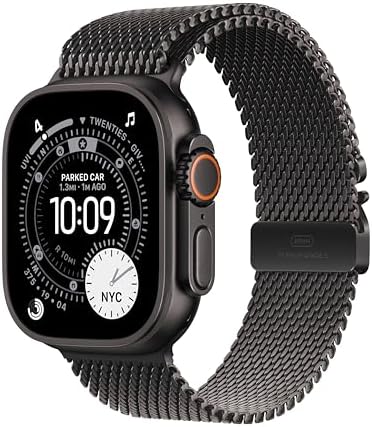
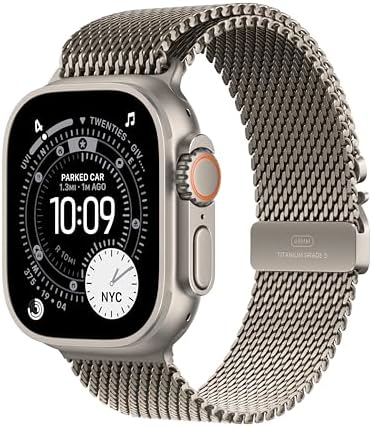
 Just Pick Your Favorite Stylish Watch online




















Item Reviews