The Google Pixel Watch 2 and the Fitbit Sense 2 approach wrist-based wellness from opposite directions, and the gap between them comes down to a single design decision: how much of your phone should live on your wrist. One runs a full smartwatch operating system with an app store and LTE calling, while the other strips the experience back to sensors, sleep data, and stress tracking. This guide lays out the specifications that actually change daily use so the right choice becomes obvious.
| Feature & Selling Point |
Google Pixel Watch 2 |
Fitbit Sense 2 |
| Operating System |
Wear OS 4 |
Fitbit OS (proprietary) |
| Display Type |
Circular AMOLED, always-on |
Square AMOLED, always-on |
| Typical Battery Life |
24 hours with always-on display |
6+ days |
| Continuous GPS Battery |
Up to 24 hours |
Up to 5 hours |
| Health Sensors |
Heart rate, SpO2, EDA, skin temperature |
Heart rate, SpO2, EDA, skin temperature, ECG |
| ECG App |
Not available |
Yes |
| Stress Tracking |
Body Response (EDA + heart rate) |
Body Response + cEDA |
| App Ecosystem |
Google Play Store |
Fitbit apps only |
| LTE Calling |
Yes (LTE model) |
No |
| Contactless Payments |
Google Wallet |
No |
| Voice Assistant |
Google Assistant |
Amazon Alexa built-in |
| Case Material |
Aluminum |
Aluminum |
| Water Resistance |
5 ATM |
5 ATM |
| Safety Features |
Fall Detection, Emergency SOS |
Limited to phone app |
| Best For |
Android users wanting apps and LTE |
Health-focused users wanting battery life |
The table reveals the central trade-off immediately. The Sense 2 wins on battery life and adds an ECG app, while the Pixel Watch 2 counters with Google Wallet, LTE calling, and a full app store. Neither advantage is cosmetic; each one shapes how the watch fits into a day.
Design Language and Wearing Experience
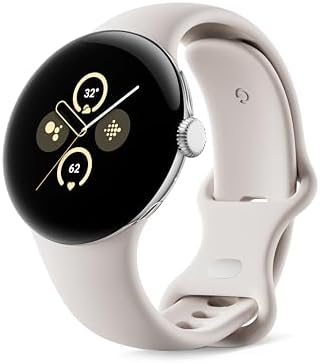
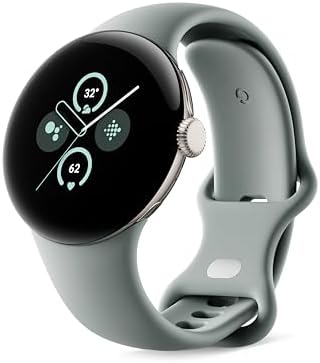
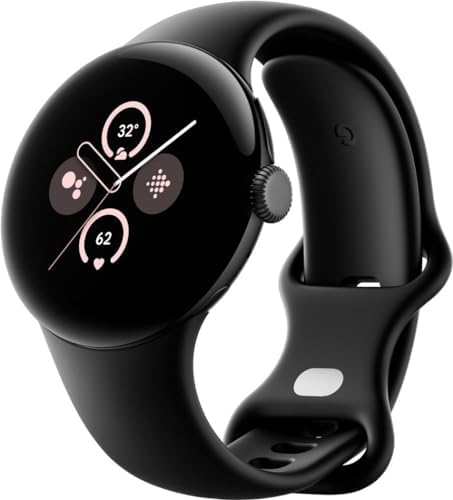
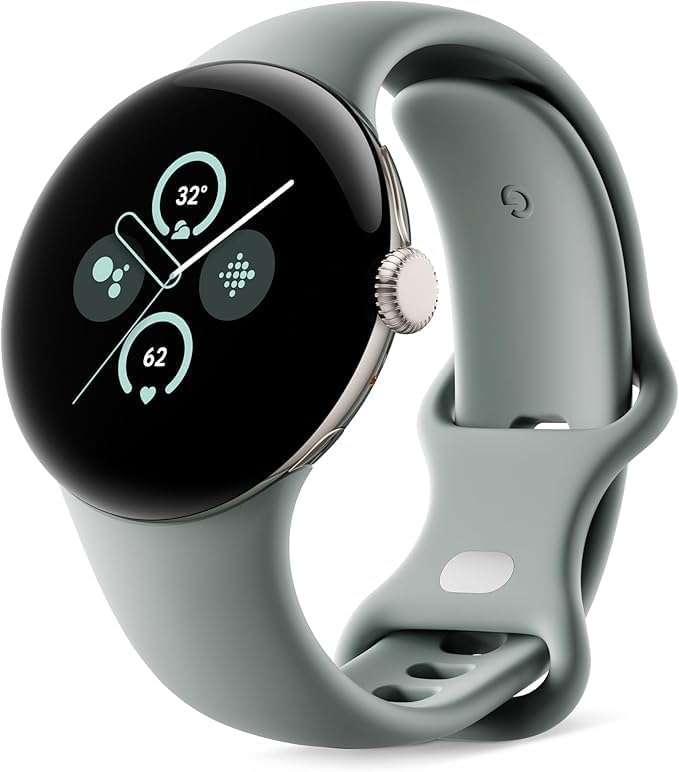
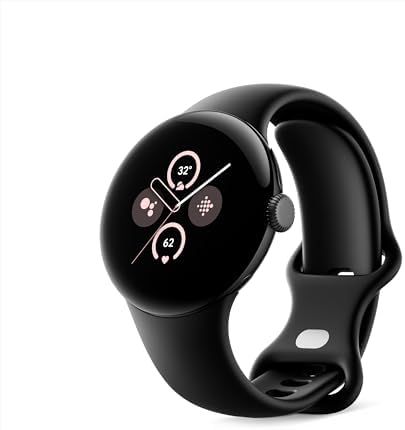
The Pixel Watch 2 uses a domed circular AMOLED display that mimics traditional watchmaking, so it slides under a shirt cuff without catching. The tactile crown rotates with a satisfying click, and the always-on display keeps the time visible without a wrist raise.
The Fitbit Sense 2 takes the opposite route with a square, gently curved screen. That shape fits more text on screen, which matters when reading stress alerts or heart rate zones mid-workout. It looks less like a dress watch and more like a dedicated instrument, which suits its purpose.
Health Tracking Depth and Sensor Accuracy
Both watches share a common platform lineage, yet they diverge in execution. The Fitbit Sense 2 Health and Fitness White GPS includes a dedicated ECG app to detect signs of atrial fibrillation, a feature absent from the Pixel Watch 2. For anyone with specific cardiac concerns, that single difference can decide the purchase.
The Sense 2 also refines its continuous electrodermal activity sensor. This enables all-day stress detection and the Body Response feature, which flags potential stress moments as they happen. The Pixel Watch 2 uses a similar EDA sensor, but the Sense 2 software is tuned specifically to turn that raw data into mindfulness and stress management logs.
Sleep tracking remains strong on both devices because they draw on the same algorithms. The Sense 2 benefits from a fit and battery life that let it be worn for multiple nights without a charging gap, which matters for anyone tracking sleep stages over a full week. For a continuous view of sleep scores and trends, the Sense 2 experience feels more naturally integrated.
Smart Features and Everyday Connectivity
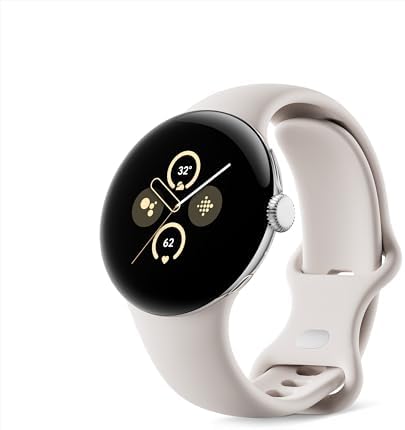
This is where the Pixel Watch 2 pulls ahead for Android users. The Google Pixel Watch 2 Champagne Gold Aluminum GPS connects to Google Wallet for contactless payments, Google Maps for turn-by-turn navigation, and a broad library of third-party apps such as Spotify and Strava. It effectively acts as a small phone on the wrist.
The Fitbit Sense 2, by contrast, is a sealed ecosystem. Notifications arrive and Amazon Alexa responds, but additional applications cannot be downloaded, and message replies are limited to quick responses. It is designed as a health tool first and a smart gadget second, and the software reflects that priority.
Safety features also differ. The Pixel Watch 2 includes Fall Detection and Emergency SOS, which can contact emergency services after a hard fall. The Sense 2 relies largely on the Fitbit app on a paired phone, without the direct calling capability of the Pixel Watch 2 LTE variant.
Battery Life and Charging Habits
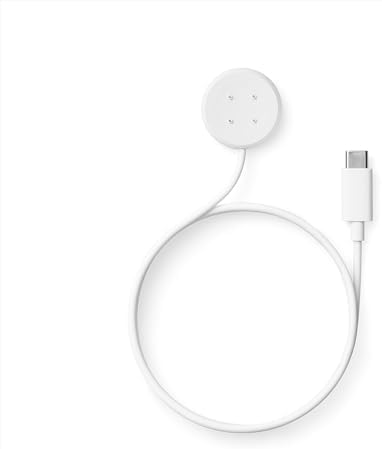
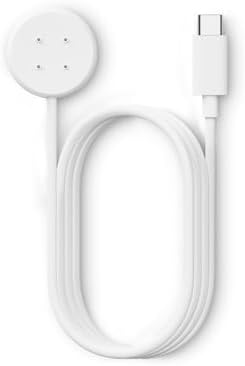
Battery life is the most immediate practical difference. The Pixel Watch 2 needs a nightly charge, especially with the always-on display enabled and LTE active. The Sense 2 can run for nearly a week, which means it can be worn for sleep tracking without a midday top-up.
That longevity comes at a cost. The Sense 2 gives up the app library and LTE connectivity found on Google's watch. Anyone who wants to leave a phone at home during a run will feel that loss, while anyone who mainly wants a week of wellness data will see it as a fair trade.
Which Watch Fits Your Routine
For Android users who want a stylish smartwatch that extends the phone, the Google Pixel Watch 2 is the modern pick. It offers a premium feel, smooth performance, and the full reach of Google services, provided a daily charge is acceptable. The Google brand's flagship Wear OS positioning is reflected in the hardware, which supports that role.
For anyone whose priority is battery longevity and a specific focus on stress and heart health, including an ECG, the Sense 2 is the more targeted tool. The Fitbit brand's dedicated tracker philosophy is evident here, and the Sense 2 series is built for the person who wants a health companion that can go the distance without a charger.
The decision ultimately hinges on whether a versatile, app-driven wrist computer or a specialized, long-lasting wellness monitor matches daily habits. Both excel in their specific niches, and the daily routine, not the spec sheet alone, will determine which one feels like the right fit.
 Just Pick Your Favorite Stylish Watch online




















Item Reviews