The Google Pixel Watch 4 and the Garmin Vivoactive 6 answer the same question from opposite directions: how much smart should a fitness watch be, and how much fitness should a smartwatch keep? Google builds around Gemini, Wear OS, and a polished round case, while Garmin builds around battery longevity and a distraction-free training experience. This guide compares the specifications and trade-offs that actually shape a purchase decision, and it is written to be kept as a reference for anyone choosing between the two.
| Feature & Selling Point |
Google Pixel Watch 4 |
Garmin Vivoactive 6 |
| Battery life |
Around 30 hours |
Up to 11 days |
| Display |
AMOLED, always-on option |
AMOLED |
| Operating system |
Wear OS with Gemini built in |
Garmin proprietary, button-driven |
| Case size |
45mm |
Slimmer everyday profile |
| GPS tracking |
On-watch GPS |
Dedicated GPS with training metrics |
| Heart rate monitoring |
Continuous optical sensor |
Continuous optical sensor with health insights |
| Sleep tracking |
Included |
Included with detailed sleep stages |
| Voice assistant |
Gemini built in |
Basic voice via paired phone |
| Water resistance |
Water resistant |
Water resistant for pool and shower |
| App ecosystem |
Google Play app library |
Limited, fitness-focused |
| Phone compatibility |
Android phones |
Android and iOS |
| Best suited for |
Notifications, AI help, daily wear |
Multi-day training, low-maintenance tracking |
| Charging cadence |
Roughly daily |
Weekly or longer |
| Platform ecosystem |
Google and Wear OS integration |
Garmin Connect and training metrics |
The row that reshapes this decision is battery life: the Pixel Watch 4 is rated around 30 hours, while the Vivoactive 6 reaches up to 11 days. Nearly every other difference, from AI features to app access, flows from how each brand chose to spend that power budget. The comparison below the surface is a battery question wrapped in a lifestyle question.
Battery Strategy and What It Means for Daily Wear
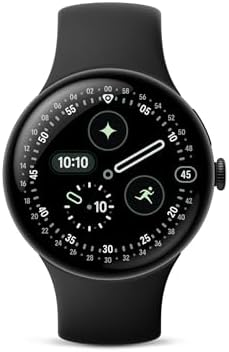
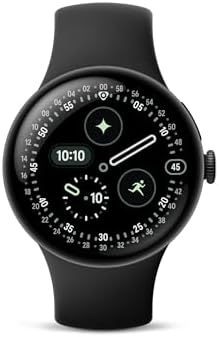
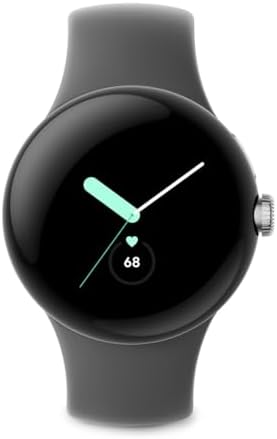
It is tempting to read the 30-hour figure as a weakness, but it is better understood as a deliberate trade. Running Wear OS, a bright AMOLED panel, and on-device Gemini consumes power in a way Garmin's software does not. Google has effectively priced the hardware around a nightstand charging habit, which many smartwatch owners already accept for phones and earbuds. The Google Pixel Watch 4 (45mm) - 45mm Wi-Fi works this way: it is a companion device reconnected with each morning, and the payoff is a richer interactive layer during the day.
Garmin goes the opposite direction, and the published figure of up to 11 days reflects a philosophy where fitness tracking should never depend on whether a charger was remembered. The practical consequence is straightforward for people who travel, work long shifts, or simply dislike daily maintenance routines: one device asks for a small habit, the other removes the habit entirely. Neither approach is superior in isolation; they solve different problems.
Fitness Tracking Depth and Training Data
The Vivoactive line has historically been the accessible entry point into Garmin's training ecosystem, and the sixth generation follows that pattern. Health and fitness tracking features are handled with the precision a company built on endurance sports applies across its product range, from basic step and calorie logging up to structured activity data viewable in Garmin Connect. For runners, cyclists, and swimmers who want a wearable to behave like a coaching instrument, the lineage here matters more than any single specification.
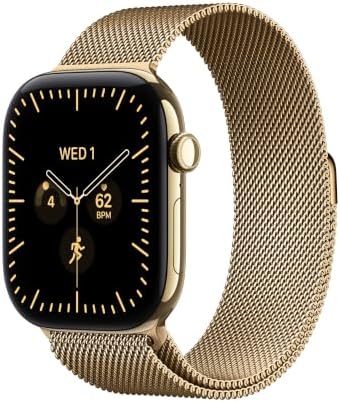
The Garmin vívoactive 6 Health and Fitness Gold GPS leans on GPS accuracy and long session logging, the kind of features that matter on a trail where battery anxiety is a real safety concern. The Pixel Watch 4 counters with Google's fitness platform and broader app access, which appeals to users who want workouts, streaming, and AI help unified in one interface rather than fragmented across dedicated sports tools.
Smart Features, AI, and the Wear OS Factor
This is where Google's device separates most clearly. The Pixel Watch 4 runs full Wear OS with Gemini built in, meaning voice queries, message drafting, and contextual help happen on the wrist without reaching for a phone. Third-party apps come from the Play Store, payment and smart home controls integrate with the Google brand's services, and notifications behave the way they do on an Android handset. For users already inside that world, the ecosystem forms the strongest part of the argument for the Pixel Watch 4.
Garmin keeps its software focused. The watch handles notifications, music storage for offline playback, and core widgets, but it does not pretend to be a miniature phone. That restraint is deliberate and benefits battery life, yet anyone expecting full app support will notice the difference quickly. The honest trade-off is this: the Pixel Watch 4 behaves like a smart device that tracks fitness, while the Vivoactive 6 behaves like a fitness device that handles smart notifications.
Design, Case Size, and Wearing Comfort
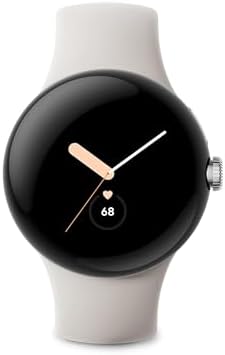
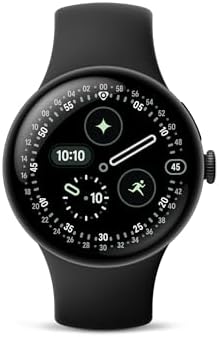
The Pixel Watch 4 in its 45mm configuration is an unmistakably large, round watch with a domed display and a soft active band that reads as sporty rather than dressy. Buyers with slimmer wrists should consider how the case proportions sit relative to the forearm, since a 45mm face carries visual weight that smaller frames can make look oversized. The Moonstone colorway softens the effect, giving the watch a more approachable daily-wear character rather than a stern technical look.
Garmin positions the Vivoactive 6 as a slimmer everyday model in a Lunar Gold finish with a Bone band, a combination that leans toward neutral, versatile styling. The reduced case profile suits all-day wear and sleep tracking alike, and the sensitivity of the button layout matters more than it appears: physical controls let users start an activity timer without looking at a screen, a small design decision with real value mid-run.
Water Resistance and Everyday Durability
Both watches are advertised as water resistant, covering pool workouts, showers, and incidental rain. The meaningful difference is not in the splash rating but in how each model behaves after a swim: an always-on Google display and a multi-day Garmin battery produce different post-activity recovery routines. For swimmers who log frequent sessions, the device that does not require charging between swims and a workday generally wins on convenience alone.
Sleep, Health Insights, and Long-Term Data
Wearable sleep tracking has matured from novelty to benchmark, and both watches treat continuous heart rate and overnight data as core functions. Garmin's strength is the accumulated contextual data within its training platform, allowing users to see how recovery, heart rate trends, and activity load relate over months. Google's approach integrates sleep data into its ecosystem and surfaces it through the watch and its companion apps, comfortable for users who want insight without a long dashboard learning curve.
Phone Compatibility and Ecosystem Commitments
- Android priority: The Pixel Watch 4 is designed around Android integration, and pairing with a non-Google Android phone still works but loses some tightness.
- Cross-platform freedom: The Garmin Vivoactive 6 works with both Android and iOS, a decisive advantage for mixed-device households.
- Upgrade paths: Choosing Google ties future watch purchases to whether the user remains on Android, while choosing Garmin keeps the door open across platforms.
Who Should Buy Which Watch
The decision standard is not a specification sheet but a daily routine. Buyers who answer messages from the wrist, ask an assistant questions, use Google services heavily, and charge a phone overnight anyway should find the Pixel Watch 4 comfortable and capable. Buyers who run, hike, swim, or simply want a watch that survives a weekend trip without its charger should steer toward the Garmin brand's training-first philosophy, where the Vivoactive 6 lineup fits the sweet spot for users who want genuine training features without the price and bulk of the top-tier sports models.
A final consideration belongs to anyone torn between the two: how the watch feels after the novelty fades. The device that matches existing habits gets worn daily; the one that asks for too many habit changes ends up in a drawer. That quiet, repeated decision is the real verdict in this comparison.
 Just Pick Your Favorite Stylish Watch online












Item Reviews