The Fitbit Charge 6 and the Apple Watch Series 11 approach wrist-worn monitoring from opposite design directions: one is a slim, sensor-focused band built for continuous physiological tracking, the other a full smartwatch platform with an always-on display and a deep app ecosystem. Both are marketed as fitness-first devices, yet they answer different questions about how much screen, data, and daily charging a person wants. This guide is assembled as a permanent reference for that decision, so the trade-offs that actually change a purchase sit side by side.
| Decision Factor |
Fitbit Charge 6 |
Apple Watch Series 11 |
| Form Factor |
Slim band with narrow vertical display |
Rectangular case with full color display |
| Typical Battery Cycle |
Up to 7 days per charge |
Roughly 18-24 hours, daily charging norm |
| Display Behavior |
Wake-on-raise, limited color interface |
Always-On Retina display |
| Heart Rate Hardware |
Optical PPG sensor, continuous mode |
Optical PPG plus electrical heart sensors |
| ECG Capability |
ECG app included on device |
ECG app available in supported regions |
| Satellite Support |
Built-in GPS with GLONASS |
GPS, GLONASS, Galileo, QZSS |
| Sleep Tracking Depth |
Detailed stages plus Sleep Score |
Sleep stages plus Sleep Score |
| Third-Party App Access |
Limited curated app selection |
Extensive App Store library |
| Water Resistance |
Swim-proof to 50m |
Water resistant to 50m |
| Gym Equipment Integration |
Heart rate broadcast to machines |
Heart rate sharing via paired apps |
| Cellular Option |
None, phone-tethered only |
Cellular variants available |
| Contactless Payments |
Google Wallet support |
Apple Pay support |
| Subscription Layer |
Premium tier for deeper analytics |
No mandatory subscription |
| Best Fit For |
All-day tracking with infrequent charging |
Users wanting a wrist computer and health hub |
| Entry Price Positioning |
Lower upfront cost |
Higher upfront cost, wider model range |
The single most consequential row is battery architecture. Seven days versus roughly one day is not a spec sheet detail; it dictates whether a device can be worn overnight without a charging ritual. The second decisive row is app access, where the Series 11 operates as a general-purpose computer and the Charge 6 stays a focused instrument.
The Design Trade-Off Between a Band and a Wrist Computer
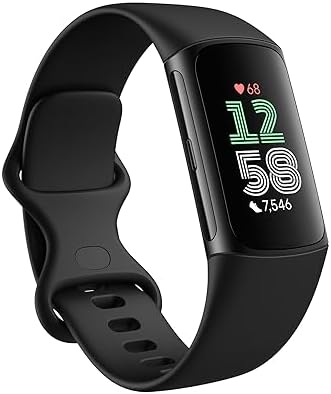
A fitness tracker succeeds or fails on whether it disappears on the wrist. The Charge 6 follows the classic band silhouette: a narrow polymer body, a vertical strip display, and a clasp system that keeps the sensor flush against the skin during movement. That low profile matters in two specific situations: sleeping and lifting. A slim tracker does not catch on bedding at night and does not collide with a barbell or a rack during a set.
The Series 11 inverts this logic entirely. Its value is surface area. A larger, brighter display enables reading notifications, glancing at workout splits mid-run, and interacting with apps without pulling out a phone. The trade-off is physical presence: it is a case, not a band, and the wrist awareness is constant. Neither approach is superior in the abstract; the question is whether a screen or silence on the wrist serves the wearer better.
Why Sensor Depth Differs More Than the Spec Sheet Suggests
Both devices measure heart rate optically and both carry an ECG function, which puts them ahead of most mid-range trackers. The divergence appears in how those readings are used. According to Apple, the health sensing architecture in recent Apple Watch generations focuses on continuous background monitoring feeding structured health notifications, and the Series 11 sits inside that lineage with heart rate and HRV sampling running alongside the broader health suite.
The Charge 6 takes a different route: fewer sensor modalities, but a much tighter loop between reading and interpretation. Fitbit's analytics layer turns raw optical data into readiness indicators, sleep staging, and stress signals presented as readable scores rather than raw waveforms. A runner who wants a training directive will find more usable guidance here; a runner who wants an ECG printout and irregular rhythm alerts will find more capability on the Apple side.
Heart Rate Broadcasting and Gym Hardware
The Charge 6 includes a genuinely useful and underrated capability: broadcasting heart rate to compatible gym equipment. On a treadmill or a spin bike with a built-in receiver, the machine can read the tracker's heart rate directly, so effort zones appear on the console display instead of requiring a glance at the wrist. Fitbit positions this as an ecosystem integration with select equipment brands, and it is one of the clearest practical advantages of the tracker form factor.
Sleep Architecture and Overnight Wearing
Sleep remains the strongest argument for the tracker form. Because the Charge 6 can run a full week between charges, overnight wear is not a logistical problem: the device stays on the wrist while it charges once weekly, usually during a shower or a morning routine. The Series 11 delivers comparable or deeper sleep metrics, but its daily charging cycle forces a decision about when the watch comes off, and that window often disrupts continuous overnight data.
Software, Ecosystem, and the Cost of Depth
Software is where these two devices stop being comparable at all. The Series 11 runs watchOS with access to the App Store, which means mapping, boarding passes, third-party training platforms, and communication tools all live on the wrist. The Charge 6 runs Fitbit's own interface with a deliberately small set of apps and tile-based navigation. This is not a deficit in execution; it is a design boundary. Fewer apps means fewer distractions and, critically, less processor load that would shorten battery life.
Fitbit's subscription model deserves attention here because it changes the effective cost of ownership. Deeper analytics, detailed readiness, and longer-term trend history sit behind the Premium tier on many models, and the Charge 6 bundle often includes a trial period to demonstrate that layer. Apple takes the opposite commercial approach: no mandatory subscription, with advanced analytics included in the base platform. Over three years of ownership, that difference can substantially narrow the upfront price gap.
Running, Training, and Satellite Accuracy
For runners, the practical differentiators are satellite support, screen legibility in motion, and pace feedback. The Apple Watch portfolio carries multi-constellation GPS support across generations, including GPS, GLONASS, Galileo, and QZSS, which improves positional reliability in urban canyons and dense tree cover. The Charge 6 pairs built-in GPS with GLONASS, enough for accurate pace and route tracking on open roads, though the smaller display and its wake-on-raise behavior make mid-run data reading less immediate.
Structured workouts reveal another split. The Series 11 pairs an always-on screen with haptic pacing guidance while supporting third-party training apps that push lap alerts. The Charge 6 offers a simpler active-zone-minutes framework that is easier to follow but less configurable for precise interval prescriptions.
Who Should Buy the Fitbit Charge 6
The Charge 6 is the better purchase for anyone whose priority is a device that stays on the wrist and keeps collecting data without a charging ritual. The profile fits:
- People who want week-long battery endurance and resist daily charging
- Sleep-focused users who need uninterrupted overnight wear
- Gym-goers who want heart rate broadcast to compatible machines
- Buyers entering the fitness tracking category at a lower outlay
- Users who prefer a directional score over a raw data stream
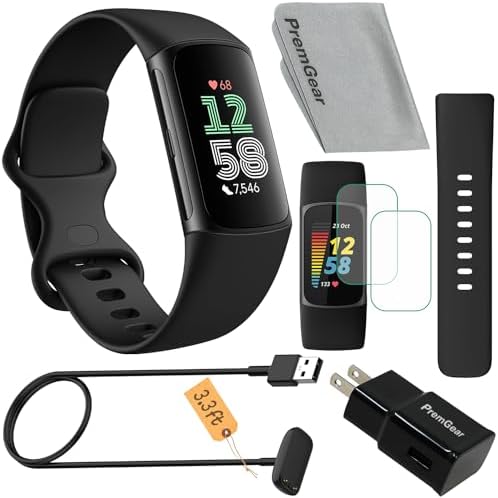
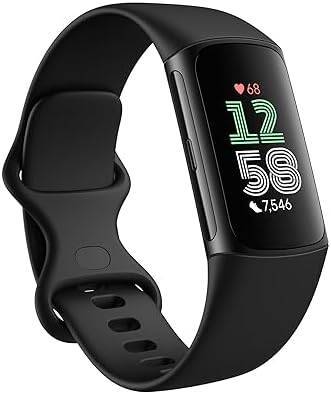
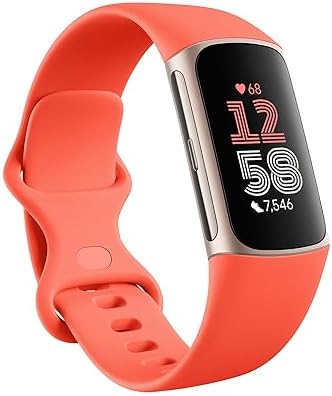
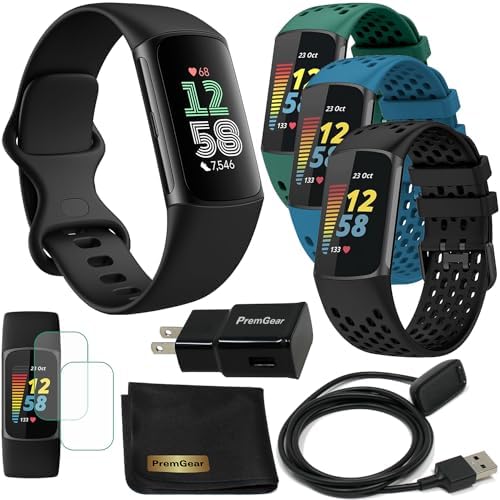
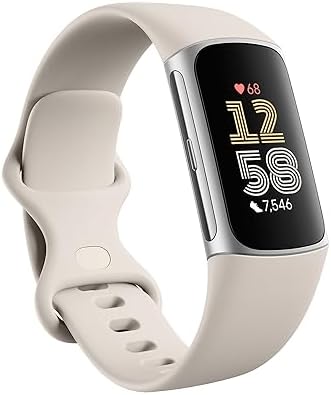
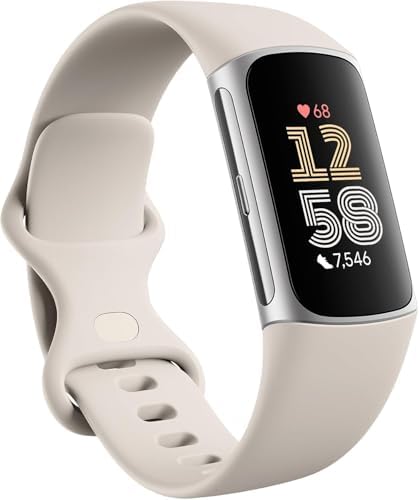
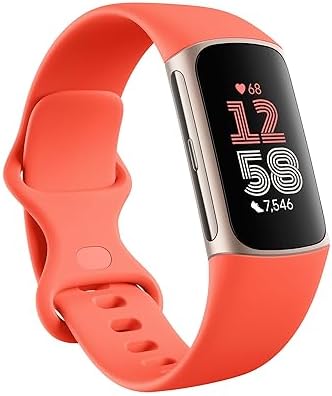
The trade-offs are concrete: minimal third-party apps, no cellular option, a smaller display, and a subscription layer that unlocks the fullest analytics. For a closer look at the hardware itself, the Google Fitbit Charge 6 - Fitness Black pairs the slim band body with the sensor stack described above, and the broader Charge 6 lineup keeps the same sensor-first philosophy across its band options.
Who Should Buy the Apple Watch Series 11
The Series 11 is the better purchase when the wrist device must do more than track. It suits buyers who already live inside the Apple ecosystem, want cellular connectivity for phone-free runs, or need an always-on display for glanceable information during activity. Apple's health platform extends beyond fitness into ECG readings, irregular rhythm notifications, and integration with a broader connected device network, which makes it a health hub as much as a training tool. The Apple Watch Series 11 Jet Black Aluminum is the reference configuration for that experience, and the wider Series 11 lineup adds case sizes and finishes around the same platform.
The trade-offs are equally concrete: a daily charging cycle, a much higher entry cost, and a physical footprint that some users find intrusive during sleep or heavy lifting. Cellular variants add further cost.
The Decision Criteria That Actually Matter
Stripping the comparison to its essentials produces three questions. First, can the wearer tolerate charging every night? If not, the choice ends here. Second, does the user need an always-on screen and third-party apps during training? If yes, the choice also ends here. Third, is the ECG and health-notification layer worth the price premium? For anyone with a family history of cardiac arrhythmia, that answer tends toward yes; for a casual step-counter and sleep-tracker user, it tends toward no.
Everything else, from satellite constellations to payment systems, follows from those three answers. The strongest selection is not the device with the longest specification sheet but the one whose compromises match the wearer's routine. A seven-day tracker that never blocks sleep tracking beats a wrist computer that spends the night on a charger, and a smartwatch that reads notifications without reaching for a phone beats a band that leaves the phone in a pocket all day.
The Fitbit brand's tracker heritage and the Apple brand's smartwatch platform represent mature, well-resolved design positions rather than competing versions of the same idea. The correct purchase is the one that matches the wearer's tolerance for charging, appetite for screen interaction, and expectations from health data. Measured against those criteria, the decision becomes straightforward, durable, and easy to defend a year after the box is opened.
 Just Pick Your Favorite Stylish Watch online




















Item Reviews