The Apple Watch SE 3 and the Garmin Vivoactive 5 occupy the same affordable tier yet answer opposite questions. One is a tightly integrated iPhone companion built around safety tooling and an app catalogue; the other is a lightweight, multi-day training watch that pairs with either phone platform. This buying guide is meant to be kept as a reference: it maps the specifications that actually change daily wear, then explains who should buy which model and why. The comparison below is the decision point worth returning to.
| Feature & Selling Point |
Apple Watch SE 3 |
Garmin Vivoactive 5 |
| Display Type |
Retina LTPO OLED, Always-On |
AMOLED |
| Case Sizes |
40mm and 44mm |
Single 42mm |
| Battery Life |
Up to 18 hours typical use |
Up to 11 days smartwatch mode |
| Water Resistance |
50m, swim-proof |
5 ATM, swim-proof |
| Satellite Navigation |
Built-in GPS |
Built-in GPS, GLONASS, Galileo |
| Health Sensors |
Heart rate, sleep apnea notifications, hypertension notifications per Apple |
Heart rate, sleep score, Body Battery, Pulse Ox |
| Safety Tooling |
Fall detection, Crash Detection, Emergency SOS |
Incident detection during activities, assistance request |
| Phone Compatibility |
iPhone only |
iOS and Android |
| App Ecosystem |
Apple App Store, iMessage replies, Apple Pay |
Garmin Connect, limited third-party apps |
| Training Analytics |
Activity rings, basic workout summaries |
Training readiness, recovery time, VO2 max |
| Connectivity |
GPS or GPS + Cellular |
GPS with Bluetooth and ANT+ |
| Charging Method |
Magnetic fast charger |
Proprietary charging cable |
| Band System |
Quick-release lugs, large aftermarket |
Quick-release 20mm standard |
| Best For |
iPhone owners wanting safety and apps |
Runners and gym users wanting endurance |
| Key Selling Point |
Always-On display with deep iOS integration |
11-day battery with full training suite |
Two rows in that table decide most purchases. The battery gap is roughly fourteen to one in favor of the Garmin, while the SE 3 answers with safety tooling and an app store the Vivoactive 5 cannot approach. Buyers who already know how often they charge their phone know which column fits their routine.
Battery Life and the Charging Routine
Apple rates the SE 3 at up to 18 hours of typical use, which places it on a charger every night. For an iPhone owner already docking a phone at bedtime, the rhythm is familiar and rarely disruptive. The Always-On display is the payoff, giving the watch a wristwatch presence that many wearers refuse to give up.
Garmin specifies up to 11 days in smartwatch mode for the Vivoactive 5, which changes the relationship with charging altogether. A week-long trip or a run of late shifts rarely surfaces the low-battery icon. For anyone tracking sleep, the Vivoactive 5 simply stays on the wrist through the night and into the following days without a top-up.
Reading the Ratings Realistically
An 18-hour rating does not mean the SE 3 dies on the commute home. Heavy workout tracking, GPS sessions, and Always-On use each draw the reserve down faster than typical wear, and topping up while showering helps without removing the nightly ritual.
The Garmin's multi-day figure also varies with GPS-heavy activity, yet a single overnight charge typically covers the better part of two weeks in ordinary wear. For trail runners logging long satellite sessions, that headroom separates a watch that handles a weekend race from one that needs mid-race planning.
Health Monitoring and Training Depth
Both watches track heart rate, sleep, and daytime activity, but they package the data for different readers. Apple presents health in plain language: rings close, summaries appear, and notifications explain abnormal findings in calm terms. Apple's own health documentation describes features including heart rate variability, irregular rhythm notifications, and hypertension notifications, a set that leans toward early awareness rather than athletic optimization.
Garmin aims its metrics at the training-minded. Body Battery quantifies energy reserves, sleep scoring grades recovery, and Pulse Ox rounds out overnight monitoring. Workout metrics layer volume, recovery time, and VO2 max estimation on top, giving runners and cyclists a structured picture of readiness. The Garmin vívoactive 5 Health and Fitness Ivory GPS bundles that analytics suite into a 42mm AMOLED case, extending Garmin's training methodology to buyers who do not want a rugged Fenix silhouette.
Safety Tooling as a Segmented Decision
The SE 3 includes fall detection, crash detection, and Emergency SOS, capabilities that may matter to older relatives, solo drivers, or trail users. Garmin's incident detection covers similar ground during recorded activities, but Apple's broader consumer safety framing and its integration with iPhone calling give the SE 3 the edge on the daily-safety axis.
Health sensing, by contrast, is a draw with different strengths. Apple scores awareness and notification clarity; Garmin scores training context and physiological readiness. The buyer weighing a sensor list should ask whether a guardian or a coach is the better fit.
Ecosystem, Connectivity, and the iPhone Question
The SE 3 is an iPhone accessory in the fullest sense: it needs an iPhone for setup and syncing, and it rewards the pairing with iMessage replies, wallet support, and app breadth no other smartwatch matches. Apple positions the SE line as accessible value within that ecosystem, and the Apple brand's ecosystem runs deepest when every device on the body comes from the same company.
The Vivoactive 5 works with both iOS and Android, which frees Android users from the iPhone requirement and lets mixed-household families standardize on a Garmin. That cross-platform flexibility, together with Garmin's Connect data tools, is a very different kind of ecosystem bet. Garmin's own Connect app continues to cover the activity tracking and data review functions most wearers rely on.
- iPhone-only shop: The SE 3 benefits from deep iOS integration, Apple Pay, and iMessage replies.
- Platform-agnostic: The Vivoactive 5 pairs with iOS or Android without feature stripping.
- Training-first synergy: Garmin works with its own Connect ecosystem and an extended set of running and cycling accessories.
Design, Fit, and the Always-On Display
The SE 3 is offered in 40mm and 44mm aluminum cases, a range that lets wearers tune proportions to their wrist. The magnetic fast charger and the familiar rounded-square silhouette make it a low-effort daily companion, while raising the wrist animations and complications ensures the display never feels like a downgrade to a plain timepiece. The best-fit choice for a narrow wrist is clearly the 40mm variant, and the 44mm version serves larger wrists without feeling oversized.
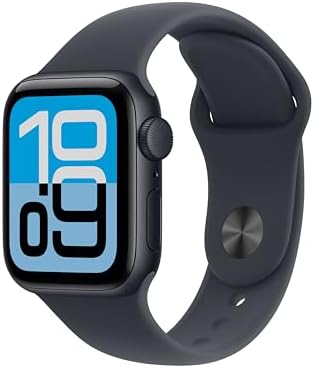
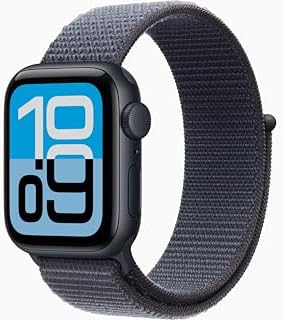
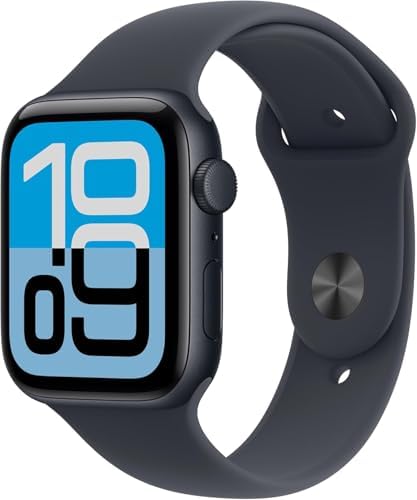
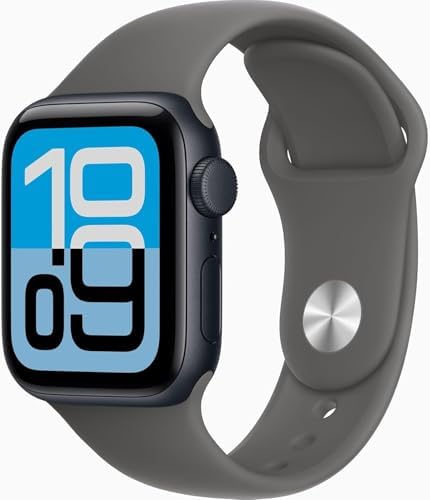
The Vivoactive 5 applies Garmin's 42mm middle ground with an AMOLED panel that reproduces watch faces, widgets, and activity glances with strong color and contrast. Its lighter frame suits overnight wear and continuous wear across the workweek. For anyone weighing the Apple Watch SE 3 GPS 40mm Midnight, the choice between case sizes is a fit decision, while the Garmin's single 42mm size removes the decision entirely.
Case Finishes and Band Compatibility
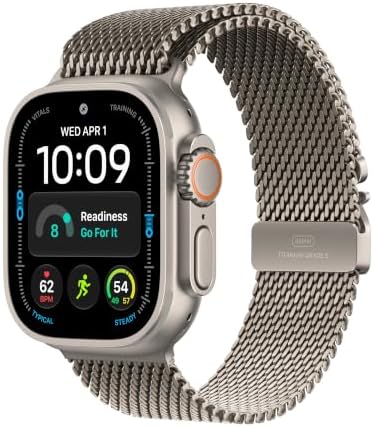
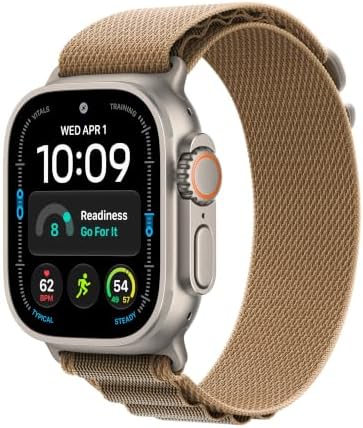
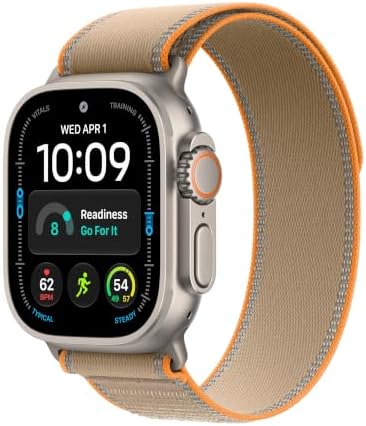
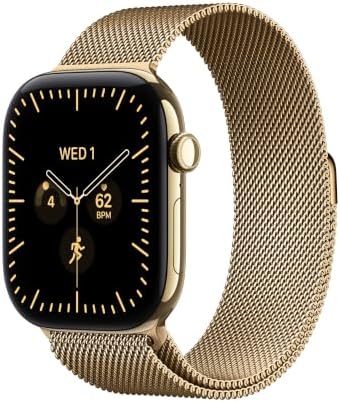
Apple pairs the SE 3 with a deep color lineup and its standard quick-release lugs, giving buyers an extensive aftermarket band market. Garmin standardizes on quick-release 20mm bands, which simplifies replacements and lower-priced strap options. Both approaches are easy to live with, but band hoarders may lean toward Apple's larger extended catalogue.
Which Smartwatch Suits Which Buyer
The SE 3 wins for iPhone users who wear a watch to the office, want Always-On presence for glanceable information, and care about safety alerts while driving or walking at night. It also suits people installing their first smartwatch and expecting a polished first-run experience. The expected trade is daily charging.
The Vivoactive 5 wins for runners and gym-focused users who prioritize training context, long battery life, and compatibility with a non-Apple phone. the Garmin brand's lineage shows in the discipline-specific metrics that transform raw heart rate data into readiness and recovery guidance, and in the multi-day endurance that keeps it relevant across travel and long-distance events. Within that same family, the Vivoactive 5 lineup remains the most accessible entry into Garmin's training ecosystem, sitting below the Fenix and Forerunner ranges in price while retaining the core analytics.
A useful decision test is a single question: on an ordinary Sunday, will the watch spend more time on the charger or in sleep-tracking mode? The Apple value proposition is a crisp experience with world-class safety features and access to the App Store; the Garmin value proposition is a wearable built to stay on the wrist and pay attention while a user trains, rests, and recovers. The right answer depends on whether the wearer prioritizes a versatile iPhone extension or an adaptive training partner.
 Just Pick Your Favorite Stylish Watch online












Item Reviews