The Samsung Galaxy Watch Ultra 2 carries a 1.52-inch display that reaches up to 5,000 nits of brightness, a figure Samsung positions as the brightest ever on a Galaxy Watch. That single number frames much of what this rugged GPS smartwatch is about: visibility in harsh light, endurance across long days, and a build meant to absorb punishment rather than avoid it. For anyone weighing a premium outdoor watch, the specifications tell a more useful story than the marketing language around them.
This breakdown works through the Galaxy Watch Ultra 2 specifications section by section, from the titanium chassis and screen technology to the battery platform and processing hardware. Each element is examined for what it actually means on the wrist, so the numbers can be judged on their own terms.
Titanium Case Construction and Rugged Design
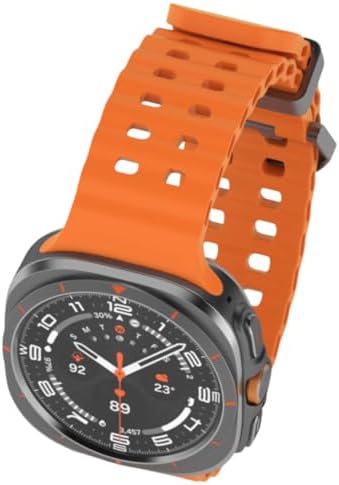
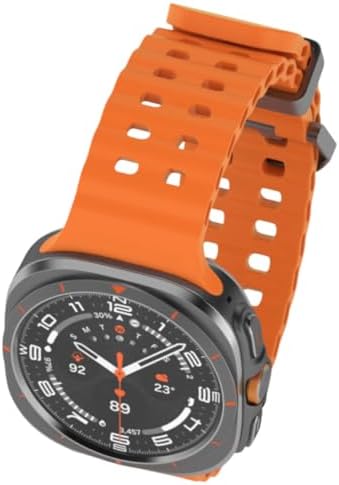
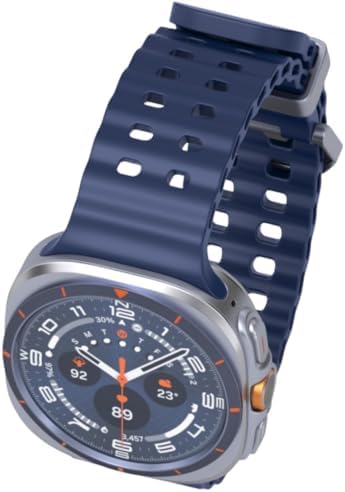
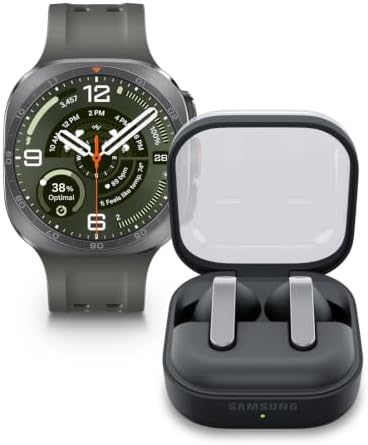
The case is built from titanium, a material chosen for its strength-to-weight ratio rather than novelty. Samsung pairs that shell with a rugged luxury design language, which in practice means the watch reads as a tool first and an accessory second. The muted gray finish applied across the line hides scuffs better than polished surfaces and keeps the case looking intact after contact with rock, strap, or desk edge.
Titanium also affects weight distribution. A 47mm case in steel can feel top-heavy during running intervals, while the lighter alloy keeps the center of mass closer to the wrist. Combined with the LTE variant's independence from a paired phone, the hardware is clearly organized around outdoor use rather than office wear. The LTE radio adds standalone connectivity for calls and messages, which matters on routes where carrying a phone is impractical. Buyers who want that exact configuration can look at the Samsung Galaxy Watch Ultra2 Titanium Gray 47mm LTE as the reference point for this specification set.
Display Technology and Brightness
The 1.52-inch panel and its 5,000-nit ceiling are the headline specification, and the practical consequence is legibility under direct sun. Most smartwatch displays become washed out at roughly a third of that output, forcing users to shade the screen with a hand. At the upper end of its brightness range, the Ultra 2 keeps watch faces, mapping, and workout metrics readable without that workaround.
Brightness alone is not the whole story. A display that can hit 5,000 nits must also manage power draw, since sustained maximum output would drain any battery quickly. Samsung's approach ties the panel to adaptive brightness behavior, so the highest levels engage only when ambient light demands them. The result is a screen that behaves like a proper outdoor instrument while remaining usable as an everyday timepiece indoors.
Processor, Memory, and On-Device Storage
Powering the watch is the Snapdragon Wear Elite Platform, paired with 2GB of memory and 64GB of storage. The storage figure deserves attention because it shapes how the watch is used over time. 64GB accommodates offline maps, downloaded playlists, and cached workout data without constant housekeeping, which suits the multi-day trips this model is aimed at.
The 2GB of RAM supports the health-tracking stack running in the background, from continuous heart-rate sampling to sleep analysis and GPS logging during activities. Samsung states that the Galaxy Watch Ultra 2 is designed as a health companion on the wrist, and the memory allocation reflects that ambition: enough headroom for sensors to run alongside navigation and media without obvious stutter. The processor also underpins the responsiveness of the interface, which matters more on a watch than on a phone because interactions are measured in seconds.
Battery Capacity and Charging
The 800mAh battery is the largest Samsung has placed in a Galaxy Watch, according to the company's own comparison materials. Capacity in this range changes the usage pattern rather than simply extending it. Multi-day hikes, overnight tracking, and GPS sessions of several hours become routine instead of carefully rationed. Samsung describes the cell as a hefty 800mAh typical battery and links it directly to the watch's ability to go further between charges.
Recharging uses high-frequency fast charging over WPC-based wireless charging. The fast-charging specification is significant for a watch in this class, because the recovery window between uses is often short, such as a shower and a meal before heading out again. Wireless charging also preserves the sealed case, which is consistent with the water-resistance requirements of an outdoor device.
- Battery: 800mAh typical capacity
- Charging: High-frequency fast charging, WPC-based wireless
- Memory: 2GB RAM
- Storage: 64GB
- Processor: Snapdragon Wear Elite Platform
- Display: 1.52-inch, up to 5,000 nits
- Case: Titanium, 47mm
- Connectivity: LTE variant available
This cluster of specifications is where Samsung's engineering priorities become clearest. The company has concentrated upgrades on the dimensions that matter for sustained outdoor use: screen legibility, processing headroom, and battery endurance. It is a coherent package rather than a scatter of features, and the Samsung collection as a whole shows the same emphasis on display and battery development across recent generations.
Health Tracking and Sensor Architecture
Samsung frames the Galaxy Watch Ultra 2 around advanced health tracking, and the sensor suite is the mechanism behind that claim. Continuous optical heart-rate monitoring forms the base layer, feeding derived metrics such as sleep stages, stress indicators, and workout intensity. For athletes, the accuracy of these readings depends on sensor contact and sampling frequency, both of which benefit from the titanium case's stable fit on the wrist.
GPS is the other critical sensor for the target user. An outdoor watch lives or dies on route accuracy, and the combination of satellite positioning with the 800mAh battery determines how long a tracked activity can run before charging becomes necessary. Samsung positions the device as a GPS smartwatch for adventure use, and the hardware supports that positioning through endurance rather than novelty features.
Water Resistance and Environmental Durability
Durability specifications rarely excite, but they determine whether a watch survives its intended environment. The titanium case resists dents and scratches that would mark softer metals, and the sealed construction required for wireless charging also supports water resistance. For swimmers, kayakers, and anyone caught in weather, these are not secondary considerations but the baseline for trusting the device.
The rugged luxury design framing is useful here: it signals that Samsung intends the watch to be worn hard without looking like a dedicated sports computer. The gray titanium finish plays into that balance, staying understated enough for daily wear while remaining practical in the field.
How the Specifications Translate to Daily Use
Reading a specification sheet is one thing; living with the device is another. The 1.52-inch screen at 5,000 nits solves the midday glare problem that plagues outdoor athletes. The 800mAh cell removes the anxiety of a long training block on a single charge. The 64GB of storage means offline maps and media are practical rather than aspirational. The Snapdragon Wear Elite Platform with 2GB of RAM keeps the interface responsive while the health sensors run in the background.
The 47mm titanium case does introduce a size consideration. Wrists below roughly 17cm may find the dimensions oversized, even though titanium keeps the weight reasonable. That trade-off is inherent to the segment, where battery capacity and display size push cases larger. Buyers considering the LTE version should also weigh standalone connectivity against the slight additional power draw it introduces.
Taken together, the specifications describe a watch built around endurance and legibility rather than subtlety. Samsung's stated positioning as a rugged luxury device is supported by concrete hardware choices: the 800mAh battery, the 5,000-nit display, the titanium case, and the 64GB of storage. Judged on those terms, the Galaxy Watch Ultra 2 makes its case through measurable capability rather than rhetoric.
 Just Pick Your Favorite Stylish Watch online












Item Reviews