The Apple Watch SE 3 carries an 18-hour all-day battery rating and up to 7 hours of workout tracking, figures Apple publishes on its own specification pages. Those two numbers frame what this model is built to do: carry a full day of movement, notifications, and health monitoring, then still have enough reserve for an evening session on the treadmill. For anyone weighing a first smartwatch against a dedicated fitness band, the SE 3 sits in a practical middle ground where workout metrics, sleep data, and daily wearability arrive in one device.
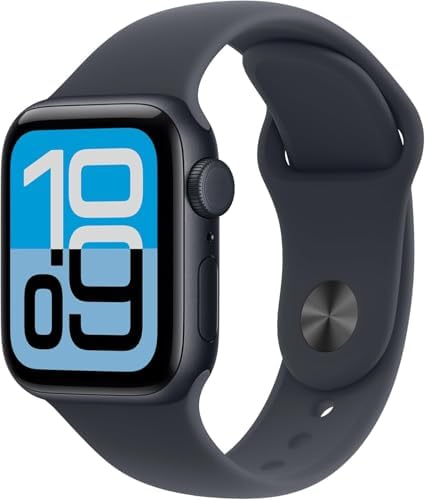
The positioning is deliberate. Apple sells the SE 3 from $249 and describes the model as combining essential health features with a value-focused price. That combination is why the Apple Watch SE 3 [GPS 40mm] makes sense for anyone whose training is measured in weekly sessions rather than race seasons.
What the 18-Hour Rating Really Means for Training
Battery figures are where most smartwatch marketing becomes abstract, so it helps to translate the published numbers into a normal week. Apple rates the SE 3 at up to 18 hours of normal use, up to 32 hours in Low Power Mode, and up to 7 hours of workout tracking on a single charge. The distinction between those three figures matters more than any one of them alone.
Normal use covers the passive layer of tracking: step counts, heart rate sampling throughout the day, sleep analysis overnight, and the steady stream of notifications that keeps a wristwatch relevant between workouts. Low Power Mode extends the window to roughly 32 hours by trimming background processes, which is useful for a weekend away from a charger or a long travel day. Workout tracking, at up to 7 hours, is the continuous high-accuracy mode that draws the most from the battery while GPS and heart rate sensors run together.
- Normal use: up to 18 hours, covering daily activity, heart rate, sleep, and notifications
- Low Power Mode: up to 32 hours, useful for travel and weekends
- Workout tracking: up to 7 hours of continuous exercise monitoring
This three-tier structure gives the SE 3 a realistic operating rhythm. A runner training five or six times a week will rarely exhaust a full charge in a single workout, and a gymgoer who wants heart rate zones and active calories through a session has ample headroom. The 7-hour ceiling only becomes a constraint for ultramarathon distances, multi-hour century rides, or full-day hiking where continuous GPS runs longer than a typical training block.
Why the 40mm Aluminum Case Suits Active Wear
Case material rarely gets discussed in fitness contexts, yet aluminum is precisely the right choice for a training-first watch. The 40mm aluminum case keeps the overall weight down, and lower weight translates directly into comfort during running, rowing, and high-repetition lifting, where a heavier steel watch swings noticeably on the wrist. Aluminum also resists the corrosion that sweat and pool water can provoke in less suitable metals, which matters for swimmers who wear the watch for laps rather than leaving it in a locker.
The water resistance rating supports the same use case. Apple specifies the SE 3 as water resistant, and that certification is the baseline for wearing the watch during pool swims and showering after a session; it is not a dive rating, so depth-based water sports still call for a dedicated dive computer. For the overwhelming majority of recreational swimmers, the rating covers what the app can actually record, including stroke type, lap counts, and pace per hundred metres in the pool.
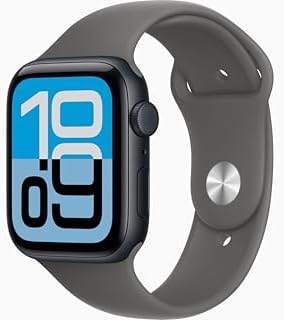
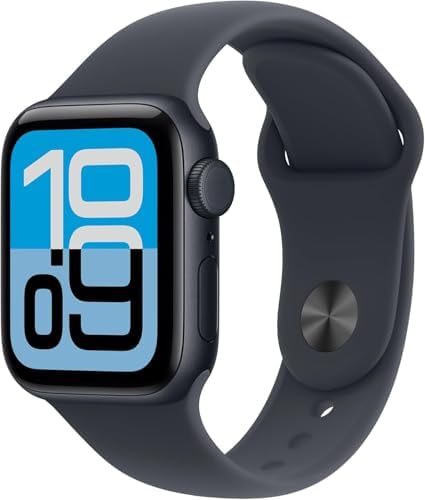
The Midnight finish deserves a practical note as well. Dark aluminum cases disguise scuffs and micro-abrasions from daily contact with gym equipment better than bright finishes, and the Midnight Sport Band that accompanies this configuration is a fluoroelastomer strap designed to handle sweat, chlorine, and repeated cleaning without degrading. A watch that looks presentable after a hard session is a watch that gets worn more often, and wear frequency is the single biggest determinant of whether fitness tracking produces useful data.
The Sensors Behind Daily Activity and Sleep Tracking
The SE 3's fitness credentials rest on a sensor stack that runs continuously rather than only during logged workouts. The optical heart rate sensor samples throughout the day to establish resting heart rate and to flag unusual spikes, while the accelerometer and gyroscope feed the movement algorithms that convert arm motion into step counts, active energy, and stand hours. The always-on display, listed among the model's headline features, changes the practical experience of wearing the watch during exercise: heart rate zones and elapsed time stay visible with a glance rather than a wrist raise.
Sleep tracking is the other sensor-driven pillar and the one most likely to be underestimated by people who buy the watch primarily for workouts. Sleep duration and consistency feed directly into recovery, and a training plan that ignores recovery is a plan that eventually stalls. The SE 3 logs time in bed, time asleep, and nightly interruptions, and the resulting patterns help explain sluggish sessions that no amount of extra caffeine will fix. Because the watch holds up to 18 hours of normal use and charges quickly, the charging routine slots naturally into a morning shower rather than requiring an overnight stay on a dock.
Crash detection and fall detection round out the safety layer, and both are genuinely relevant to outdoor runners logging kilometres alone on early mornings or on trails with uneven footing. A watch that can summon help after an impact is not a gimmick; it is a reasonable companion for anyone whose training regularly takes them beyond immediate assistance.
How to Configure It for Serious Training
Out of the box, the SE 3 is tuned for general wellness, and that default serves casual users well. Anyone training with intent should adjust four settings before judging the watch's fitness value.
- Set heart rate zones: Define zones based on resting heart rate and age so that zone-based training produces meaningful targets rather than arbitrary ones.
- Enable workout alerts: Configure pace, heart rate, and split notifications for the sports actually practised, so the watch gives feedback mid-session instead of only post-session.
- Choose the multisport profile: Triathletes and duathletes should use the multisport workout to switch between disciplines with a single button press, avoiding separate logs for swim, bike, and run.
- Audit notification load: Trimming non-essential app notifications protects battery life and reduces the mid-run disruptions that make a watch feel like a phone strapped to the wrist.
Calibration improves over time. The optical heart rate sensor becomes more reliable once it has data on the wearer's typical resting and active ranges, and the movement algorithms learn an individual's gait to improve step accuracy. The first week of data on the SE 3 should be treated as a warm-up for the algorithms as much as for the wearer.
The Question of Comparison With Dedicated Training Watches
The SE 3 does not attempt to match the multisport depth of top-tier endurance devices, and Apple does not market it that way. Where comparably priced running watches typically emphasise barometric altitude, advanced running dynamics, or multi-constellation GPS accuracy at the expense of daily wearability, the SE 3 balances fitness tracking against the broader role of a wrist device: messages, payments, safety alerts, and sleep insight. That balance is the entire point of the model's value pitch.
For buyers who mostly need to know whether they did enough activity, whether their heart rate stayed in the right range, and whether they slept enough to recover, the SE 3 competes well through the depth of its software and the accuracy of its core sensors. For buyers chasing running power, lactate threshold estimation, or multi-day GPS battery endurance, a device with those specific capabilities is the better fit, and no amount of software will change the hardware ceiling. Being clear about which buyer you are prevents an expensive mismatch.
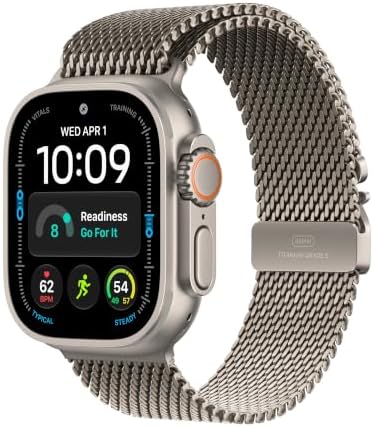
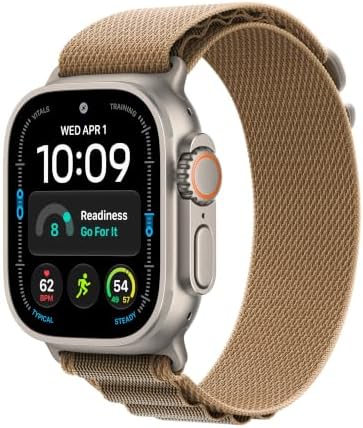
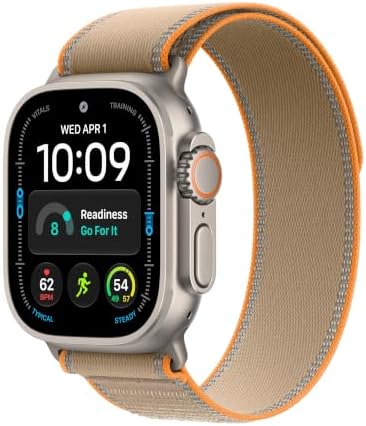
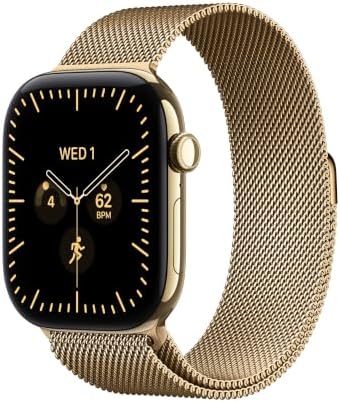
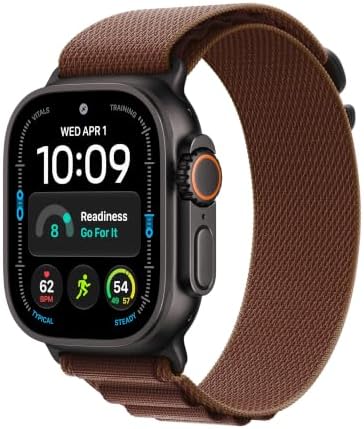
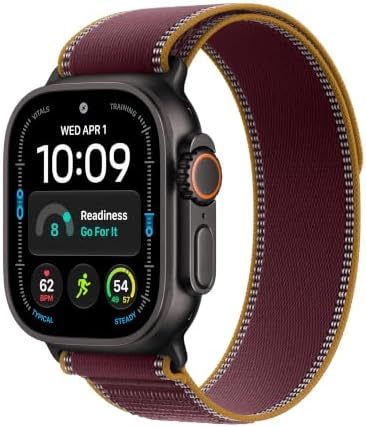
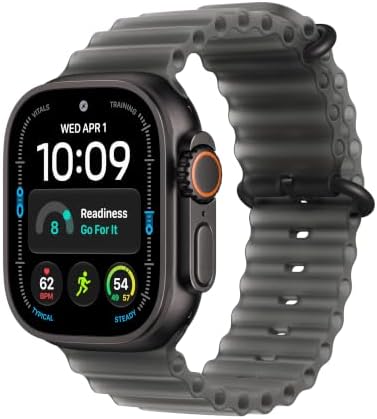
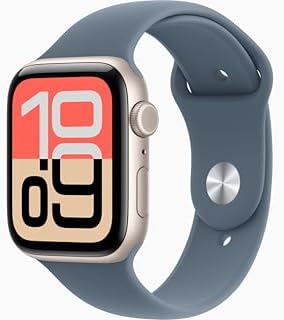
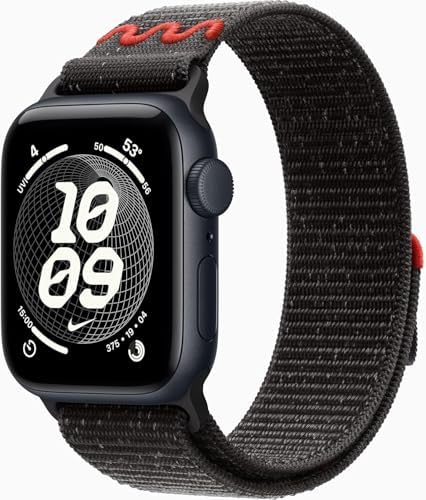
The accessories ecosystem is the quieter advantage. A soft band for gym sessions, a braided band for everyday wear, and a quick-drying band for swim training let a single 40mm case cover situations that would otherwise require separate watches. This adaptability reflects Apple's approach to progress, where improvements in sensor precision and safety features accumulate across the range and feed directly into how an SE 3 wearer trains.
Recovery, Readiness, and the Long Game
Fitness tracking works best when it is treated as a feedback loop rather than a scoreboard. The SE 3 supports that loop by keeping activity, sleep, and heart data in a single timeline where a hard Tuesday interval session visibly lowers recovery on Wednesday and a quiet weekend restores it by Thursday. Over weeks, the pattern becomes legible, and legible patterns make training decisions easier than any single day's metrics.
The 7-hour workout tracking limit and water resistance rating tell the same story about intended use: sustained but not extreme training, a wide range of sports, and the flexibility to wear one device through a working day and an evening session. Integrated into a weekly routine, the SE 3 aims to support a sustainable training habit rather than record isolated heroic efforts. That is a modest ambition, and on the published specifications it is one the model is built to deliver.
 Just Pick Your Favorite Stylish Watch online












Item Reviews