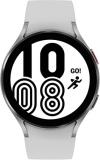
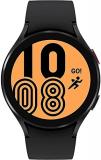
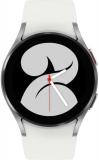
The introduction of the Samsung Galaxy Watch4 in 2021 represented a watershed moment in the Android smartwatch landscape. This marked a pivotal shift for the Android Wear OS pioneer Samsung, moving from its proprietary Tizen platform to a more unified ecosystem. The move promised enhanced app compatibility and a smoother user experience, directly challenging competitors in the fitness and lifestyle tracking arena. The watch arrived not just as a new device, but as a statement of intent, merging Samsung’s hardware prowess with Google’s software reach to create a more cohesive digital companion.
At the core of the Galaxy Watch4’s appeal was its revolutionary BioActive Sensor. This single, compact module combined an optical heart rate monitor, an electrical heart sensor for ECG readings, and a new bioelectrical impedance analysis (BIA) sensor. The BIA sensor was a standout feature, enabling body composition analysis directly from the wrist. Users could gain insights into metrics like skeletal muscle mass, body fat percentage, body water, and basal metabolic rate, data points previously confined to specialized smart scales. This holistic approach to health monitoring positioned the watch as a comprehensive wellness tool rather than just a fitness tracker.
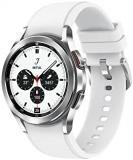
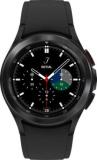
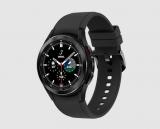
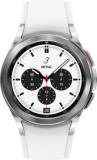
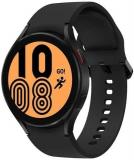
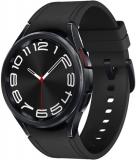
Design-wise, Samsung offered two distinct expressions to cater to different tastes. The standard the Samsung Galaxy Watch4 offered a sleek, modern aesthetic with a lightweight aluminum case. Its streamlined profile and digital bezel interaction appealed to users seeking a contemporary, sporty look. For those desiring a more traditional watch feel, Samsung’s premium Galaxy Watch4 Classic featured a rotating bezel and stainless steel construction. This physical rotating bezel, a beloved hallmark of earlier Galaxy watches, provided a tactile and precise method of navigation through menus and notifications, blending classic watchmaking interaction with cutting-edge technology.
The performance leap was powered by Samsung’s own Exynos W920 chipset, the first 5nm processor in a wearable at the time. This resulted in significantly faster app loading times, smoother animations, and overall snappier performance compared to its predecessors. Paired with the new Wear OS powered by Samsung, the interface felt fluid and intuitive. The platform integration brought Google services like Google Maps, Google Pay, and the Google Play Store directly to the wrist, greatly expanding the watch’s utility beyond Samsung’s own ecosystem, while still retaining beloved Samsung apps like Samsung Health.
Battery life was engineered for real-world use, typically lasting a full day and into the next with always-on display disabled, and about two days with more conservative settings. This balance ensured the advanced sensors and bright AMOLED display could be used actively without constant anxiety about finding a charger. The watch supported fast charging, a crucial convenience for users who could top up quickly during a morning routine or before an evening out, ensuring the device remained a reliable part of daily life.
From a software and services perspective, the Galaxy Watch4’s health ecosystem was deeply integrated. Samsung Health became a central hub, not just for step counting, but for managing sleep scores, stress levels through heart rate variability, and even tracking snoring patterns when paired with a Samsung phone. The watch could automatically detect and track numerous workouts, from running and cycling to more niche activities like dynamic hiking or high-intensity interval training. This data-rich environment empowered users with actionable insights, fostering a more informed and proactive approach to personal well-being.
The market reception solidified the Galaxy Watch4 as a benchmark. It successfully appealed to both existing Samsung Galaxy phone users and the broader Android community by resolving the app gap that had long plagued the platform. Its success laid the groundwork for the refined iterations that followed, proving that a deep integration of advanced health hardware, a unified operating system, and thoughtful design could create a category-defining product. It demonstrated that a smartwatch could be a legitimate medical insight tool, a fashion accessory, and a digital assistant without compromising on any single facet.
The legacy of the Galaxy Watch4 is its role as a unifier and an innovator. It bridged the gap between two tech giants for the benefit of the consumer, delivering a platform with immense potential. More importantly, it shifted the industry conversation toward more meaningful health metrics, moving beyond basic activity tracking to genuine physiological insights. It set a new standard for what an Android-compatible smartwatch should be鈥攑owerful, health-focused, and seamlessly connected鈥攑aving the way for a future where wearable technology is an indispensable partner in managing one’s holistic health journey.