In the mid-2010s, the smartwatch market was bifurcating into sleek fitness bands and minimalist digital faces. The Samsung Gear S3 Frontier arrived as a defiant third path, a statement piece built not for subtlety but for substance. It challenged the notion that connected watches had to be fragile or fleeting, instead presenting a vision of wearable technology as a robust, everyday tool for the modern adventurer. This was a pivotal moment for the tech giant Samsung, as it sought to define a new category of connected wristwear that could withstand the elements while delivering a full suite of smartphone-powered capabilities.
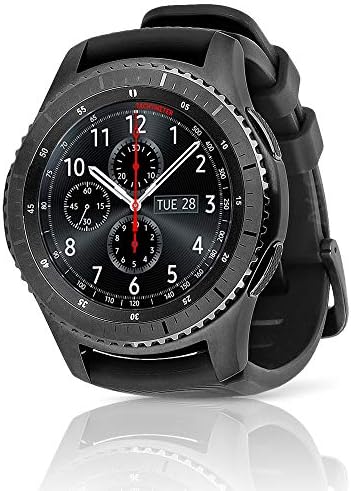
The design philosophy behind the Samsung Galaxy Gear S3 was unapologetically bold, targeting users who wanted a smartwatch that didn’t look like a miniature smartphone. The Frontier variant, in particular, embraced a militaristic aesthetic. Its 46mm stainless steel case was treated with a durable, scratch-resistant coating, exuding a tool-watch presence. The rotating bezel, a signature Tizen OS navigation element, was not just a software gimmick but a tactile, physical interface that felt satisfying to use even with gloves on. This focus on tangible interaction set it apart from touchscreen-only competitors, offering reliable control in wet or challenging conditions.
Technologically, the Gear S3 Frontier was packed with features that justified its rugged exterior. It included built-in GPS for accurate run and hike tracking without needing a paired phone, a barometer for altitude data, and a heart rate sensor for basic fitness monitoring. Perhaps its most lauded feature was the inclusion of MST (Magnetic Secure Transmission) alongside NFC for Samsung Pay. This allowed users to make contactless payments at virtually any traditional magnetic-stripe card terminal, a level of payment convenience that remains impressive. The watch operated on Samsung’s own Tizen platform, which was praised for its smooth performance and battery efficiency, often delivering two to three days of use on a single charge.
The Frontier’s display was a key component of its outdoor readiness. The 1.3-inch Super AMOLED screen was incredibly bright and vibrant, ensuring clear visibility in direct sunlight鈥攁 common failing of many early smartwatches. It was protected by Corning Gorilla Glass SR+, a formulation specifically designed for wearable devices to better resist scratches and impacts. This combination of a brilliant display and tough protection meant information was always accessible, whether checking a notification on a sunny trail or glancing at the time during a downpour.
From a connectivity standpoint, the Gear S3 Frontier offered both Bluetooth and optional LTE variants. The LTE model provided true standalone functionality, enabling calls, messages, and data streaming directly from the wrist, liberating the user from their smartphone. This independence was a major selling point for athletes, travelers, and professionals who needed to stay connected but wanted to travel light. The speaker and microphone quality were robust enough for clear conversations, further cementing its role as a standalone communication device.
The watch’s material and construction choices were deliberate. The standard silicone band was designed for comfort and sweat resistance, while the option for aftermarket leather or metal bands allowed it to transition from a workout companion to a business-casual accessory. The IP68 water and dust resistance rating provided peace of mind against rain, sweat, and submersion in shallow water, though it stopped short of being a dedicated swim-tracking device. This user-centric approach to durability and style would become a hallmark for successors like the Galaxy Watch3 and similar models.
In retrospect, the Gear S3 Frontier’s legacy is its foundational role in establishing Samsung’s design language for premium, rugged smartwatches. It proved that advanced technology and a tough, masculine aesthetic were not mutually exclusive. It appealed to a segment of users who felt underserved by the predominantly sporty or minimalist designs of the era, offering a smartwatch with the wrist presence and durability of a traditional pilot’s or field watch.
The Samsung Gear S3 Frontier stands as a milestone, a device that broadened the imagination of what a smartwatch could be. It wasn’t merely a screen for notifications but a designed object built for interaction and endurance. Its spirit lives on in the continued emphasis on rotating bezels, military-grade durability, and standalone connectivity in Samsung’s wearable lineup, reminding us that the most effective tools are those designed to seamlessly integrate into an active and demanding life.