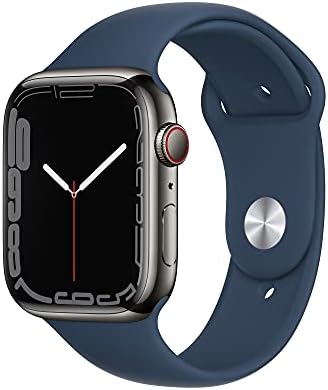
Choosing between the Apple Watch Series 7 and the Samsung Galaxy Watch5 represents a classic smartphone ecosystem dilemma. Both smartwatches are industry leaders, yet they cater to fundamentally different user experiences rooted in their respective mobile platforms. This comprehensive comparison serves as a reliable reference for anyone evaluating these flagship devices, offering clear insights based on design philosophy, health tracking capabilities, and everyday usability. Understanding these distinctions helps buyers make a confident decision aligned with their digital lifestyle.
| Feature & Selling Point | Apple Watch Series 7 | Samsung Galaxy Watch5 |
|---|---|---|
| Display Size | 41mm or 45mm | 40mm or 44mm |
| Display Type | Always-On Retina LTPO OLED | Super AMOLED |
| Peak Brightness | 1,000 nits | 1,000 nits |
| Processor / Chip | Apple S7 SiP | Exynos W920 |
| Operating System | watchOS 10 (upgradable) | Wear OS 3.5 Powered by Samsung |
| Health Sensors | Blood Oxygen, ECG, Heart Rate, Temperature Sensing | BioActive Sensor, BIA, Temperature Sensor |
| Key Health Feature | ECG & Fall Detection | Bioelectrical Impedance Analysis (BIA) |
| Battery Life (Typical) | Up to 18 hours | Up to 40 hours |
| Charging Speed | Fast Charge (0-80\% in 45 min) | Fast Charge (0-50\% in 30 min) |
| Durability | WR50 (50m), IP6X Dust Resistant | IP68, 5ATM + Sapphire Crystal |
| Unique Design Element | Largest, most crack-resistant Retina display | Sapphire crystal display, bi-directional bezel |
| Key Ecosystem | Apple Ecosystem (iPhone only) | Samsung & Android Ecosystem |
Examining the specification table, the most significant divergence lies not in maximum brightness or health sensor count, but in battery endurance and ecosystem integration. The Galaxy Watch5 offers over double the typical battery life, appealing to users who prefer fewer charges, while the Apple Watch Series 7 counters with a more integrated hardware and software experience exclusively within the Apple universe. These trade-offs directly inform the purchasing decision based on user priorities.
Design Language and Display Brilliance
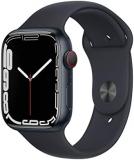
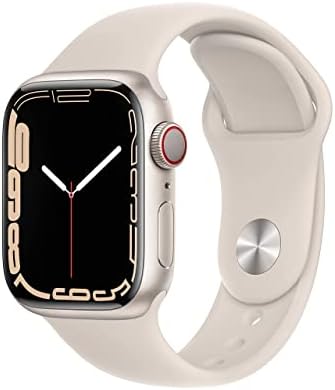
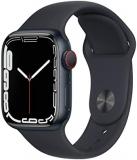
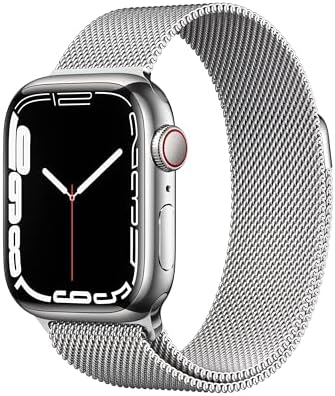
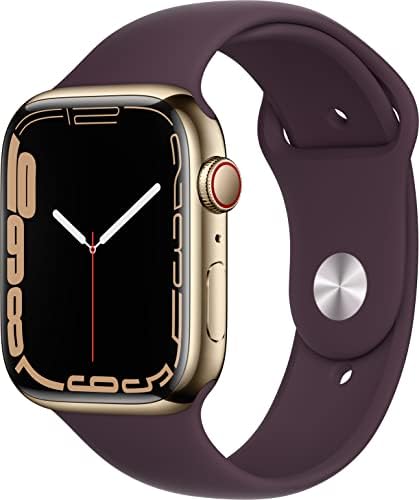
The Apple Watch Series 7 refined its signature rounded rectangular silhouette with a display that curves beautifully into the casing. This model features the largest and most advanced Always-On Retina display ever in an Apple Watch at that time, offering nearly 20 percent more screen area than the Series 6. The increased real estate is particularly beneficial for text messages and complicated watch faces. In contrast, the Galaxy Watch5 adheres to a classic circular watch design, a preference for those who find round faces more traditional or aesthetically pleasing. The Super AMOLED panel on the Samsung provides deep blacks and vibrant colors, and the inclusion of a strong sapphire crystal adds superior scratch resistance. Each design approach influences the on-wrist experience significantly.
Wearable Interaction and Physical Controls
Interaction methods further differentiate these devices. The Apple Watch Series 7 relies primarily on its exceptional touchscreen, the responsive Digital Crown, and a side button for navigation. This system is intuitive for iPhone users and heavily optimized within watchOS. The Galaxy Watch5, running Google’s Wear OS, utilizes a similar touch-centric interface but pairs it with two physical buttons on the right edge. While it lacks a rotating bezel found on the Galaxy Watch4 Classic, the touch-sensitive bezel option (on the digital bezel model) offers precise scrolling in menus. Power users often appreciate the familiar, almost traditional watch-like feel of Samsung’s combination.
Health and Fitness Monitoring Capabilities
Both smartwatches emerge as robust health companions, yet each focuses on different metrics. The Series 7 ecosystem, when paired with services like the Apple Health app, provides a comprehensive suite featuring a blood oxygen sensor, an electrical heart sensor capable of taking an ECG, and cycle tracking with retrospective ovulation estimates. The inclusion of Fall Detection and Emergency SOS transforms the watch into a safety device. For those exploring the Apple Watch SE, which shares many safety features, the Series 7 remains a top choice for the health-conscious. These features have become a hallmark of modern wearable wellness.
The Galaxy Watch5 counters with Samsung’s enhanced BioActive Sensor, which notably includes Bioelectrical Impedance Analysis (BIA). This function measures body composition metrics like skeletal muscle mass, body fat percentage, and water retention, a unique feature unavailable on the Apple Watch. Combined with continuous heart rate monitoring and sleep staging, the Galaxy Watch5 appeals to users deeply invested in gym performance and body composition tracking. Like many top-tier smartwatches, its V02 Max and stress tracking align perfectly with Samsung’s ecosystem. The choice here often depends on whether a user prioritizes ECG and fall alerts or body composition data.
Performance, Software, and Daily Experience
Chipset performance in both watches ensures smooth daily task switching. The Apple S7 SiP delivers fluid animations within watchOS, while the Exynos W920 on the Samsung provides snappy responsiveness for Wear OS apps. The critical difference surfaces in the software ecosystems. watchOS remains deeply integrated with iMessage, Apple Health, and the App Store, creating a seamless closed loop for iPhone users. Conversely, Wear OS on Samsung smartwatches like the Galaxy Watch5 offers deeper support for Google services such as Maps, Assistant, and Google Wallet, alongside tight Samsung Health integration. For Android users, the Samsung provides a superior, unified experience not available on the Apple Watch.
Like the Apple Watch Series 8, the Series 7 provides fast charging that boosts from zero to 80 percent in about 45 minutes, making it easy to charge briefly during a morning routine. However, the battery life falls short of the Galaxy Watch5, which lasts almost two full days under typical usage. The practical implication is charging frequency: Galaxy Watch5 users may charge every other night, whereas Apple Watch users typically create a daily charging habit. Both watches support wireless charging, but convenience relies heavily on the user’s charging schedule.
Platform Compatibility and Final Verdict
The overarching deciding factor is the smartphone brand. The Apple Watch Series 7 requires an iPhone, making it an automatic choice for Apple loyalists looking for seamless integration with AirPods, Apple Pay, and Mac unlock features. The Galaxy Watch5, conversely, works best with Samsung Galaxy phones but remains compatible with other Android devices, often offering a smoother experience with Google apps. No smartwatch can bridge the gap to a competing ecosystem entirely. The Galaxy Watch5 for Android users represents the gold standard of Wear OS, while the Apple model remains synonymous with the iPhone.
Making the Right Choice
Deciding between the Apple Watch Series 7 and the Samsung Galaxy Watch5 boils down to a personal ecosystem allegiance and specific feature priorities. For users fully embedded in Apple’s world who desire a refined, secure, and health-focused wearable tied to their iPhone, the Series 7 stands out as an exceptional companion. The Apple wearable lineup offers something for every lifestyle, with the Series 7 representing a peak in display technology and safety features. For Android and Samsung users who prioritize longer battery life, advanced body composition analysis, and a classic round watch aesthetic, the Galaxy Watch5 offers a compelling, well-rounded alternative. Both devices represent the pinnacle of their respective platform’s wearable technology, proving that the best smartwatch is the one that fits not just the wrist, but the entire digital life.