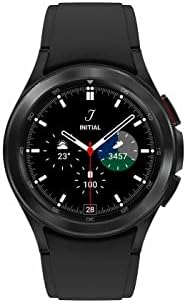
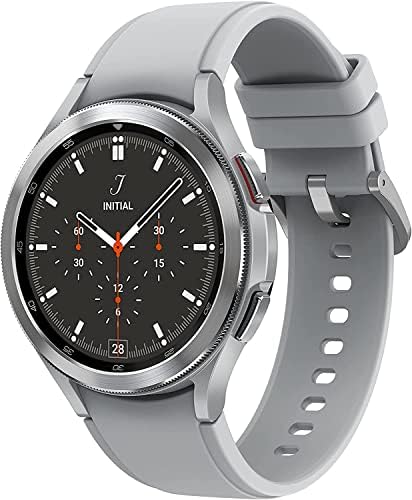
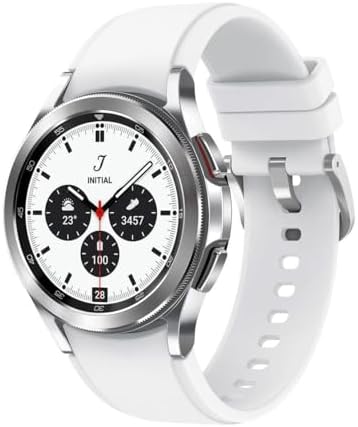
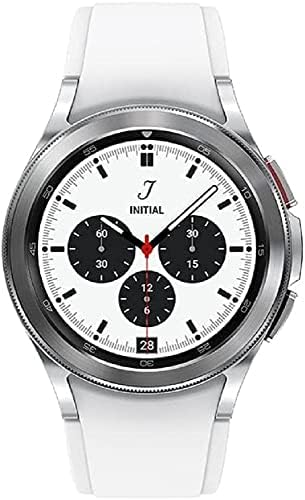
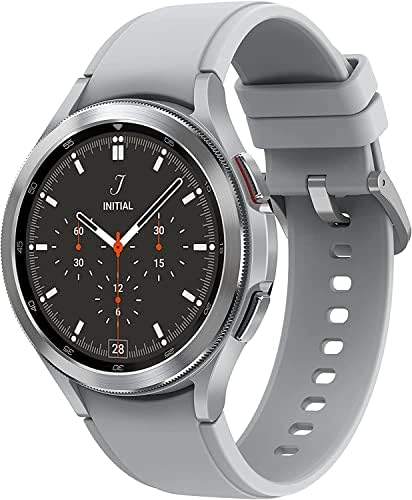
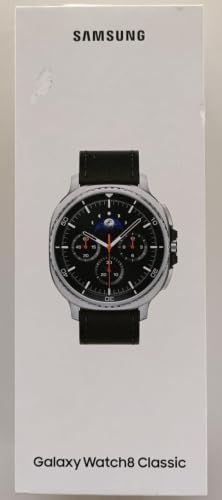
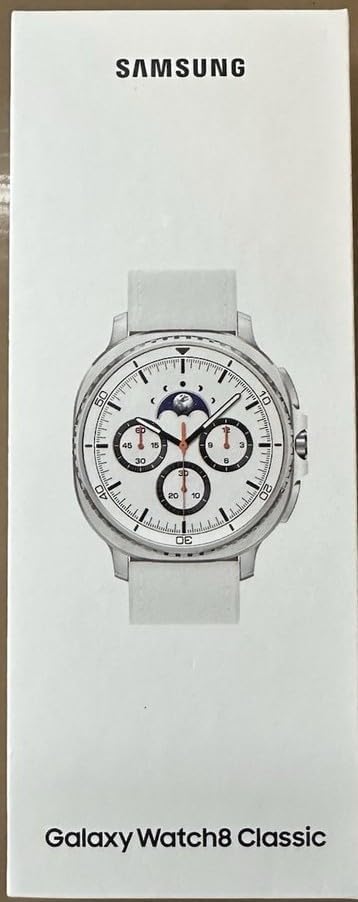
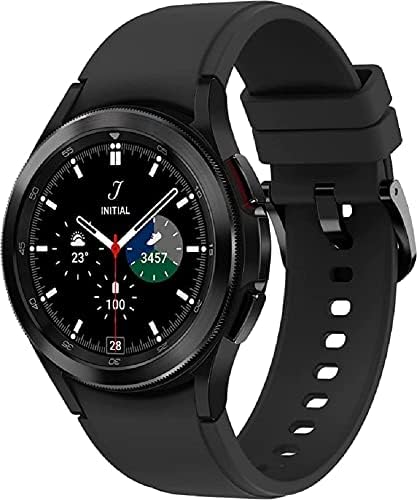
The Samsung Galaxy Watch4 Classic arrived not merely as another smartwatch iteration but as a foundational statement, merging the tactile satisfaction of traditional watchmaking with the boundless potential of a digital platform. Its defining feature, the physically rotating bezel, provided an intuitive and premium method of navigation that felt distinctly separate from the touchscreen-dominated market. This marked a significant step for the entire ecosystem of the leading Samsung wearables, setting a new standard for integration.
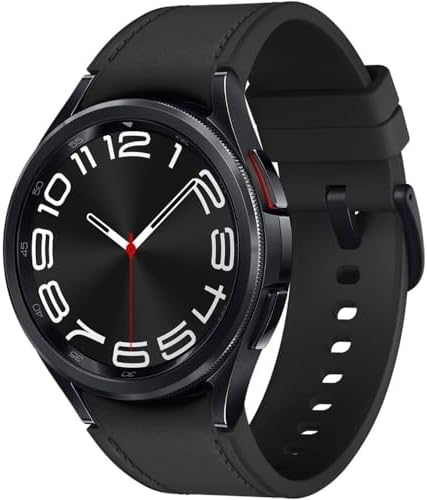
Encased in durable stainless steel, the Galaxy Watch4 Classic projected an aura of sophistication often absent in fitness-first devices. The available 42mm and 46mm sizes catered to different wrist profiles, while the crisp Super AMOLED display, protected by sapphire crystal on certain models, delivered vibrant visuals under any lighting. This design philosophy, which prioritizes timeless aesthetics over fleeting trends, would become a hallmark for later models like the Samsung Galaxy Watch6 Classic.
Beneath its classic exterior lay a technological revolution: the debut of Wear OS Powered by Samsung. This joint venture with Google replaced the aging Tizen OS, unlocking access to a vastly expanded library of apps through the Google Play Store. The transition was seamless for users, combining Samsung’s optimized One UI Watch interface with Google’s robust app ecosystem and services like Google Maps, Google Pay, and Assistant, creating a more versatile and familiar smartwatch experience.
Health and fitness tracking received a monumental upgrade with the introduction of the BioActive Sensor. This single, compact chip combined an Optical Heart Rate sensor, Electrical Heart Sensor for ECG readings, and a Bioelectrical Impedance Analysis sensor. The BIA sensor was a game-changer, enabling body composition analysis directly from the wrist, measuring metrics like skeletal muscle mass, body fat percentage, and body water. This provided users with insights previously confined to specialized scales or medical equipment.
Sleep tracking was equally sophisticated, offering detailed breakdowns of sleep stages and providing a Sleep Score alongside actionable coaching. The watch continuously monitored heart rate and could automatically detect and log workouts, from running and cycling to dynamic sessions like HIIT. For users with more extreme outdoor or fitness demands, Samsung’s rugged Galaxy Watch5 Pro offered a more durable titanium build and enhanced GPS features.
Performance was driven by the Exynos W920 chipset, the first 5nm processor in a wearable at the time. This provided a noticeable leap in speed and efficiency, ensuring smooth animations, fast app launches, and responsive navigation via the rotating bezel or touchscreen. The improved efficiency also contributed to reliable all-day battery life, typically lasting over a full day with always-on display disabled, easing the charging anxiety common with earlier smartwatches.
The true genius of the Galaxy Watch4 Classic was its deep integration within the Samsung Galaxy ecosystem. It served as a remote viewfinder and controller for the phone’s camera, could unlock a compatible Samsung laptop, and seamlessly managed smartphone notifications, calls, and music playback. This created a cohesive digital experience where the watch felt less like an accessory and more like a natural extension of the user’s primary device.
In the landscape of Android-compatible smartwatches, the Galaxy Watch4 Classic carved out a unique position. It offered the app flexibility and cohesive Google integration that many Wear OS watches promised but delivered it with a level of hardware polish, intuitive navigation, and advanced health sensing that was unmatched. It appealed to professionals who valued its elegant design for the boardroom and its comprehensive tracking for the gym, proving that a smartwatch did not have to sacrifice style for capability.
The legacy of the Galaxy Watch4 Classic is one of convergence and elevation. It demonstrated that advanced health metrics and powerful smart features could be housed in a package that respected horological design principles. It set a benchmark for what a premium Android smartwatch should be, influencing the design language, feature sets, and user experience expectations for all subsequent models in the Galaxy Watch lineage, cementing its role as a pivotal chapter in the evolution of the modern connected timepiece.