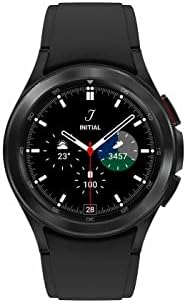
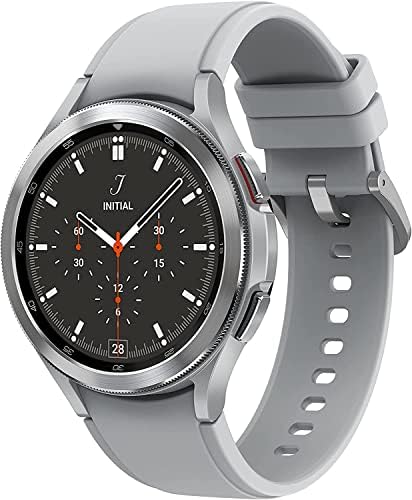
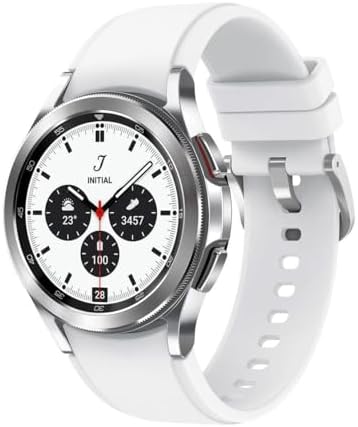
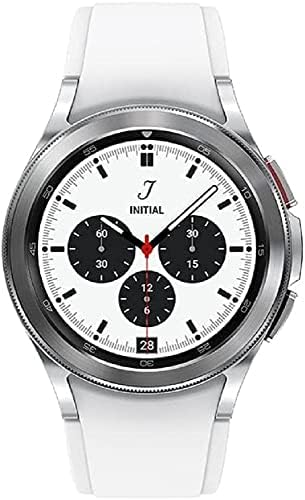
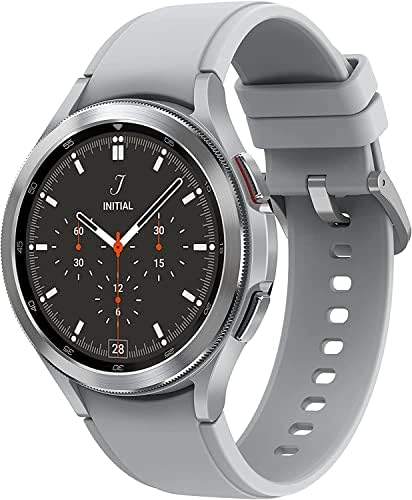
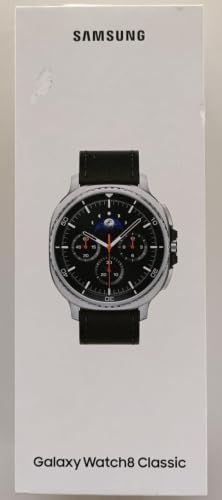
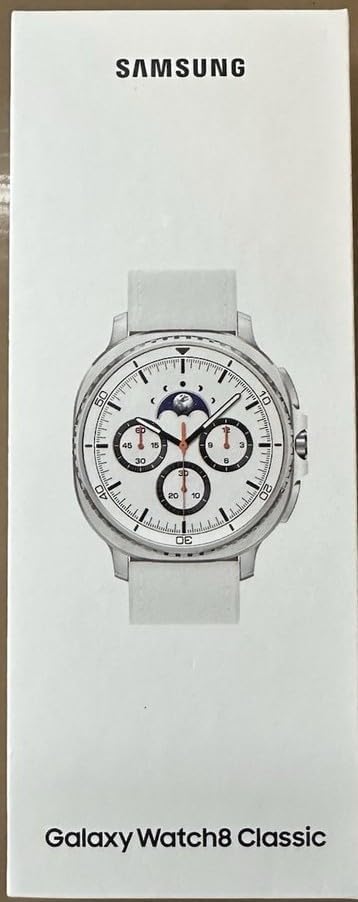
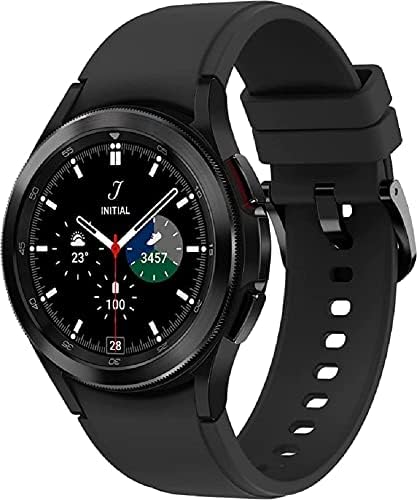
The return of the physical rotating bezel on the Samsung Galaxy Watch4 Classic marked a significant moment for smartwatch enthusiasts who value tactile interaction. Unlike fully touch-centric models, this device reinstated a beloved navigation method that allows users to scroll through menus and notifications with a satisfying mechanical click. The integration of this classic hardware element into a modern connected ecosystem sets it apart from many competitors, offering a sense of familiarity to those transitioning from traditional timepieces while delivering the full suite of contemporary smart features.
Under the stainless steel exterior lies a powerful Exynos W920 processor, a dual-core chip built on a 5-nanometer process that delivers a 20 percent improvement in CPU performance and a tenfold boost in graphics capabilities compared to its predecessor. This hardware foundation ensures smooth operation of the Wear OS platform co-developed with Google, providing seamless access to a growing library of third-party applications directly from the wrist. The inclusion of 1.5 gigabytes of RAM and 16 gigabytes of internal storage allows users to store music, download apps, and run multiple processes without noticeable lag.
The health monitoring capabilities represent a major leap forward for Samsung’s wearable lineup. The BioActive Sensor combines optical heart rate, electrical heart signal, and bioelectrical impedance analysis into a single compact module. This allows the device to measure blood oxygen saturation, detect irregular heart rhythms, and estimate body composition metrics such as skeletal muscle mass and body fat percentage. For fitness enthusiasts, the built-in GPS tracks outdoor activities with precision, while over 90 workout modes automatically detect and record various exercises ranging from running to swimming, thanks to its 5ATM water resistance rating.
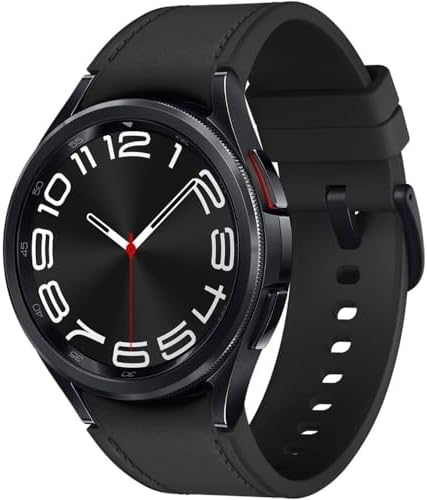
One of the most compelling arguments for choosing this model is its distinctive aesthetic language that bridges horological tradition and digital utility. The 46-millimeter variant features a circular Super AMOLED display protected by Corning Gorilla Glass DX+, offering sharp visuals with a resolution of 396 by 396 pixels. The physical bezel, reminiscent of classic dive watches, adds a layer of visual depth that flat-screen smartwatches cannot replicate. When comparing it to other offerings in the Samsung ecosystem, such as the Samsung Galaxy Watch6, the Classic model appeals strongly to users who prioritize traditional watch aesthetics alongside modern functionality.
The software experience is equally refined, running One UI Watch 3 on top of Wear OS 3. This combination allows for deep integration with Galaxy smartphones, including seamless connection to Samsung Health, Samsung Pay, and SmartThings. Users can respond to messages using voice dictation, a full QWERTY keyboard, or preset quick replies. Google services such as Maps, Assistant, and Play Store are pre-installed, ensuring the device functions as a standalone hub for productivity and navigation. The inclusion of LTE connectivity on certain variants enables calls and data streaming without requiring a phone nearby.
Battery performance remains a critical consideration for any smartwatch, and the Galaxy Watch4 Classic addresses this with a 361 milliampere-hour cell that typically provides up to two days of usage under moderate conditions. Charging is facilitated through a proprietary wireless cradle that reaches full capacity in approximately two hours. While heavy GPS usage or always-on display settings will reduce runtime, the device’s efficient processor and adaptive power management help extend usability throughout a busy day.
Durability is another area where this model excels, featuring MIL-STD-810G certification for resistance against extreme temperatures, humidity, and shock. The stainless steel case, combined with a scratch-resistant bezel, ensures the watch maintains its premium appearance even after prolonged exposure to demanding environments. For those seeking a similar design philosophy with updated specifications, exploring the Samsung Galaxy Watch6 Classic reveals how Samsung refined the formula in subsequent generations.
The material selection extends to the interchangeable bands, which utilize a standard 20-millimeter lug system compatible with countless third-party straps. This allows owners to personalize their watch for any occasion, switching from a silicone band for workouts to a leather option for formal events. The combination of timeless design elements with flexible customization options enhances the long-term appeal of the device.
Software updates have continued to expand functionality, with Samsung delivering regular security patches and feature enhancements. The integration of Google’s ecosystem ensures compatibility with a wide range of apps, from Spotify for offline music playback to Strava for detailed activity analysis. The device also supports contactless payments through both Samsung Pay and Google Wallet, providing convenience for everyday transactions.
For potential buyers weighing their options within the Samsung portfolio, understanding the distinctions between models is essential. While the Samsung Galaxy Watch4 offers similar core features in a lighter, more sport-oriented package, the Classic version differentiates itself through the rotating bezel and premium stainless steel construction. This trade-off between weight and tactile experience becomes a deciding factor for those who value the physical interface.
The legacy of the rotating bezel extends beyond mere aesthetics, providing a practical advantage in wet or gloved conditions where touchscreens become unreliable. Skiers, divers, or outdoor workers particularly benefit from this physical control method. Samsung’s decision to reintroduce this feature after the Galaxy Watch3 demonstrated a willingness to listen to consumer feedback, reinforcing brand loyalty among traditional watch enthusiasts.
As the smartwatch market continues to mature, the Galaxy Watch4 Classic remains a benchmark for how heritage design can coexist with cutting-edge technology. Its influence can be seen in subsequent models like the Samsung Galaxy Watch Ultra, which further pushes boundaries in ruggedness and performance. This continuity within the product line underscores Samsung’s commitment to serving diverse user needs, from fitness-focused individuals to style-conscious professionals.
The enduring appeal of this device lies in its ability to serve as both a capable fitness companion and a refined accessory. The balance between comprehensive health tracking, seamless connectivity, and a design language rooted in watchmaking tradition creates a compelling package that transcends typical smartwatch limitations. For anyone seeking a device that respects the past while embracing the future, this model continues to represent a thoughtful choice.