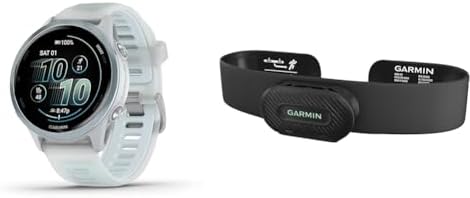
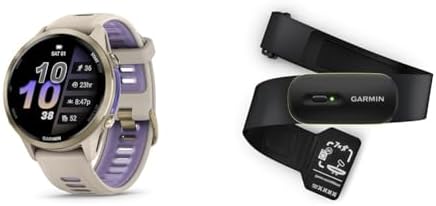
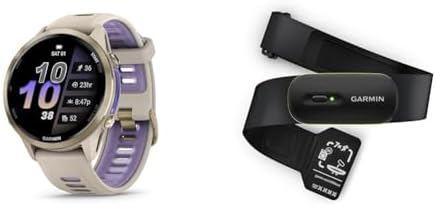
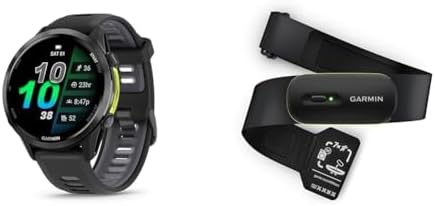
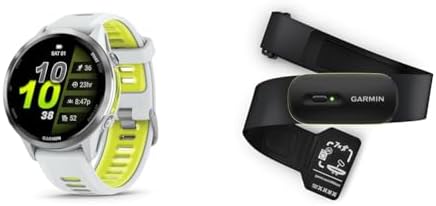
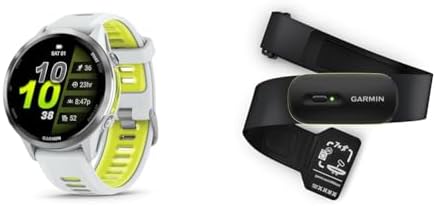
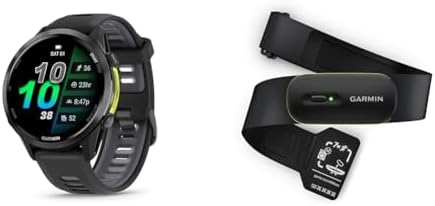
The Garmin Forerunner 255 arrives as a data-centric powerhouse, packing an array of advanced physiological metrics and multi-band GNSS positioning into a watch designed explicitly for the dedicated runner. Its specifications sheet reads less like a simple feature list and more like a coach’s playbook, offering insights into performance, recovery, and readiness that were once reserved for laboratory testing. For runners seeking a comprehensive training tool without the premium price tag of Garmin’s flagship Fenix series, the Forerunner 255 presents a compelling alternative.
Central to its appeal is the inclusion of Garmin’s latest Elevate Gen 4 optical heart rate sensor. This hardware upgrade allows for the calculation of advanced metrics like Heart Rate Variability (HRV) status, a key indicator of autonomic nervous system balance and overall stress. By tracking HRV overnight, the watch provides a daily Morning Report with a readiness score, advising whether to push hard or prioritize recovery. This focus on accessible, high-performance technology is a hallmark of the top Garmin selection.
Navigation and positioning receive a significant boost with multi-band GNSS support. This technology allows the watch to receive signals from multiple satellite constellations (GPS, GLONASS, Galileo) on multiple frequencies, dramatically improving accuracy in challenging environments like dense urban canyons or thick forest trails. The spec sheet confirms a battery life of up to 14 days in smartwatch mode, or 30 hours in GPS mode with multi-band enabled, ensuring it can handle the longest ultra-marathon training sessions.
For triathletes and multi-sport enthusiasts, the specifications detail comprehensive support for swimming, cycling, and running. It features built-in profiles for pool and open-water swimming with advanced swim metrics like SWOLF scores. For cycling, it supports connectivity with external sensors like power meters and radar lights via ANT+ and Bluetooth. The watch’s internal memory can store up to 500 songs for offline listening, and with Garmin Pay support, runners can leave their wallet behind.
The data-rich ecosystem surrounding the Garmin Forerunner 255 transforms raw metrics into actionable insights. The Garmin Connect app serves as a central hub, where data from every run is synthesized into performance condition reports, training load focus, and race time predictions. The watch also integrates with popular third-party apps like Strava and TrainingPeaks, creating a seamless flow of information for athletes who manage their training across platforms.
Beyond pure running, the watch includes health and wellness features that round out its daily utility. It monitors Pulse Ox for blood oxygen saturation during sleep, tracks respiration and stress levels throughout the day, and provides women’s health tracking. The always-on 1.3-inch display is protected by Corning Gorilla Glass 3 and offers excellent visibility in all lighting conditions, housed in a fiber-reinforced polymer case that keeps the weight under 50 grams.
The introduction of these specs marks a democratization of high-end athletic technology. Features that defined Garmin’s previous generation of premium watches are now accessible in a more focused, running-first package. It challenges the notion that advanced biometrics and robust navigation are luxuries, positioning them instead as essential tools for any athlete committed to structured improvement.
Ultimately, the Garmin Forerunner 255 is engineered not just to record workouts, but to foster a deeper understanding of the body’s capabilities and limits. It represents a shift towards intelligent training, where data guides decisions and empowers runners to achieve their personal best with greater efficiency and reduced risk of injury.