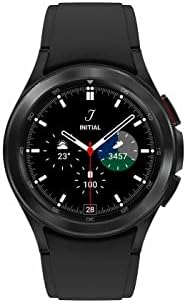
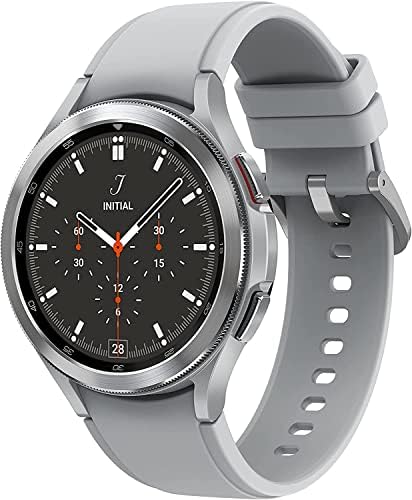
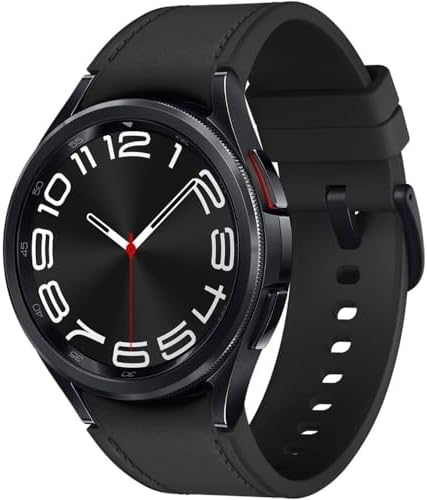
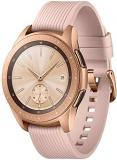
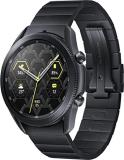
The return of a physical rotating bezel on a modern smartwatch signals a deliberate effort to honor what long-time enthusiasts value, while simultaneously pushing into new territory. The Samsung Galaxy Watch4 Classic achieves exactly that, merging a legacy design cue with the powerful capabilities of Wear OS to create a device that feels both familiar and forward-thinking.
This model distinguishes itself through a thoughtful combination of material choice and interface logic. The stainless steel case not only provides a sense of substance on the wrist but also acts as a durable canvas for daily wear. By retaining the rotating bezel, users gain a tactile and intuitive way to navigate menus, reject calls, or scroll through notifications without smudging the display. It is a deliberate design decision that sets this variant apart from standard round smartwatches and provides a unique interaction layer that touchscreens alone cannot replicate.
Design Philosophy and Material Integrity
From the first glance, the Galaxy Watch4 Classic communicates a different intention than many of its sleek, minimalist counterparts. The lug geometry integrates smoothly with a variety of band options, and the crown is positioned for comfortable thumb access regardless of handedness. The material choice extends beyond mere aesthetics; the stainless steel is resistant to minor impacts and scratches, ensuring the watch maintains its refined appearance over extended use.
Considering newer additions to the Samsung lineup, like the Galaxy Watch8 Classic, this variant’s bezel implementation serves as a key differentiator. While later models refine screen technology and chip efficiency, this generation set the template for how a heritage interface element could be successfully digitized. The haptic feedback from the bezel mimics a mechanical detent, providing reassuring confirmation with each turn. This attention to industrial design elevates the watch beyond a mere fitness accessory into a piece of personal kit that invites interaction.
Sensors and Health-Tracking Capabilities
The bio-active sensor array housed beneath the watch represents a significant leap in wearable health monitoring. Utilizing a single optical module, the device measures heart rate, blood oxygen saturation, and stress levels with a speed that makes spot-checking feel seamless. The addition of bioelectrical impedance analysis (BIA) allows a more granular understanding of body composition, including skeletal muscle mass, basal metabolic rate, and body fat percentage. This information turns a vague fitness goal into a data-driven conversation.
Sleep tracking has also been refined through the integration of Wear OS. The watch monitors sleep stages continuously and provides a nightly sleep score that correlates with subjective rest quality. Combined with snore detection via the phone’s microphone, users receive a holistic view of their recovery. For anyone serious about understanding how daily activities affect long-term wellness, the sensor suite on the Watch4 Classic offers a level of depth that was previously reserved for dedicated medical-grade wearables.
Software Ecosystem and Daily Performance
The transition to Wear OS powered by Samsung marked a pivotal moment for the platform. Google’s suite of apps, from Google Maps to Google Pay, operates natively on the watch, reducing reliance on a companion phone. This integration means navigation prompts appear on the wrist during commutes, and contactless payments are completed with a quick double-press of the home button. The unified notification system handles incoming calls, messages, and third-party alerts without noticeable lag.
Upgrading from an earlier model often involves adapting to a software experience similar to the Galaxy Watch8, though the core experience remains consistent. App loading times are snappy, and the 1.4-inch Super AMOLED display offers deep blacks and vibrant colors that make watch faces pop. The always-on display mode preserves the watch face legibility without draining the battery excessively during a standard day. Seasonal firmware updates have consistently improved motion tracking and added new watch face complications, extending the device’s longevity well beyond the initial purchase cycle.
Battery Endurance and Charging Realities
With a typical configuration involving continuous heart rate monitoring and notifications enabled, the Watch4 Classic provides a full day of use comfortably. A thirty-minute charge in the morning from a depleted state generally returns enough power to cover a morning workout and a full workday. Heavy usage days involving GPS tracking for outdoor runs or golfing will necessitate a top-up before bed, but the quick charging protocol minimizes downtime.
The battery life performance aligns well with most users’ daily charging habits, slotting into a routine similar to topping up a smartphone overnight. For those who prefer lighter use, disabling the always-on display and reducing screen timeout can stretch the charge into a second day. This flexibility makes the device suitable for both high-engagement tracking and passive daily wear, depending on the user’s activity preferences.
Comparing the Classic Variant Within the Ecosystem
Within the broader Samsung wearable family, the Classic sits between the standard Galaxy Watch4 and the more rugged Watch5 Pro. The physical bezel is the most obvious distinguishing feature, but other subtle changes affect the daily wear experience. The Classic’s case dimensions are more traditional, resulting in a profile that slides easily under a formal shirt cuff. When placed side-by-side with the Galaxy Watch6 for daily fitness tracking, the Classic bezel retains a premium tactile feedback that newer models streamlined into a digital touch interface, offering a different interaction philosophy that certain collectors prefer.
The material choice of stainless steel over aluminum adds approximately twenty grams to the overall weight, which imparts a reassuring heft that some users associate with classic tool watches. This weight difference, while minimal, contributes to a more stable feel during vigorous movement, reducing the likelihood of the watch spinning on the wrist during heavy activity. From an aesthetics standpoint, the polished steel bezel catches light differently than brushed finishes, making the Classic suitable for both the gym and the boardroom without appearing out of place.
Well-timed firmware updates have continued to enhance the health-tracking algorithms, refining step counting and heart rate zone detection for improved accuracy. The integration with Samsung Health creates a unified health log that includes blood pressure monitoring (where regulatory approval exists) and ECG measurements, bridging the gap between casual fitness tracking and proactive health management. These features, combined with the rotating bezel’s intuitive interface, make the Watch4 Classic a compelling entry point for users who value both form and function in a smartwatch.