Choosing between the Fitbit Charge 5 and the Fitbit Versa 3 can feel like a genuine dilemma for fitness enthusiasts. Both devices come from a trusted lineage of health wearables, yet they cater to distinctly different preferences in form and function. The Charge 5 excels as a streamlined, band-style fitness tracker, while the Versa 3 offers the versatility of a full-featured smartwatch. This detailed comparison examines their core differences, design philosophies, and unique strengths, providing a transparent guide to help make the right purchase decision. For those exploring options across the wider Fitbit ecosystem, understanding the nuanced trade-offs between a dedicated tracker and a smartwatch is essential.
| Feature & Selling Point | Fitbit Charge 5 | Fitbit Versa 3 |
|---|---|---|
| Form Factor | Slim fitness band with color touchscreen | Large square smartwatch with physical button |
| Display | AMOLED color touchscreen (1.04 inches) | AMOLED color touchscreen (1.58 inches) |
| GPS | Built-in GPS + GLONASS | Built-in GPS + GLONASS |
| Health Sensors | EDA scan, ECG app, SpO2, heart rate, skin temperature | EDA scan, SpO2, heart rate, skin temperature (no ECG) |
| Smart Features | Notifications, alarm, timer, weather | Notifications, music controls, voice assistant, contactless payments |
| Music Experience | Music control only | Downloadable music + music control |
| Battery Life | Up to 7 days | Up to 6 days |
| Water Resistance | 50 meters (swim-proof) | 50 meters (swim-proof) |
| Always-On Display Option | Yes | Yes |
| Stress Management | Daily Readiness Score + EDA | EDA scan + guided breathing |
| Contactless Payments | No | Fitbit Pay |
| Sleep Tracking | Advanced with Sleep Score + Smart Wake | Advanced with Sleep Score + Smart Wake |
| Best For | Health-first tracker; stress tracking prioritization | Smartwatch experience; music storage and payments |
The table clarifies that while both devices share core health metrics like built-in GPS, SpO2, and swim-proof design, the Charge 5 leads with the ECG app and EDA sensor for advanced stress management. Meanwhile, the Versa 3 stands out with its larger display, onboard music storage for phone-free runs, Fitbit Pay, and integrated voice assistant, making it a stronger all-day smartwatch companion. These fundamental differences point to two distinct user profiles.
Design and Wearability: Band Versus Watch
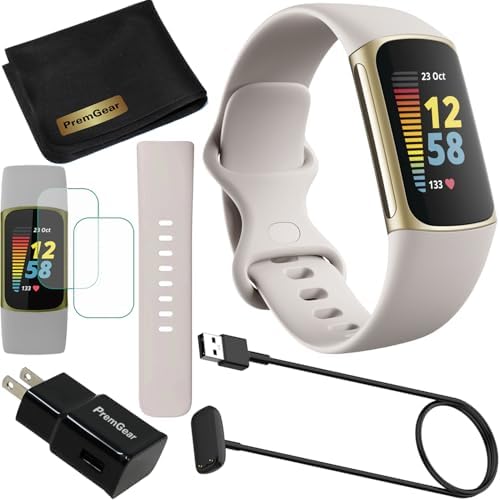
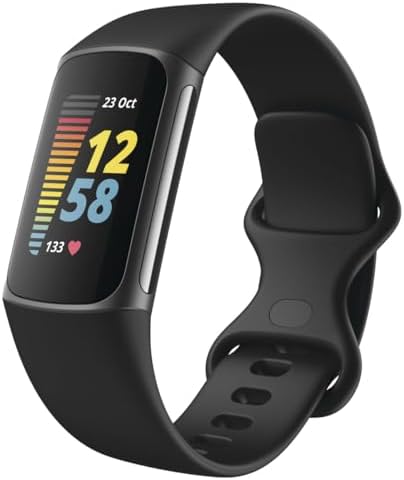
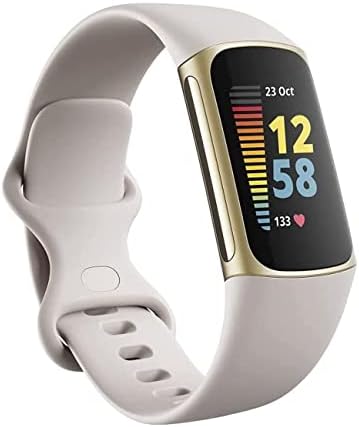
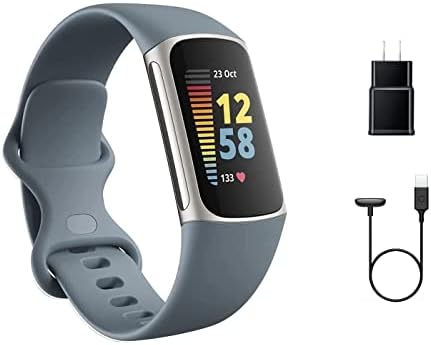
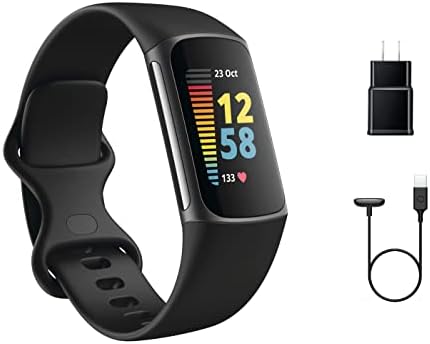
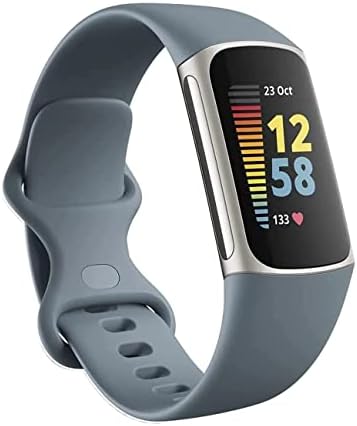
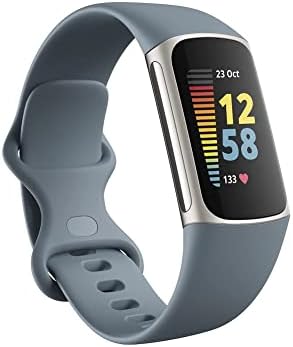
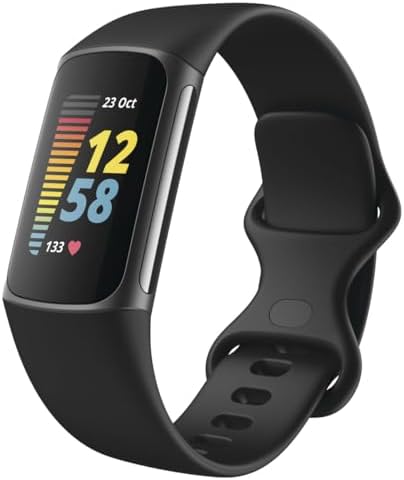
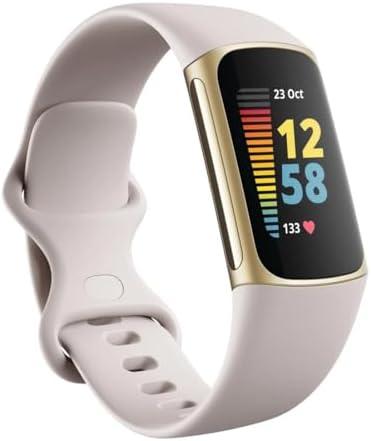
The most immediate difference lies in the physical form. The Fitbit Charge 5 adopts a sleek, curved band-style design with a touchscreen that wraps around the wrist. Its silhouette is slim and discreet, sliding easily under a shirt cuff without snagging. The silicone strap is breathable and comfortable for both daytime wear and overnight sleep tracking. The color AMOLED display is vibrant, but its smaller size (1.04-inch diagonal) limits on-screen information. The device feels lightweight and almost disappears on the wrist, an appealing trait for those who dislike bulky gear.
In contrast, the Fitbit Versa 3 commands more wrist real estate with a 1.58-inch AMOLED display and a wider, squarer case. It includes a physical haptic button on the side for navigation, which offers a tactile shortcut during workouts. The removable bands use a proprietary quick-release mechanism, enabling easy style swaps. The Versa 3 is bulkier and heavier, which some users welcome as a traditional watch feel, while others may find it intrusive during sleep or intense exercise. Deciding on comfort here truly depends on whether a fitness band or a full smartwatch aesthetic suits one’s daily routine.
Health Tracking Capabilities: A Focus on Stress and Heart Health
The Charge 5’s Advanced Health Suite
The Fitbit Charge 5 integrates the most advanced health sensor array of the two. It features an electrodermal activity (EDA) sensor that measures minute changes in skin temperature and sweat response, correlating directly with stress levels. Alongside this is the ECG app, which enables on-wrist electrocardiogram readings to detect signs of atrial fibrillation. These tools work in tandem with the Daily Readiness Score, which assesses sleep quality, heart rate variability, and activity levels to suggest whether the user should work out or prioritize recovery. This health-first approach makes the Charge 5 an exceptionally capable tool for managing overall well being.
The Versa 3’s Capabilities and Limitations
The Versa 3 also provides robust health tracking, including continuous heart rate, SpO2 monitoring, skin temperature variation tracking, and guided EDA breathing sessions. However, it lacks the dedicated ECG app and the passive EDA sensor found on the Charge 5. For users specifically interested in stress analytics and detection of heart rhythm irregularities, the Charge 5 holds a clear advantage. The Versa 3 remains a superb fitness companion but focuses its health observations through the lens of a broad smartwatch experience rather than a specialized health compact. Both devices track Active Zone Minutes effectively, and the built-in GPS on each allows for accurate outdoor route mapping without needing a phone nearby.
Smart Features: Calls, Payments, and Music
The Versa 3 was built from the ground up to act as a genuine smartwatch extension. A user can take and make phone calls directly from the wrist using its microphone and speaker. The device supports Fitbit Pay for contactless transactions, stores up to several hundred songs for offline playback, and allows music control of streaming apps. It also features an integrated Google Assistant or Alexa for voice commands, such as setting timers or checking the weather forecast. These smart features transform the Versa 3 into a semi-independent device that thrives during a phone-free workout or a quick trip to the store. For users who value this level of independence, exploring a smartwatch like the Fitbit Versa 4 for advanced connectivity may provide even more modern features.
The Charge 5, by comparison, focuses strictly on health and notification mirroring. It streams call, text, and calendar notifications but does not allow call answering or music storage. It also omits Fitbit Pay, requiring the user to have their phone and wallet alongside. For users who prioritize a lightweight and distraction-free health band, this simplicity is a strength. Those who want the convenience of leaving their phone behind while still having music, payments, and voice commands will gravitate naturally towards the Versa 3.
Battery Life and Daily Usability
The Charge 5 delivers outstanding battery longevity, rated at up to 7 days on a single charge with standard use and always-on display turned off. This extended duration ensures minimal time attached to a charger and maximum wear on the wrist. The Versa 3 comes slightly shy at around 6 days in smartwatch mode and about 5 days with heavier use. Both devices charge quickly using a proprietary magnetic clasp charger. Nothing here fundamentally changes the user experience beyond charging frequency preference; however, the extra day of autonomy on the Charge 5 appeals to users who dislike weekly charging interruptions on a schedule.
Price and Long-Term Value Consideration
Generally, the Fitbit Charge 5 sits at a lower price tier than the Versa 3, reflecting its form factor and omission of certain smartwatch features. The savings can be significant, especially when one considers the advanced health sensors it still offers. A health-focused user who does not require call handling or music storage finds strong value in the Charge 5. The Versa 3 commands a premium for its smarter set of offerings, downloadable apps, voice support, and larger display. Over time, the Versa 3 proves a worthwhile investment for users who seamlessly combine daily fitness tracking with constant connectivity. For those considering a more modern tracker with a similar focus on style, the Fitbit Luxe for style-focused tracking offers an alternative path.
Making the Decision: Which Fitbit Fits Your Wrist?
Deciding between these two excellent wearables comes down to a simple question of priorities. If the primary goal is to dive deeply into health data like stress management, body response, and ECG readings while wearing an ultra-light band that lasts close to a week, the Fitbit Charge 5 stands as the most compelling choice. Its advanced biometric suite positions it almost as a medical-grade companion inside a fitness band.
On the other hand, if the goal expands beyond health metrics to include phone handling during runs, offline music, map navigation, and contactless payments, the Fitbit Versa 3 watch delivers a more complete everyday companion experience. Its larger screen feels more like a wrist computer, ready for both deep dive fitness analysis and seamless interruption management throughout the day. Both devices continue receiving software support, so each remains relevant years after purchase, but the choice hinges on the marriage between form and comprehensive function.
Exploring the wider range of Fitbit products provides further context. The lineup includes both trackers like the Charge 5 for health-first tracking and smartwatches like the Versa 3 for the latest features. For those unsure about the smartwatch form factor, the Fitbit Sense for health insights provides a useful reference point. Understanding how the Charge 5 and Versa 3 fit within that spectrum guides the buyer toward the device that truly matches their lifestyle.