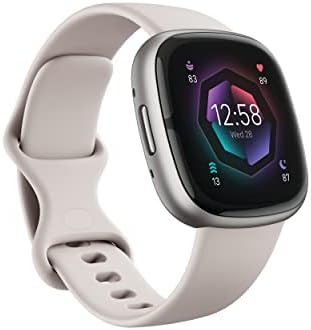
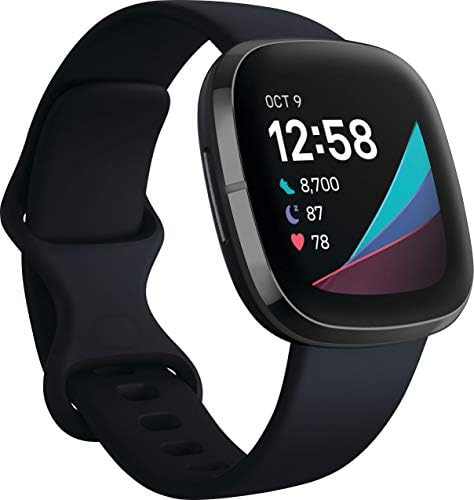
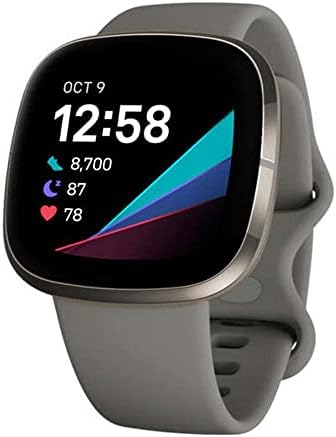
Choosing between the advanced smartwatch capabilities of the Fitbit Sense and the streamlined fitness tracker design of the Charge 5 presents a common dilemma for health-conscious individuals. Both devices offer exceptional health monitoring from Google’s Fitbit family, yet they cater to distinctly different user needs and preferences. This comprehensive comparison provides a data-driven evaluation of their core specifications, unique strengths, and target audiences, serving as a professional guide for making an informed purchase decision worth bookmarking for future reference.
| Feature & Selling Point | Fitbit Sense | Fitbit Charge 5 |
|---|---|---|
| Form Factor | Full Smartwatch (Color AMOLED, 1.58″) | Fitness Tracker (Color AMOLED, Pill-Shape) |
| Sensors | Heart Rate, SpO2, EDA (Skin Conductance), Skin Temperature, 3-axis Accelerometer, Gyroscope, Altimeter, Ambient Light, Microphone | Heart Rate, SpO2, EDA, 3-axis Accelerometer, Ambient Light, Altimeter |
| Key Feature | On-wrist Skin Temperature Sensor & Built-in GPS + GLONASS | Built-in GPS + GLONASS |
| Stress Management | cEDA + Daily Stress Score & EDA Scan App | EDA Scan App |
| Health Metrics | AFib Detection, High/Low Heart Rate Notifications, Skin Temperature Tracking, Passive SpO2 | High/Low Heart Rate Notifications, Passive SpO2 |
| Smartwatch Features | Voice Assistant, On-wrist Calls (via Bluetooth), Music Controls, Apps & Clock Faces | Notifications, Quick Replies (Android), Music Controls, Wallet |
| Battery Life (Typical) | 6+ Days | 7 Days |
| Water Resistance | 50 Meters (Swimproof) | 50 Meters (Swimproof) |
| Operating System | Fitbit OS | Fitbit OS (Custom Tracker UI) |
| Price Positioning | Premium Smartwatch | Mid-Range Advanced Tracker |
The table above highlights the fundamental distinction: the Sense is a full-featured smartwatch with advanced health sensors like skin temperature and EDA for stress management, offering greater interactivity, while the Charge 5 provides a minimalist, long-lasting tracker focused on core health metrics without the bulk. The choice ultimately hinges on whether one prioritizes comprehensive on-wrist features and deeper stress analysis or a more discreet, simpler device with superior battery endurance.
Design Philosophy and Wearability
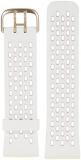
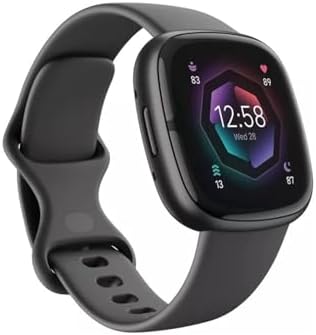
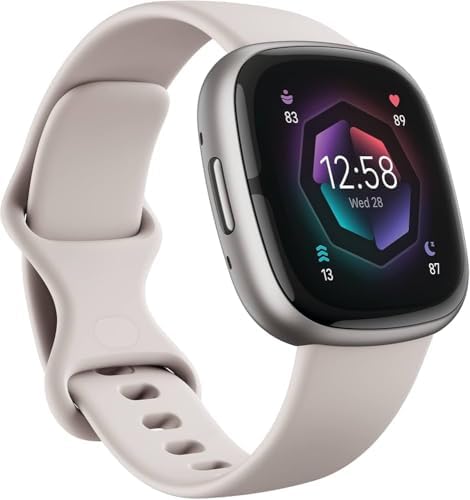
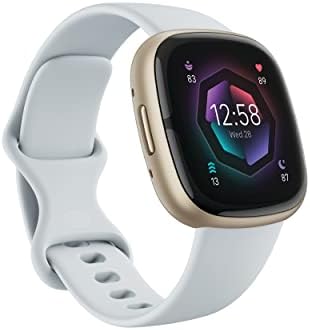
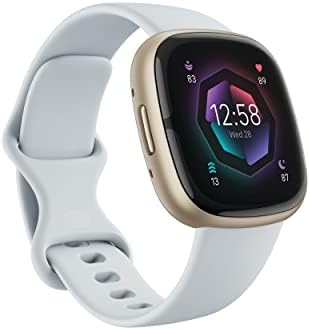
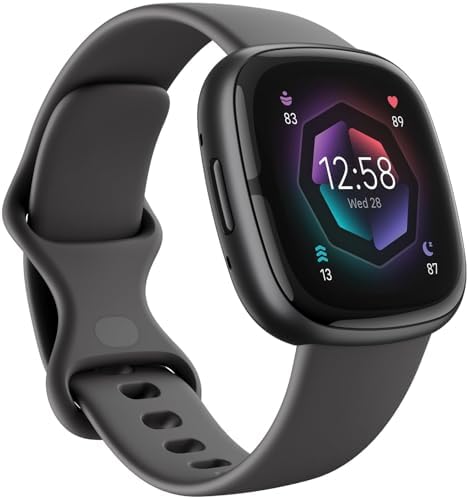
The visual and tactile experience of these two devices differs significantly, reflecting their intended use cases. The Fitbit Sense adopts a classic smartwatch silhouette with a square 1.58-inch AMOLED color touchscreen housed in a stainless steel case. This design allows for a wide variety of interchangeable bands and quick-release pins, making it easy to switch from a sporty silicone band for a workout to a leather or metal option for a formal setting. The larger display area provides ample room for detailed watch faces, notifications, and app interactions, ensuring a rich visual experience.
In contrast, the Fitbit Charge 5 maintains a slim, pill-shaped form factor that sits lower on the wrist, resembling a classic fitness band. Its color AMOLED touchscreen is vibrant but condensed, designed for quick glances at key data. The lightweight construction and streamlined profile make it almost forgettable during sleep or high-intensity exercise, a crucial advantage for those who prioritize 24/7 wear without the bulk of a smartwatch. For users who dislike the feel of a traditional watch, the Charge 5 represents the ultimate in unobtrusive health monitoring, while the Sense appeals to those who want a more traditional wristwatch aesthetic. Exploring the Fitbit brand page can help one see the full spectrum of available form factors.
Sensor Suite and Health Monitoring Depth
Both devices share a core set of reliable health monitoring sensors, including a continuous heart rate tracker, an SpO2 sensor for blood oxygen estimation, and an electrodermal activity (EDA) sensor. However, the Fitbit Sense distinguishes itself with a unique on-wrist skin temperature sensor. This sensor tracks temperature variations throughout the night, providing valuable insights into potential illness, cycle tracking, or sleep environment changes. This data, combined with the EDA scan for stress and the built-in GPS for outdoor runs, creates a comprehensive picture of physiological well-being. The device also includes an Altimeter for tracking floors climbed, providing a more complete fitness picture.
The Fitbit Charge 5 focuses on delivering the most impactful health metrics without the extra sensor. It lacks the temperature sensor and altimeter found on the Sense, but it effectively tracks stress through the EDA app, monitors sleep stages with its SpO2 sensor, and provides accurate GPS for pace and distance during outdoor activities. The 3-axis accelerometer ensures swim lap tracking is reliable, making it a formidable contender for pool workouts. For the user whose primary needs are accurate heart rate, sleep quality, and GPS for running without wanting a full smartwatch, the Charge 5 delivers 90\% of the core functionality at a more accessible price point. Those needing advanced stress and temperature data should consider a full-featured Fitbit smartwatch from the Sense series.
Smartwatch Functionality and Daily Convenience
The line between fitness tracker and smartwatch is clearly drawn when examining app integration and on-wrist interactions. The Fitbit Sense functions as a true smartwatch, allowing users to receive and respond to calls directly from the wrist via a Bluetooth-connected phone. It also supports voice assistants like Alexa or Google Assistant, enabling hands-free timers, weather checks, and smart home controls. The inclusion of a speaker and microphone opens doors for taking quick calls on the go. The phone also accepts downloadable third-party apps and custom watch faces, offering a high degree of personalization.
The Fitbit Charge 5 keeps things simpler, focusing on notifications. It alerts users to incoming calls, texts, and calendar events, and on Android devices, allows for quick text replies. It offers music controls for the phone, but lacks the ability to store music or facilitate Bluetooth calls from the wrist. It features a Fitbit Wallet for contactless payments, providing genuine convenience. While it lacks a speaker or microphone, the Charge 5’s interface is snappy and efficient, making it perfect for users who want to stay informed without the temptation of endless app interaction. For those seeking the most robust smartwatch experience within the Fitbit ecosystem, devices like a reliable fitness smartwatch offer a middle ground, but the Sense provides a feature-rich alternative for those who want it all.
Battery Life and Charging Considerations
Battery life is a decisive factor for many users, particularly those who track sleep regularly. The Fitbit Charge 5, with its simpler display and fewer continuous sensor processes, boasts an official rating of around 7 days per charge. This extended longevity means most users can comfortably wear the device for a full week without worrying about mid-week charging, making it ideal for continuous sleep and stress tracking without interruption.
The Fitbit Sense, with its always-on display option, more frequent heart rate sampling, and active smartwatch features, typically lasts about 6 days. While still impressive for a smartwatch, this subtle difference can mean the difference between a Sunday and a Tuesday charge. Both devices use a proprietary magnetic charger, but the Sense’s larger battery requires a slightly longer charging session. For the dedicated fitness enthusiast who values seamless overnight health data, the Charge 5’s slightly more forgiving timeline often feels more liberating. However, the Sense still manages to provide a full weekend away from a charger, which is excellent for its class.
Long-Term Use and Software Support
Both the Fitbit Sense and Charge 5 are supported by the mature Fitbit OS platform, which integrates seamlessly with the Google ecosystem. They sync automatically with the Fitbit app, offering a comprehensive dashboard of health metrics, sleep scores, and activity logs. The recent transition to Google accounts provides access to Google Health features, ensuring a unified experience across devices. Updates for features like the EDA scan and heart rate algorithms are delivered periodically, but core hardware capabilities determine long-term potential. The Sense, with its more powerful processor and larger memory, is more likely to support future software enhancements that could introduce new health widgets or app functionality. The Charge 5 is optimized but will remain feature-stable over time. The choice here is between a platform with more headroom for future expansion (Sense) and a perfectly optimized, mature tracker that will remain excellent for its current feature set (Charge 5).