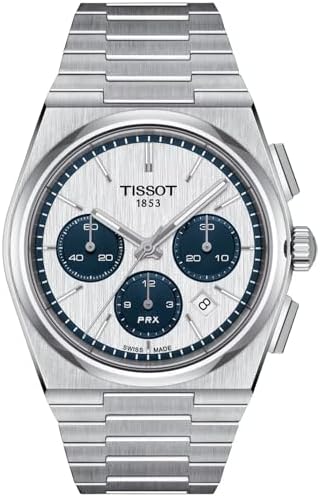
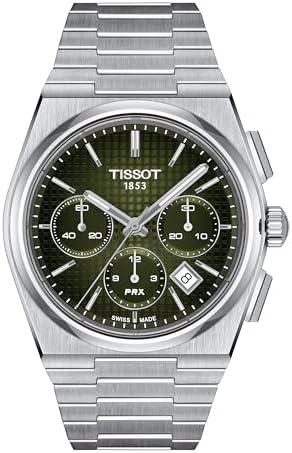
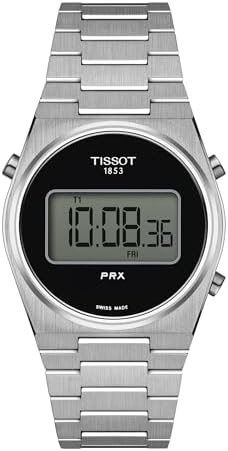
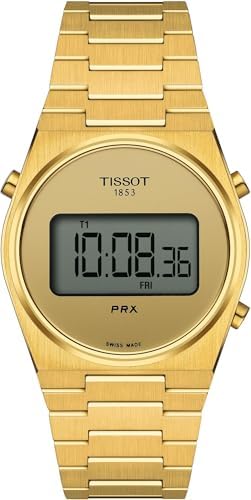
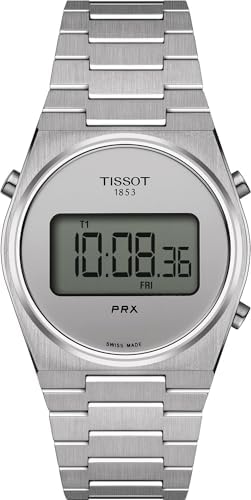
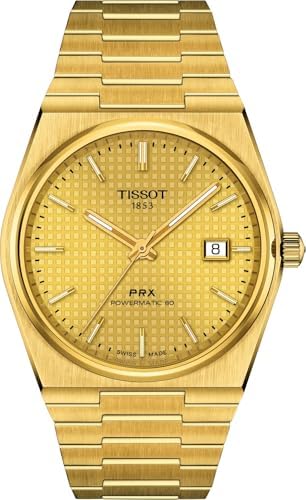
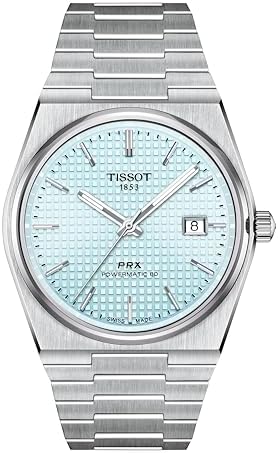
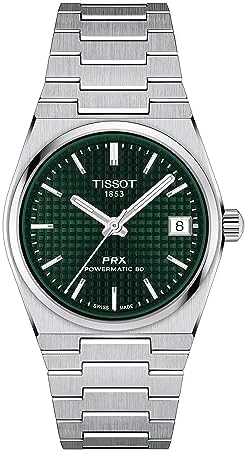
The Tissot PRX Chronograph represents a fascinating intersection of retro design language and contemporary Swiss watchmaking. With its integrated bracelet, angular case lines, and a 42mm diameter in 316L stainless steel, this model revives the spirit of the late 1970s while incorporating modern mechanical reliability. When Tissot reintroduced the PRX collection, the chronograph variant quickly became a focal point for enthusiasts seeking a distinctive sports-luxury aesthetic backed by genuine horological substance.
The chronograph version carries a particular allure because it expands the design’s visual drama. The larger 42mm case provides ample surface for the sub-dials, creating a balanced and purposeful dial layout. Beneath the scratch-resistant sapphire crystal lies a dial that captures light with a refined sunray finish, echoing the design cues that defined an era of bold, architectural watch styling. For those exploring this segment, the PRX series demonstrates how a heritage design can be successfully adapted for a modern audience.
Design Philosophy and Case Architecture
The PRX design philosophy hinges on the integration of case and bracelet into a seamless, flowing form. The 42mm case does not simply host the movement; it becomes part of a continuous silhouette that tapers elegantly from the integrated lugs into the five-link bracelet. Constructed from 316L stainless steel, the case offers both corrosion resistance and a substantial weight of 138 grams on the 40mm models, imparting a reassuring heft that speaks to the durability of the piece.
Interestingly, the PRX Chronograph platform includes both 40mm and 42mm case options, catering to differing wrist preferences. The jubilee-style bracelet features a quick-release system, allowing wearers to swap to a leather strap effortlessly. This adaptability, combined with the flush-fitting crown guards and the flat-link bracelet, creates a watch that transitions with ease from boardroom to weekend leisure. The fluted bezel is finely brushed, contrasting with the polished chamfers on the case flanks.
Movements Powering the Collection
The Mechanical Chronograph Caliber
The automatic chronograph versions of the PRX are powered by Swiss automatic movements that deliver up to 68 hours of power reserve. This 68-hour reserve, as specified by Tissot, allows the watch to sit unused through a weekend and still remain running by Monday morning. The gear train architecture is designed for dependable timekeeping, with a balance wheel oscillating at a standard frequency.
Pure chronograph functionality is managed through a column wheel or cam system depending on the specific caliber. Timers count up to 12 hours, with 30-minute and 60-second counters positioned on the dial. It is essential to understand the movement hierarchy here: the PRX chronograph range simplifies the specification landscape. The 40mm versions are equipped with the Swiss Quartz G10.212 Powerdrive movement, while the larger 42mm references house either an automatic chronograph caliber or an automatic movement with an impressive 80-hour power reserve.
Quartz Precision in a Heritage Case
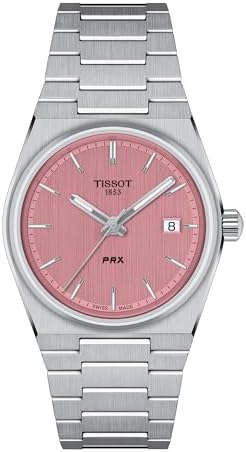
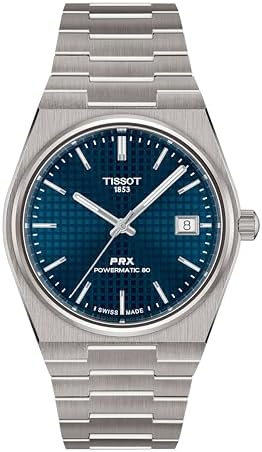
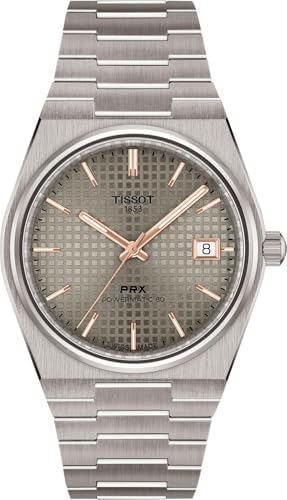
Tissot carves out a niche with the quartz powered PRX references, championing the G10.212 movement for its reliability and serviceability. Rather than positioning these as inferior alternatives, Tissot markets them as accessible Swiss-made instruments with exceptional accuracy. The model T1374101105100, for instance, brings together the 40mm case, a Swiss Quartz movement, a scratch-resistant sapphire crystal, and a distinctive waffle-pattern dial that harks back to the 1970s originals.
This mix of movements within a single series allows the PRX chronograph to suit different buyer priorities. The choice between a 40mm quartz model and a 42mm automatic involves accepting different servicing requirements and daily charging habits. The quartz option promises immediate accuracy at a lower entry point, whereas the automatics provide the mechanical connection that many enthusiasts seek.
Dial Complexity and Legibility
Diagonals, texture, and depth define the PRX chronograph dial. The applied baton indices and the sword-shaped hands are filled with Super-LumiNova, ensuring visibility after dark. The running seconds sub-dial at the top balances the 30-minute counter below, while the 12-hour counter anchors the dial’s lower half.
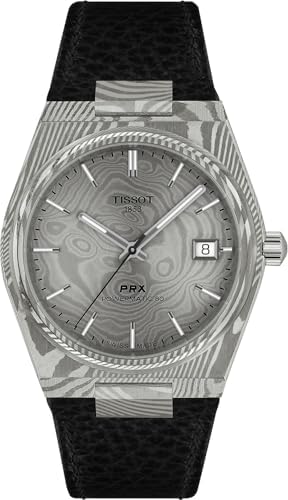
Tissot carefully distinguishes between the dial patterns across the collection. Some references feature the elegant “waffle” texture, a signature element of the original PRX, while others employ a vertically brushed finish. The printed brand signature, at 12 o’clock, anchors the dial, balanced by the subtle PRX designation near 6 o’clock. Each dial iteration underlines Tissot’s design intent that this is a watch to be read at a glance, not a laboratory experiment in legibility.
Sizing, Wearability, and Weight Considerations
Although the chronograph references measure 41mm or 42mm across, the effective wrist presence feels contained thanks to the downward slope of the integrated lugs. The links articulate cleanly into a butterfly clasp on most references, preserving the slim profile of the case. The 40mm reference with a stainless steel case weighs approximately 138 grams, offering a solid feel without tipping into bulky territory.
The contact between the strap and the wrist is smooth, and the crown, when present, screws down adequately for sporty wear. Water resistance is rated to 100 meters, making the PRX chronograph suitable for swimming and snorkeling. The thin case profile assists in pairing the watch with tailored shirts and dress cuffs, expanding its utility as a daily driver.
Before expanding into the heritage narrative, it is worth comparing the PRX chronograph with a specialized diver. Including the Tissot Seastar series offers unidirectional bezels and greater water resistance for dedicated dive use. The PRX, by contrast, is a lifestyle and sporting chronograph, prioritizing a slim case and integrated aesthetics over subaquatic tool credentials. The decision between these lines comes down to watchmaking intent, not absolute superiority.
The Heritage of Integrated Bracelet Design
Tissot’s original PRX debuted in 1978, at the height of the integrated bracelet craze. The revival, initiated in 2021, reconstructed the original geometry with modern manufacturing tolerance. Rather than clone the past, Tissot enhanced the design with a more significant case presence and improved bracelet hinges.
The case is sharply faceted, with crisp transitions between brushed and polished surfaces. A flat-link five-row bracelet is a hallmark of the series, complementing the case curvature. This construction deliberately contrasts with the rounder, softer profiles of many contemporary sports watches.
Within the broader context of the collection, this chronograph does not stand alone. The standard three-hand and powermatic references provide different interpretations for consumers, ranging from a simple quartz date model to an automatic with a date complication. The heritage-driven design philosophy of the chronograph variant, however, directly harkens to the original lineup that included analog quartz and mechanical versions.
Suitability for Collectors and First-Time Buyers
One of the most striking characteristics of the PRX Chronograph is its accessibility to different audiences. For collectors, the combination of a recognizable 70s silhouette and a robust Swiss movement reserves a place in a dedicated cabinet. For those purchasing their first Swiss automatic watch, the Tissot represents a logical progression from fashion watches, offering tangible mechanical substance.
Tissot also prioritizes comfort through interchangeable straps. Quick-release levers at the case and the strap allow for immediate changes to a NATO or a leather strap, extending the watch into different style territories. The flexible lifestyle nature further cements its position as an excellent gift proposition.
The pricing positioning remains attractive across the range, especially when compared to other Swiss chronograph offerings. The fact that the PRX handles this without compromising on materials like sapphire crystal or 316L steel supports its reputation as a high-value purchase.
The evolution from the humble quartz pieces to the intricate automatic chronograph references creates a family of options. Boutique-level fanfare surrounds the concept of a “simple” retro watch that actually delivers multiple sub-brands and complications across a range of cases. It underlines Tissot’s cross-generational appeal through a tactile understanding of watch history.
The Understated Allure of the Tactile Experience
Handling a PRX chronograph reveals attention to tactile details. The push pieces for the chronograph operate with a distinct, positive click. The crown releases with smooth resistance, and the winding action is designed to feel mechanical and satisfying. This sensory feedback marries visual design with functional execution, enhancing the daily ownership experience.
Comparative Analysis Within the Market
The PRX Chronograph doesn’t just compete with heritage-revival pieces from other Swiss maisons, it also appeals to fashion-forward consumers who look towards the broader like Tissot’s enduring reputation built over decades of Swiss watchmaking. Strictly within Swiss territory, it competes against divers and aviators, often edging out features through a superior movement caliber and maintaining an integrated elegance that is hard to replicate at the price.
Tissot handles its own model matrix seamlessly here. The 42mm automatic refs stand toe-to-toe with entry-level chronographs from Longines or Hamilton due to similar ETA-derived movement configurations under the Swatch Group umbrella. Despite these overlaps, the PRX asserts individuality through design lineage and the quick-release bracelet system, which remains a rarity in its segments.
The Chrome-Free Construction and Everyday Utility
Durability in the PRX Chronograph is anchored by several technical decisions. Forgoing soft chrome plating and opting for surgical-grade stainless steel ensures the case remains clean over time. The 10 bar water resistance covers rain exposure and showering without insurance concerns. The anti-reflective treatments on the crystal significantly diminish glare, aiding in tool functionality.
Those accustomed to setting bezels will note the role of the fixed bezel here, intentionally housed for protection rather than timing. The case underside is solid to support movement protection, with only the sapphire display caseback on some references enhancing the mechanical show. It contributes to versatility across boardroom and gym settings.
Tissot leverages the Tissot Heritage line ethos within this family-honoring historical accuracy while embedding forward-looking comfort. Legacy items borrowed from design files are reinterpreted for modern durability, ensuring the watch’s 1978 charm resonates without outdated engineering.
Final Reflections on a Neo-Vintage Powerhouse
The Tissot PRX Chronograph is far more than a nostalgic design footnote. It captures the atmosphere of the disco era while flowing through modern engineering standards. The caliber options provide clean choices for purists and pragmatists alike, tied together with a uniform visual grammar that is both distinctive and coherent.
This model cements Tissot’s ability to create timepieces that resonate culturally and mechanically. Whether ticking via the efficient quartz movement or oscillating up to 68 hours from a tightly coiled mainspring, the PRX transforms past trends into contemporary essentials. Sympathetic to heritage yet unequivocally relevant, it will sustain its role in vital collections as an accessible chronicle of 1970s spirit, imbued with proud modern execution.