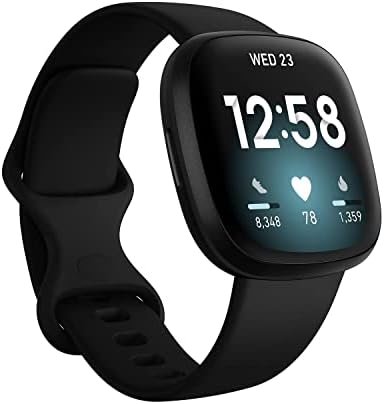
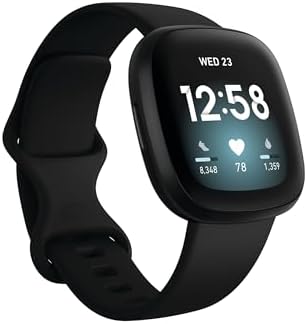
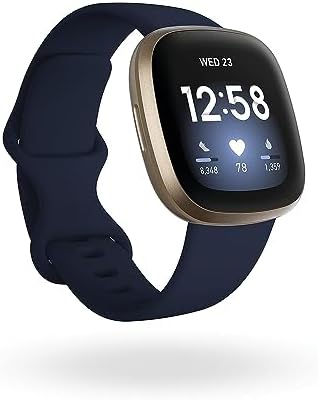
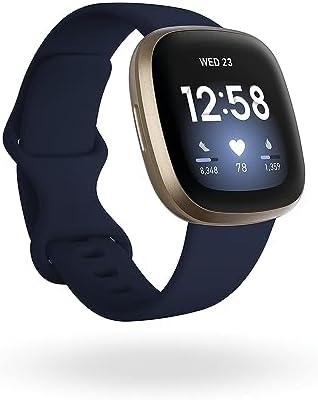
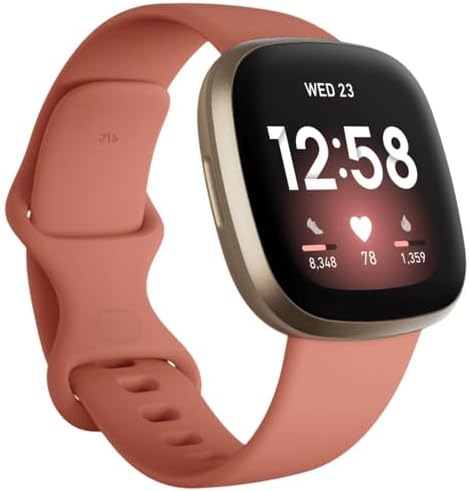
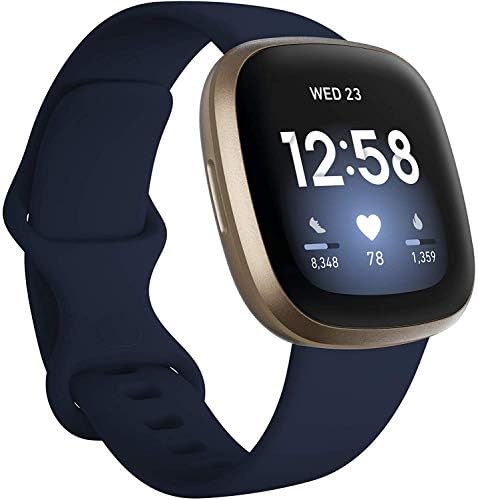
The Fitbit Versa 3 arrived at a pivotal moment for wearable technology, where the demand for a device that could seamlessly transition from a high-intensity workout to a professional meeting was growing exponentially. Its specification sheet reads as a direct response to this need, offering a compelling blend of robust fitness tools, everyday smart features, and a design ethos focused on comfort and style. This positions the device as a versatile centerpiece within the comprehensive Fitbit ecosystem, appealing to a broad user base seeking a holistic view of their well-being without sacrificing convenience.
At the core of the Versa 3 experience is its always-on display technology, a significant upgrade that provided users with constant access to time, stats, and notifications without the need for a wrist flick or tap. The 1.58-inch AMOLED touchscreen boasts impressive brightness and clarity, ensuring readability under direct sunlight鈥攁 crucial spec for outdoor athletes. Paired with an aluminum case that is both lightweight and durable, the watch presents a modern, minimalist aesthetic that avoids the overly technical look of some fitness-focused wearables, making it suitable for 24/7 wear.
The introduction of built-in GPS was a defining feature of the Fitbit Versa 3, liberating runners and cyclists from their phones. This standalone functionality allows for precise tracking of pace, distance, and route maps directly from the wrist, a key specification for serious training. Complementing this is an advanced heart rate sensor that enables continuous monitoring, powering features like Active Zone Minutes, which guides users to exercise in heart rate zones that maximize cardio benefits, and the much-discussed SpO2 sensor for tracking blood oxygen saturation trends during sleep.
Battery life remains a critical specification for any smartwatch, and the Versa 3 delivered a reliable six-plus days on a single charge, with heavy GPS use reducing that timeframe. The shift to a proprietary magnetic charging dock simplified the process, though it moved away from universal compatibility. Fast Charge capability, offering a full day’s power in just 12 minutes, addressed the anxiety of a dead battery before a workout, showcasing a practical understanding of user behavior in its technical design.
On the smart features front, the Versa 3 integrated deeply with both Android and iOS ecosystems. Users could receive call, text, and app notifications, control music playback, and utilize the built-in microphone and speaker for taking calls directly from the wrist鈥攁 feature that enhanced its utility as a true extension of one’s smartphone. The inclusion of Amazon Alexa and, later, Google Assistant support provided voice-controlled convenience for setting reminders, checking the weather, or controlling smart home devices, adding a layer of hands-free functionality.
For sleep and recovery, the device’s specifications were equally thorough. It automatically tracked sleep stages (light, deep, REM) and provided a Sleep Score, while the SpO2 sensor monitored potential indicators of sleep disturbances like sleep apnea. The guided breathing sessions based on heart rate variability (HRV) offered a tangible tool for daily stress management, positioning the watch not just as a fitness tracker but as a holistic wellness device focused on both physical and mental recovery.
When evaluating its place in the market, the Versa 3’s specifications carved out a distinct niche. It offered more advanced health insights and a more fitness-centric operating system than many basic smartwatches, while presenting a more accessible and lifestyle-friendly alternative to hardcore sports watches. Users seeking the latest software and a slightly refined design might explore successors like the Fitbit Versa 4, which built upon this foundation. For those prioritizing in-depth wellness metrics, Fitbit’s advanced health-monitoring Sense 2 offers additional sensors for stress management.
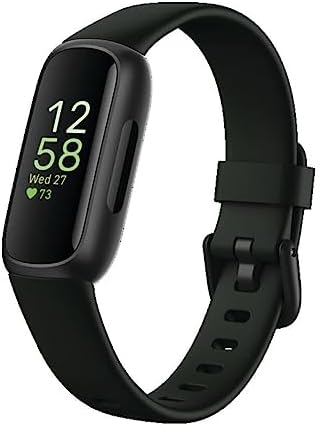
The true legacy of the Fitbit Versa 3’s specifications lies in their balanced execution. It demonstrated that a smartwatch could be a serious fitness tool with built-in GPS and advanced heart rate analytics, a convenient daily companion with voice assistants and notifications, and a comfortable, stylish accessory鈥攁ll without overwhelming the user with complexity. Individuals desiring a more streamlined, band-focused experience often find excellent value in the Fitbit Charge 5 for focused fitness tracking. The Versa 3 set a benchmark for integrated wellness, proving that the most impactful specifications are those that fade into the background, enabling users to live their lives more fully and healthily, with insightful data serving as a guide rather than a distraction.