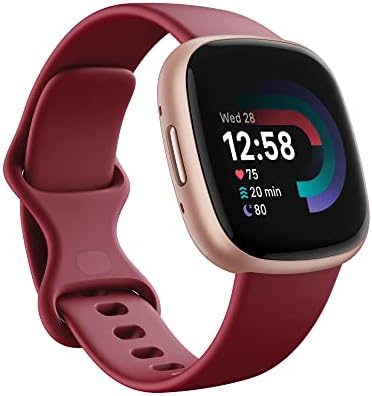
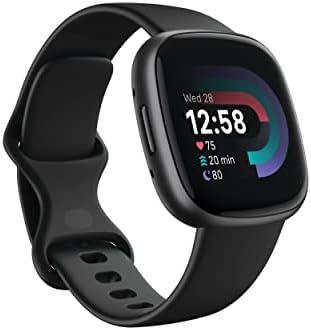
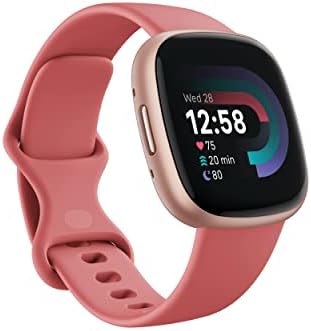
The Fitbit Versa 4 and the Garmin Vivoactive 5 occupy the same shelf space but answer two different questions. One asks how a watch can coach healthier daily habits; the other asks how a watch can survive a training block without a charger. Both are mid-range GPS smartwatches with heart rate monitoring, sleep tracking, and multi-day batteries, yet the software philosophies behind them diverge sharply. This guide exists for the shopper standing in front of that shelf, weighing the two against real-world needs rather than spec-sheet bragging rights.
| Purchase-Decision Dimension | Fitbit Versa 4 | Garmin Vivoactive 5 |
|---|---|---|
| Display Type | AMOLED, always-on capable | AMOLED, always-on capable |
| Battery Life (Smartwatch Mode) | Up to 6 days | Up to 11 days (5 days always-on) |
| GPS Battery Life | Up to 6 hours continuous | Up to 21 hours GPS-only |
| Built-in GPS | Yes, connected GPS plus built-in | Yes, multi-band GNSS capable |
| Sleep Tracking Depth | Sleep Score, Sleep Profile, Smart Wake | Sleep Score, nap detection, Sleep Coach |
| Training Load Metrics | Active Zone Minutes, Daily Readiness Score | Body Battery, HRV Status, Training Readiness |
| On-Wrist Coaching | Built-in workouts with audio/video guidance | Garmin Coach adaptive plans |
| Stress & Recovery Tools | EDA Scan, Stress Management Score | Body Battery, Relaxation Breathing, HRV |
| Smartphone App Ecosystem | Fitbit Premium subscription depth | Garmin Connect, no subscription required |
| Water Resistance | 5 ATM (swim-proof) | 5 ATM (swim-proof) |
| Contactless Payments | Fitbit Pay (limited bank support) | Garmin Pay (broader bank support) |
| Music Storage | No offline music storage | Yes, offline playlist storage |
| Case Size & Weight | 40.5mm, ~37g | 42mm, ~36g |
| Best Suited For | Daily wellness coaching and habit building | Multi-day training and outdoor sessions |
| Subscription Requirement | Premium unlocks full insights | No mandatory subscription |
| Key Selling Point | Integrated health coaching platform | Battery endurance with training depth |
The table makes one thing clear before any prose does: the Vivoactive 5 wins on raw endurance and training metrics, while the Versa 4 counters with a deeper coaching ecosystem. Battery life is the single biggest gap. Garmin rates the Vivoactive 5 at up to 11 days in smartwatch mode, dropping to 5 days with the always-on display active, and up to 21 hours in GPS-only mode. The Versa 4, by contrast, typically lasts around 6 days in mixed use and roughly 6 hours with GPS running continuously. For anyone logging long rides, hikes, or back-to-back training days, that difference alone may settle the decision.
Battery Endurance and Charging Habits
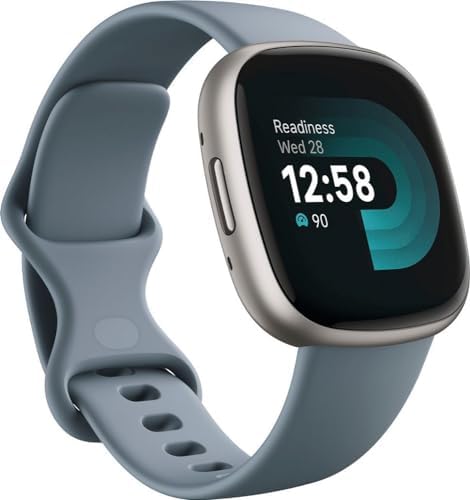
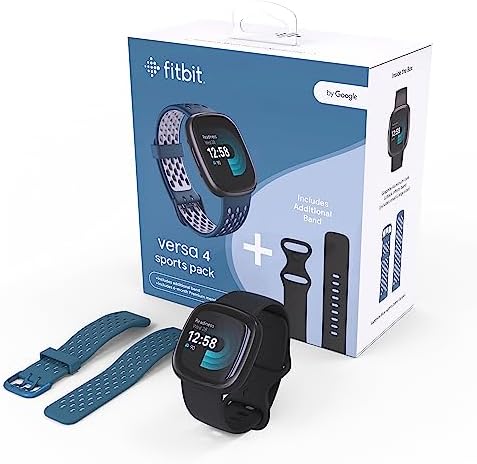
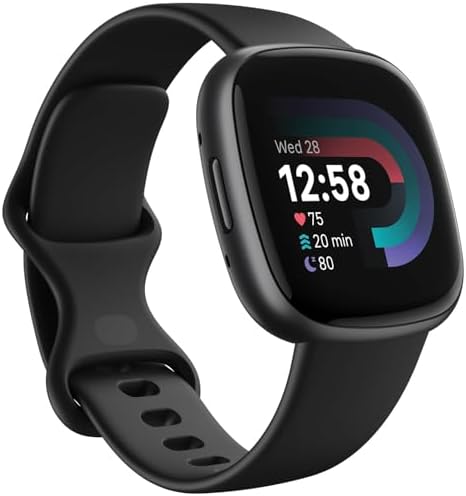
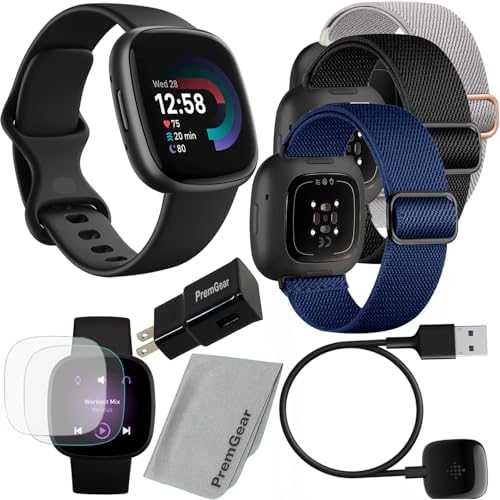
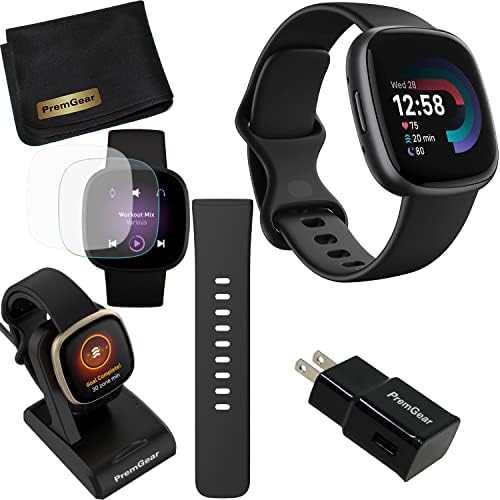
Battery life is not a spec-sheet footnote; it shapes how a watch fits into daily life. A device that needs charging every few days forces a routine, while one that stretches past a week fades into the background. The Garmin v铆voactive 5 Health and Fitness Ivory GPS, with its up-to-11-day smartwatch mode and 21-hour GPS rating, suits users who dislike nightly charging rituals. The Fitbit Versa 4 Fitness with Daily Black Graphite GPS, at roughly 6 days of mixed use, still beats most full-featured smartwatches but asks for more frequent top-ups, especially during heavy GPS weeks.
Charging speed matters too. Both watches use proprietary charging cables, and neither supports wireless charging. A short top-up before a workout is realistic on either device, but the Vivoactive 5’s larger battery buffer means fewer panic charges before a weekend trip. For travelers, that translates into one less cable to pack and one less outlet to hunt down.
Training Metrics and Recovery Science
Where the two diverge most is in how they interpret the body’s readiness to perform. Garmin’s platform leans on physiological signals: Body Battery, HRV Status, and Training Readiness combine to tell a user whether to push hard or back off. These metrics draw on heart rate variability and stress data collected continuously, and they are available without a paid subscription.
Fitbit’s approach centers on the Daily Readiness Score, which factors in activity, sleep, and heart rate variability to suggest whether to train or rest. The catch is that the full picture sits behind Fitbit Premium, a paid tier that unlocks deeper sleep analysis, wellness reports, and guided programs. The watch works without Premium, but the coaching layer that gives the Versa 4 its identity is partly gated.
For a runner training for a half marathon, the Garmin’s Training Readiness and Garmin Coach adaptive plans provide a more self-contained system. For someone focused on general wellness rather than race preparation, the Versa 4’s Daily Readiness Score and Active Zone Minutes offer a gentler on-ramp, provided the subscription cost is acceptable.
Sleep Tracking and Everyday Wellness
Sleep is where Fitbit built its reputation, and the Versa 4 carries that legacy forward with Sleep Score, Sleep Profile, and Smart Wake alarms that time themselves to lighter sleep phases. The granularity of Fitbit’s sleep stages and its monthly Sleep Profile reports remain a benchmark in the mid-range segment.
Garmin has closed much of the gap. The Vivoactive 5 adds nap detection and a Sleep Coach that suggests target bedtimes based on training load and recovery needs. Its sleep staging is accurate enough for most users, but Fitbit’s presentation and historical depth still feel more polished for someone whose primary goal is understanding sleep quality.
Stress tracking follows a similar pattern. Fitbit offers an EDA Scan app for on-demand stress measurement and a Stress Management Score. Garmin counters with Body Battery, which visualizes energy reserves throughout the day, and Relaxation Breathing exercises. Both are useful; Fitbit’s is more explicitly guided, Garmin’s more continuous and passive.
Design, Display, and Daily Wearability
Both watches use AMOLED displays with always-on capability, and both are swim-proof to 5 ATM. The Versa 4 measures 40.5mm across and weighs about 37 grams, while the Vivoactive 5 comes in at 42mm and roughly 36 grams. The size difference is marginal but noticeable on smaller wrists; the Versa 4’s slightly narrower case may sit more comfortably for some users.
Build quality is comparable, with aluminum cases and silicone bands standard on both. Neither watch targets luxury; they are tools designed for daily wear, gym sessions, and sleep tracking. The Vivoactive 5’s round case appeals to traditional watch sensibilities, while the Versa 4’s squared-off profile reads more like a modern fitness tracker.
Smart Features and Ecosystem Integration
Smart features are where the Versa 4 shows its limitations. It supports notifications, quick replies on Android, and Fitbit Pay, but it lacks offline music storage and has a thinner app ecosystem than Garmin’s. The Vivoactive 5 includes Garmin Pay with broader bank support and allows offline playlist storage from supported music services, a meaningful advantage for runners who leave their phones behind.
Neither watch matches an Apple Watch or a Wear OS device for third-party apps, but Garmin’s Connect IQ store offers more utility than Fitbit’s gallery. For users who want a watch that handles payments and music without a phone, the Vivoactive 5 is the more complete package.
Who Should Buy Which Watch
The decision comes down to priorities. Choose the Fitbit Versa 4 if sleep insight, guided wellness programs, and a gentler coaching tone matter most, and if the Fitbit Premium subscription is acceptable. It suits users building healthier habits rather than chasing performance benchmarks.
Choose the Garmin Vivoactive 5 if battery endurance, training metrics, and offline music are non-negotiable. It suits runners, cyclists, and hikers who want a watch that keeps up without constant charging and delivers recovery data without a subscription.
Both watches serve the mid-range fitness smartwatch buyer well, but they serve different buyers. The Versa 4 is a wellness companion; the Vivoactive 5 is a training tool. Matching the watch to the user’s primary goal, rather than to the spec sheet, is the surest way to avoid regret after the purchase.