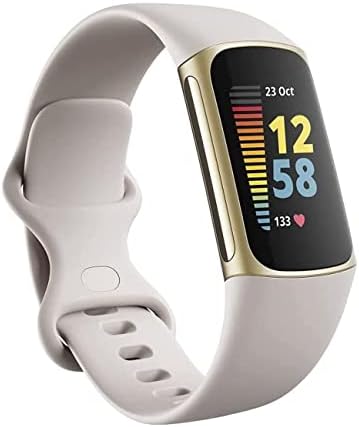
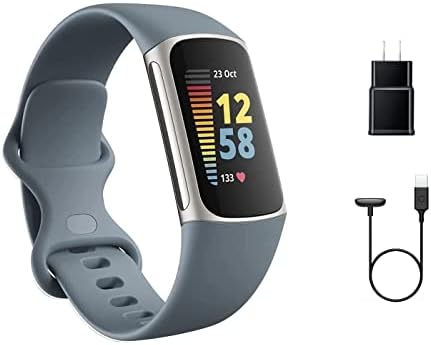
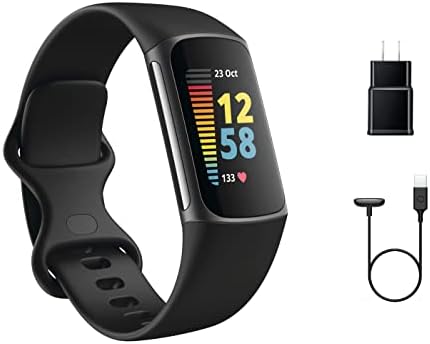
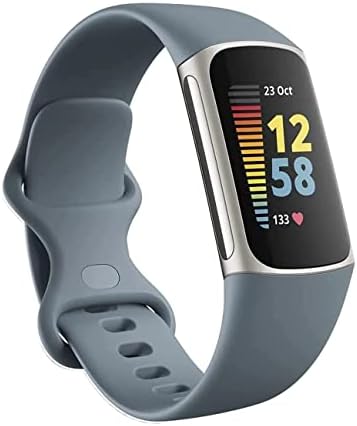
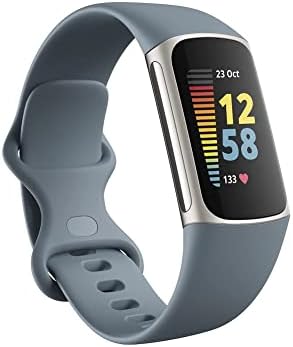
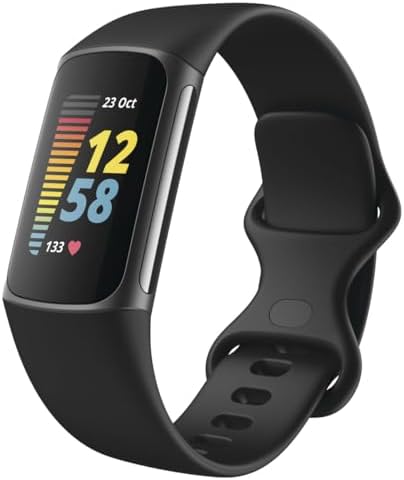
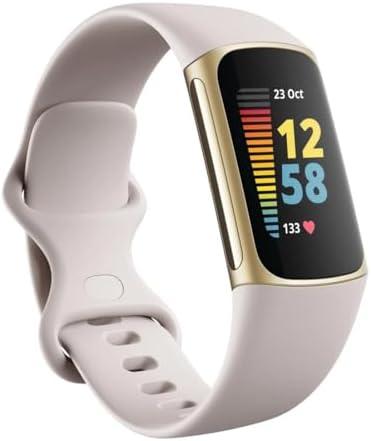
Choosing between the Fitbit Luxe and the Charge 5 requires a close look at how each tracker prioritizes fashion versus function. Both models represent Fitbit’s push toward a sleeker, more health-oriented design, yet they serve slightly different user preferences. The Fitbit Luxe embraces a jewelry-like aesthetic meant for everyday style, while the Charge 5 builds on the brand’s reputation as a robust fitness companion. This comparison provides a professional basis for purchase decisions, offering clear insights for anyone looking to invest in a device that supports wellness without compromising on design.
| Feature & Selling Point | Fitbit Luxe | Fitbit Charge 5 |
|---|---|---|
| Design Philosophy | Jewelry-inspired, elegant stainless steel case | Sleek, streamlined fitness band with sculpted edges |
| Main Display | AMOLED color touchscreen | Full-color AMOLED display (AOD-capable) |
| Dimensions | 36mm case, slim profile | Slightly wider, more prominent band |
| Health Sensors | Heart rate, SpO2 (EDA for stress), skin temperature variation | Heart rate, SpO2, EDA sensor, electrodermal activity |
| GPS Connectivity | Connected GPS (using phone) | Built-in GPS |
| Battery Life (Typical) | 5 days per charge | 7 days per charge |
| Stress Management | EDA scan app, stress management score | EDA scan, stress management score, daily stress detection |
| Sleep & SpO2 Monitoring | Sleep stages + SpO2 | Sleep stages + SpO2 |
| Water Resistance | 50 meters swim-proof | 50 meters swim-proof |
| Payment System | Fitbit Pay (regional) | Fitbit Pay (regional) |
| Notifications & Smart Features | Text, call & app notifications | Smartphone notifications, calendar, call rejection |
| Price Positioning | Slightly higher due to premium materials | More accessible for dedicated athletes |
The most decisive difference lies in the GPS capability: the Charge 5 features built-in GPS, making it more autonomous for runners and cyclists, whereas the Luxe relies on connected GPS through a phone. Beyond that, the Luxe offers a refined elegance while the Charge 5 extends battery life to seven days, creating a clear trade-off between aesthetic refinement and raw sport functionality.
Design Language and Wearable Aesthetics
The Fitbit Luxe redefines the concept of a fitness tracker by adopting the form of a stylish bracelet. Its polished stainless steel case, available in multiple finishes including gold and platinum, immediately sets it apart from the typical silicone-clad tracker. The Luxe’s design makes it appropriate for formal occasions, evening wear, or the office – a device that provides health data without looking clinical. Interchangeable bands, including leather and mesh options, allow the wearer to tailor its look to personal style or attire.
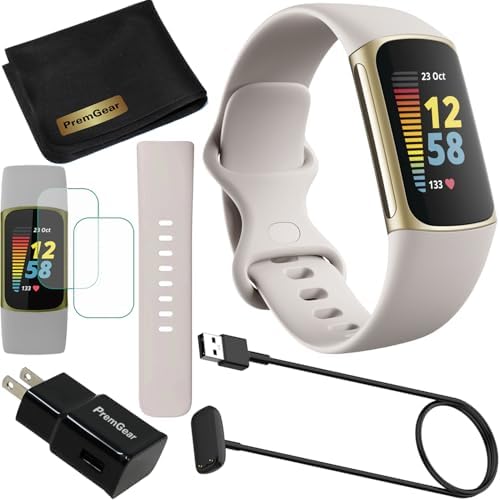
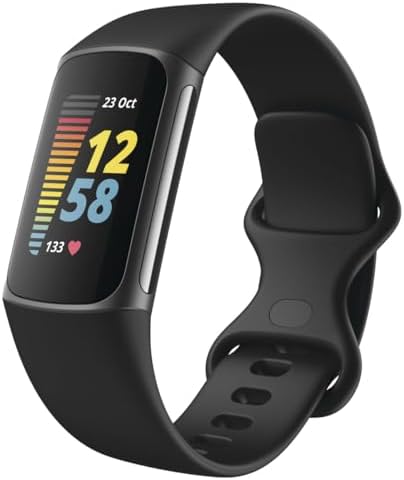
The Charge 5, while also sleek, maintains a more traditional fitness band silhouette. Its sculpted edges and streamlined housing are modern, but the overall appearance remains sportier. For those who prioritize fitness metrics as their primary focus and wear a watch or band for activity rather than style, the Charge 5 provides a balanced aesthetic. Both devices use an AMOLED display, which ensures vivid colors and sharp text, but the Luxe pairs its display with a narrower bezel, giving it a more seamless, premium feel on the wrist.
Health and Wellness Tracking Capabilities
Both the Fitbit Luxe and Charge 5 leverage Fitbit’s advanced sensor suite for comprehensive health monitoring. Each includes an optical heart rate sensor, SpO2 sensor for blood oxygen estimation, and an EDA sensor to measure electrodermal activity, which correlates with stress response. The Daily Readiness Score, introduced through Fitbit Premium, analyzes activity, sleep quality, and heart rate variability to guide each day’s exercise and recovery, and this feature is available on both trackers.
The Charge 5 distinguishes itself by delivering a more consistent stress management experience. In addition to the EDA scan, it offers a continuous stress management score that keeps users informed throughout the day. The Luxe also provides stress scores and guided breathing sessions but relies more heavily on manual EDA scans. For sleep tracking, both models offer detailed sleep stages (light, deep, REM) and track overnight SpO2 levels, but the Charge 5 tends to detect sleep automatically more quickly due to its longer battery capacity and always-on display option.
Fitness Tracking and On-the-Go Autonomy
For the outdoor enthusiast, the inclusion of built-in GPS in the Charge 5 is a clear advantage. Runners, hikers, and cyclists can leave their phones at home while still capturing accurate pace, distance, and route maps directly on the tracker. The Charge 5 also tracks exercise intensity with Active Zone Minutes, vibrating to celebrate when the user reaches target heart rate zones. For those seeking a device that functions as a comprehensive fitness hub, exploring the Fitbit brand reveals the entire range of compatible trackers and smartwatches.
The Fitbit Luxe, by comparison, relies on connected GPS, meaning the phone must be carried to record accurate movement data. For gym-based workouts such as yoga, Pilates, or weightlifting, this limitation does not apply, as distance tracking is less relevant. The Luxe is better suited for those whose fitness routine consists of walking, indoor classes, or light running, where the motivation to wear a stunning device outweighs the need for standalone GPS. Both trackers automatically recognize and record common workout types, ensuring minimal input from the user after the initial setup.
Battery Life as a Key Differentiator
Battery life often dictates how often a person connects with their device. According to the official user manual, a fully-charged Fitbit Luxe lasts up to 5 days. This is sufficient for a Monday-to-Friday work week but requires weekend charging for those who want continuous sleep tracking. The Charge 5 offers approximately 7 days of typical use, giving users an extra two days of freedom. For individuals who prefer fewer charging interruptions, especially when traveling, the Charge 5 provides more convenience.
Both devices use a proprietary magnetic charging cable and achieve a full charge in under two hours. The difference in battery endurance stems from the larger battery housed in the Charge 5’s slightly broader frame, a trade-off in size for longevity. Users must decide whether a day-and-a-half longer charge cycle is worth the more substantial wrist presence of the Charge 5 versus the delicate luxury of the Luxe.
Smart Features and Ecosystem Integration
Both trackers provide standard smartwatch-adjacent features, including smartphone notifications for calls, texts, calendar events, and select apps. They support the Fitbit Pay contactless payment system in supported regions, allowing quick payments without pulling out a wallet. Additionally, both models offer female health tracking, built-in timers, alarms, and weather updates when connected to the Fitbit app.
The Charge 5, being positioned as the more fully-featured tracker, offers a subtle advantage in notification management. It can quickly reject calls directly from the wrist, a convenience the Luxe lacks natively. Meanwhile, the Charge 5 includes an always-on display mode that keeps the time visible without wrist raising, a quality some users find essential for quick glances during meetings or workouts. The Luxe can achieve a similar effect through its intuitive raise-to-wake feature but lacks the always-on option by default without third-party clock faces. For users prioritizing autonomous GPS tracking, a tracker with built-in GPS is the Charge 5, designed for outdoor fitness without a phone.
Material Quality and Durability Considerations
The Fitbit Luxe feels like a carefully crafted piece of jewelry. Its stainless steel case resists corrosion and offers a sophisticated shine that plastic counterparts cannot replicate. The Luxe achieves a water resistance rating of up to 50 meters, meaning it can be worn while swimming or in the shower without issue. However, the elegant materials are more susceptible to scratching from rough surfaces, so active users might prefer a protective case or a replacement band for intense workouts.
The Charge 5 is built with a slightly different mindset. It uses a lightweight aluminum case with a matte finish, which hides the wear of daily exercise better than a mirror polish. Its silicone-infused strap is comfortable for all-day wear and easy to clean after sweating. While it does not pretend to be a luxury accessory, its build quality is robust and purpose-driven. Users who value durability for intense outdoor use will find the Charge 5 to be more practical over time, whereas the Luxe appeals to those who want the tracker to be a visible part of their identity.
Choosing the Right Tracker for Personal Goals
The decision ultimately hinges on how the device will be integrated into daily life. For the fashion-forward individual who works in a professional environment, attends social events, and still values health insights, the Fitbit Luxe provides all the essential sensors in a design that does not scream “fitness tracker.” Its stress tracking, sleep analysis, and heart monitoring are robust enough for daily wellness without needing to hold a phone while working out.
For the athlete who logs miles outside, monitors training load, and desires longer intervals between charging sessions, the Charge 5 is the more capable companion. Its built-in GPS, longer battery life, and optimized notification system create a seamless experience for active, connected living. Additionally, both devices remain fully compatible with the Fitbit ecosystem, including the Premium subscription that offers personalized health guidance and deeper analytics, meaning the choice is more about form factor and signature features than ecosystem lock-in. Those interested in a more advanced health-focused smartwatch might also explore the Fitbit Sense 2 with additional sensors for deeper health insights.
The vision behind these two trackers reflects a broader trend in wearable technology: providing depth of health data while respecting individual style preferences. Whether selecting the refined, luxe-oriented tracker or the high-performance, fitness-first band, the user receives a device capable of supporting long-term wellness goals. The journey toward better health is personal, and the instrument worn on the wrist should be a reflection of that individuality rather than a compromise.