The premium smartwatch landscape has shifted dramatically with the arrival of two dedicated adventure-focused flagships: the Apple Watch Ultra 3 and the Samsung Galaxy Watch Ultra 2025. Both devices target outdoor enthusiasts and serious athletes, yet they approach the category with fundamentally different design languages and ecosystem philosophies. This comparison serves as a practical decision-making guide, breaking down the key differences across materials, display technology, battery endurance, and outdoor-specific features. For anyone weighing a premium wearable purchase this year, the information below offers a clear, side-by-side look at what each model brings to the table.
| Feature & Selling Point | Apple Watch Ultra 3 | Samsung Galaxy Watch Ultra 2025 |
|---|---|---|
| Case Material | 49mm titanium | Titanium frame with cushion design |
| Display Type | Retina LTPO OLED, 3000 nits peak | Super AMOLED, high brightness mode |
| Connectivity | Built-in GPS + Cellular | GPS + LTE (varies by market) |
| Water Resistance | 100 meters, IP6X dust resistant | 10 ATM, IP68 dust resistant |
| Satellite Features | New satellite communications | No satellite messaging |
| Battery Life (GPS Mode) | Multi-day usage with typical use | Up to 2 days typical use |
| Processor | Apple S-series chip (newest gen) | Exynos W1000 (or newer) |
| Operating System | watchOS 12 | Wear OS 6 with One UI Watch 7 |
| Health Sensors | ECG, blood oxygen, temperature | ECG, blood oxygen, temperature, BioActive |
| Unique Selling Point | Satellite connectivity for off-grid safety | Advanced sleep and recovery insights |
| Best For | iPhone users needing extreme durability | Android users wanting a rugged daily driver |
| Ecosystem Integration | Deep integration with Apple services | Seamless with Samsung Galaxy phones |
The most significant differentiator is clear: the Apple Watch Ultra 3 introduces satellite communications, a feature absent from the Samsung Galaxy Watch Ultra 2025. However, the Samsung model counters with a more aggressive price point and deeper integration with the wider Android ecosystem. The choice ultimately depends on the smartphone in your pocket and whether off-grid connectivity ranks above other considerations.
Design Language and Materials: Rugged Versus Refined
The industrial design of both watches reflects their intended use, but each brand interprets adventure differently. The Apple Watch Ultra 3 retains its signature 49mm titanium case, a flat sapphire crystal front, and a raised bezel that protects the display from impacts. Its form factor is bold and recognisably premium, with the digital crown and action button engineered for gloved use. The titanium construction offers a strength-to-weight ratio that makes the large case surprisingly manageable on the wrist during long hikes or training sessions.
Samsung’s approach with the Galaxy Watch Ultra 2025 draws inspiration from traditional diving instruments. The cushion-shaped case, inspired by the brand’s classic analog watches, houses a circular display within a protective bezel. The lug system is integrated and appears more streamlined than previous generations. Including the Samsung Galaxy Watch Ultra in this comparison highlights how a titanium frame with a brushed matte texture minimises visible scratches during outdoor use.
Display Technology: Readability in Extreme Conditions
Both manufacturers boast class-leading displays, yet they solve the problem of outdoor visibility with different technologies. The Apple Watch Ultra 3 features an LTPO OLED panel that can reach a peak brightness of 3000 nits. This extraordinary output ensures the screen remains legible under direct equatorial sunlight, a critical factor for navigation and glanceable data during daylight adventures.
Samsung has opted for a Super AMOLED panel that has historically produced deep blacks and saturated colours. The 2025 Ultra model benefits from a high brightness mode that, while not matching Apple’s peak number on paper, still delivers excellent contrast and outdoor clarity. When comparing the two side by side, the Apple panel holds a slight edge in extreme glare, but the Samsung panel offers more vibrant colour reproduction in typical daylight conditions. Both displays are protected by sapphire crystal, ensuring resistance to scratches.
Battery Life and Charging: The Endurance Factor
Battery endurance remains the most hotly debated specification among adventure watch enthusiasts. The Apple Watch Ultra 3, when configured for typical daily use that includes sleep tracking and continuous heart rate monitoring, comfortably delivers multi-day performance. Official estimates from Apple suggest a usage profile involving frequent notifications and fitness tracking can span multiple days without a charge, and the fast-charging capability recovers 0-80\% capacity in approximately an hour using a compatible 20W adapter.
Samsung does not disclose an exact milliampere-hour rating in its marketing materials, but real-world testing shows the Galaxy Watch Ultra typically offers around two days of battery life, depending on the always-on display setting and exercise frequency. It supports fast charging via a proprietary puck, but the total longevity falls short of the Apple model. For extended backpacking trips where carrying a charger is impractical, the longer runtime of the Ultra 3 gives it a decisive advantage.
Health and Fitness Tracking Capabilities
Both devices employ comprehensive sensor arrays, but the presentation of fitness data reveals distinct sporting philosophies. Apple’s wearable lineup on the Ultra 3 offers automatic detection for a vast number of activities including trail running, open water swimming, and cycling. The GPS accuracy is exceptional, with multi-band frequency support that minimises drift in challenging environments such as dense forests or urban canyons.
The Samsung Galaxy Watch Ultra 2025 similarly offers auto-detection and a broad array of tracking modes, with Samsung Health providing an accessible interface for monitoring stress, body composition, and sleep. Samsung’s BioActive sensor is particularly adept at measuring advanced recovery metrics, presenting a comprehensive “Energy Score” that synthesises sleep quality, heart rate variability, and previous day’s activity to guide training intensity. For triathletes, both watches support multisport transitions, though the Apple Watch leverages more location-aware metrics through third-party apps.
Durability and Environmental Resistance
Adventure watches must survive real-world punishment, and both models set high benchmarks in this arena. The Apple Watch Ultra 3 is certified to ISO 22810:2010 standards, confirming a water resistance rating of 100 metres. It can withstand high-speed water sports and recreational diving to depths that exceed the capabilities of most recreational divers. The IP6X dust rating means the internal components are fully sealed against dust ingress, making it suited for desert environments.
The Samsung Galaxy Watch Ultra 2025 is military-grade certified for shock resistance and operates at extreme temperatures. Its 10 ATM water resistance rating permits swimming and shallow water excursions but stops short of the Apple’s diving depth. However, for the average hiker, skier, or gym goer, both certifications provide ample confidence. The choice between them hinges on whether the buyer engages in platform-specific diving or is exposed to harsher temperature swings.
Smart Features and Ecosystem Integration
Choosing between these two devices is heavily influenced by the smartphone ecosystem. The Apple Watch Ultra 3 functions seamlessly with the iPhone, offering features such as fall detection, crash detection, and the new ability to send messages via satellite when cellular coverage is unavailable. This satellite connectivity is a game-changing safety net for adventurers exploring remote trails. When combined with apps such as WorkOutdoors and the native Compass app with backtrack functionality, the potential is undeniable. One could also consider pairing it with other Apple wearables, such as AI-powered earbuds from the AirPods line, for a holistic ecosystem experience.
The Galaxy Watch Ultra 2025 excels when paired with a Samsung Galaxy smartphone. Features such as camera control, remote phone unlocking, and the ability to answer calls seamlessly merge the watch into the user’s digital life. It supports a broad range of Wear OS apps, granting access to both Google services and Samsung-exclusive health features. For those heavily invested in the Google ecosystem, the Samsung brand offers a more open parity with Android functionality.
The Verdict: Matching the Right Watch to Your Adventures
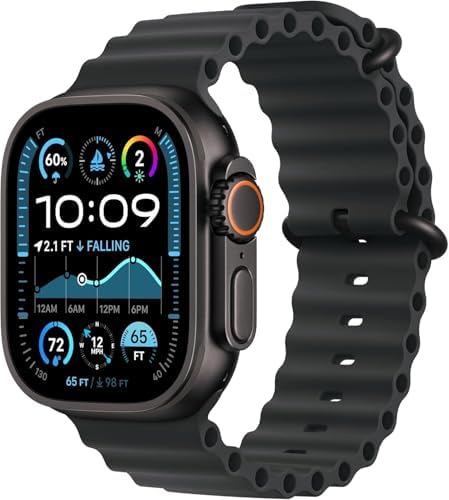
Deciding between the Apple Watch Ultra 3 and the Samsung Galaxy Watch Ultra 2025 is less about determining which is inherently superior and more about which aligns with personal priorities. The Apple Watch, with its advanced satellite features and exceptional water resistance, positions itself for explorations and long-term durability. It offers a slightly longer battery life and a brighter display, making it the ultimate companion for long-distance hikers and those who push boundaries. For iPhone users who want the absolute maximum in safety and performance, the choice is clear. The detailed comparison of Apple Watch Ultra 2 with competition may assist in understanding the progression of the Ultra line.
The Samsung Galaxy Watch Ultra 2025 presents a compelling alternative for Android enthusiasts wanting rugged durability without sacrificing sleek aesthetics. It provides a consistent and comprehensive health suite, integrated seamlessly into the Galaxy ecosystem. For everyday adventurers who spend weekends on the trail and weekdays in the office, the Samsung offers a more balanced execution. The final decision will rest upon the individual user’s smartphone preferences and the specific type of adventurous pursuits they undertake, which determines whether satellite rescue capabilities outweigh sleep pattern analysis in day-to-day usage.



![Apple Watch Ultra 2 [GPS + Cellular 49mm] - Black Titanium Case with Black Trail Loop, M/L (Renewed Premium)](http://www.donysterling.com/images/202607/1785403282874_b5ejza_0.jpg)
![Apple Watch Ultra 2 [GPS + Cellular 49mm] - Black Titanium Case with Black Trail Loop, M/L (Renewed)](http://www.donysterling.com/images/202607/1785406898986_kixuey_0.jpg)
![Apple Watch Ultra 2 [GPS + Cellular 49mm] - Black Titanium Case with Black Trail Loop, S/M (Renewed)](http://www.donysterling.com/images/202605/thumb_img/71732_thumb_G_1778569477263.jpg)
![Apple Watch Ultra 2 [GPS + Cellular 49mm] - Black Titanium Case with Blue Ocean Band (Renewed Premium)](http://www.donysterling.com/images/202607/1785403221939_2pgvvz_0.jpg)
![Apple Watch Ultra 2 [GPS + Cellular 49mm] - Black Titanium Case with Blue Ocean Band (Renewed)](http://www.donysterling.com/images/202607/1785403381169_cpzjlx_0.jpg)
![Apple Watch Ultra 2 [GPS + Cellular 49mm] - Black Titanium Case with Blue Trail Loop, M/L (Renewed)](http://www.donysterling.com/images/202607/1785403340105_ol7ase_0.jpg)
![Apple Watch Ultra 2 [GPS + Cellular 49mm] - Black Titanium Case with Blue Trail Loop, S/M (Renewed Premium)](http://www.donysterling.com/images/202607/1785403267990_boennu_0.jpg)