The Apple Watch SE 3 Cellular adds standalone LTE and 5G connectivity to Apple’s most accessible smartwatch line, allowing calls, messages, and music streaming without a paired iPhone nearby. Weighing 33 grams in the 40mm cellular configuration, it targets first-time smartwatch buyers and fitness-focused users who want core Apple Watch functionality at a lower entry point.
Where the SE 3 Sits in Apple’s Watch Lineup
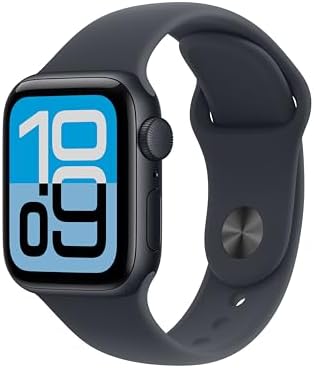
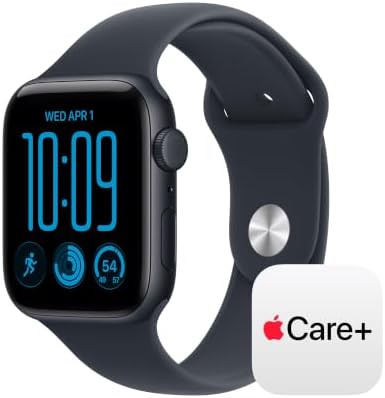
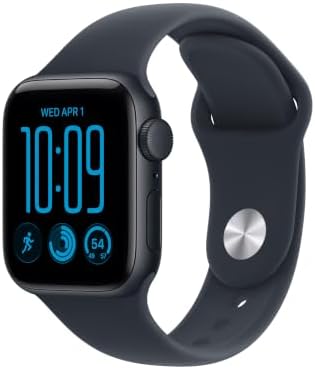
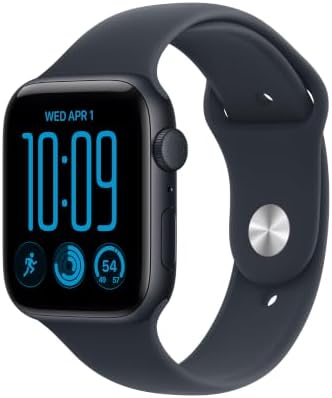
Apple structures its wearable range around three clear tiers: the flagship Series models, the rugged Ultra line, and the value-oriented SE family. The Apple Watch SE 3 [GPS 40mm] Midnight Aluminum 40mm S/M GPS smartwatch is the entry point into that ecosystem, and the cellular upgrade removes one of the biggest limitations that previously separated budget models from premium ones.
Design Language and Case Options
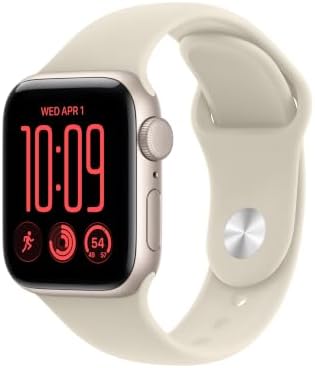
The SE 3 uses an aluminum case, a material Apple has refined across multiple generations for its balance of low weight and durability. The 40mm size fits wrists measuring roughly 130 to 200mm, while the larger 44mm variant accommodates 140 to 245mm wrists. Midnight, Starlight, and Silver finishes dominate the color palette, with Apple positioning Midnight as the default neutral option across its entire watch range.
Cellular Connectivity Explained
Cellular models carry a slightly higher price than GPS-only versions, and the difference buys genuine independence. With an active carrier plan, the watch handles phone calls, text messages, streaming audio, and app notifications over LTE and 5G networks. This matters for runners who leave phones at home, parents who want a reachable device for children, and anyone who prefers not to carry two devices.
Fitness, Health, and Safety Features
Apple positions the SE 3 around fitness and sleep tracking, heart rate monitoring, and an always-on display in its marketing materials. The optical heart rate sensor feeds continuous readings into the Workout app, which covers running, cycling, swimming, yoga, and dozens of other activity types.
- Heart rate monitoring: Continuous optical sensing during workouts and rest periods
- Sleep tracking: Automatic sleep stage detection through wrist motion and heart rate data
- Water resistance: Rated for swimming and shallow water activities
- Safety features: Fall detection and emergency SOS via cellular connection
- Display: Always-On Retina panel for glanceable information
The always-on display distinguishes the SE 3 from earlier budget Apple watches that required a wrist raise to check the time. Apple states that Siri integration extends to workout suggestions, recipe ideas, and wellness tips, though these features depend on regional availability and language support.
Software, Ecosystem, and the Apple Connection
Every SE 3 runs watchOS, sharing its software foundation with the Series and Ultra lines. That means access to the App Store, Apple Pay, Find My, and deep integration with iPhone notifications, calendars, and health data. The Apple brand’s ecosystem advantage is difficult to overstate for iPhone owners: setup takes minutes, data syncs automatically, and third-party developers consistently prioritize watchOS over competing platforms.
Wi-Fi 4 (802.11n) handles local network connections at 2.4GHz, while Bluetooth pairs with AirPods, fitness equipment, and other accessories. GPS on all SE 3 models provides accurate route tracking for outdoor workouts, independent of the cellular radio.
Cellular vs GPS-Only: Which Makes Sense
The cellular upgrade costs more upfront and requires a monthly carrier plan, so the decision comes down to use case. GPS-only buyers who always carry their phone lose nothing meaningful. Cellular buyers gain the ability to leave the phone behind during runs, errands, or kids’ activities while remaining reachable.
Battery life remains the tradeoff. Apple rates the SE 3 for up to 18 hours of typical use, with cellular activity drawing power faster than Wi-Fi or Bluetooth. Heavy LTE users should expect to charge daily, and sleep tracking requires a charging window before bed or after waking.
Who the SE 3 Cellular Is Built For
First-time smartwatch buyers who want Apple’s core experience without flagship pricing fit the SE 3 profile best. Fitness enthusiasts who value heart rate accuracy, workout variety, and phone-free running also benefit from the cellular option. Parents considering a watch for a child gain peace of mind through emergency SOS and location sharing, though family setup requires specific carrier support.
Buyers who need advanced health sensors like ECG or blood oxygen monitoring should look at the Series line instead. The SE 3 deliberately omits those features to keep costs down, a segmentation strategy Apple has maintained since the first SE model.
The Apple Watch SE 3 Cellular succeeds by covering the essentials well: accurate fitness tracking, reliable connectivity, safety features that work when they matter, and full integration with the iPhone ecosystem. For anyone entering the smartwatch category or upgrading from an older model, it delivers the Apple Watch experience at its most accessible price point, with the added freedom of staying connected without a phone in hand.
![Apple Watch SE 3 [GPS + Cellular 40mm] Smartwatch with Midnight Aluminum Case with Midnight Sport Band - M/L. Fitness and Sleep Trackers, Heart Rate Monitor, Always-On Display, Water Resistant](http://www.donysterling.com/images/202605/thumb_img/71863_thumb_G_1778570092390.jpg)
![Apple Watch SE 3 [GPS + Cellular 40mm] Smartwatch with Midnight Aluminum Case with Midnight Sport Band - S/M. Fitness and Sleep Trackers, Heart Rate Monitor, Always-On Display, Water Resistant](http://www.donysterling.com/images/202607/1785407537941_9xajm4_0.jpg)
![Apple Watch SE 3 [GPS + Cellular 40mm] Smartwatch with Starlight Aluminum Case with Starlight Sport Band - M/L. Fitness and Sleep Trackers, Heart Rate Monitor, Always-On Display, Water Resistant](http://www.donysterling.com/images/202607/1785403090816_nw2iia_0.jpg)
![Apple Watch SE 3 [GPS + Cellular 44mm] Smartwatch with Midnight Aluminum Case with Midnight Sport Band - M/L. Fitness and Sleep Trackers, Heart Rate Monitor, Always-On Display, Water Resistant](http://www.donysterling.com/images/202607/1785407556372_ikfjn2_0.jpg)
![Apple Watch SE 3 [GPS + Cellular 44mm] Smartwatch with Midnight Aluminum Case with Midnight Sport Band - S/M. Fitness and Sleep Trackers, Heart Rate Monitor, Always-On Display, Water Resistant](http://www.donysterling.com/images/202605/thumb_img/71861_thumb_G_1778570084364.jpg)
![Apple Watch SE 3 [GPS + Cellular 44mm] Smartwatch with Starlight Aluminum Case with Starlight Sport Band - M/L. Fitness and Sleep Trackers, Heart Rate Monitor, Always-On Display, Water Resistant](http://www.donysterling.com/images/202607/1785407204165_o4az75_0.jpg)
![Apple Watch SE 3 [GPS + Cellular 44mm] Smartwatch with Starlight Aluminum Case with Starlight Sport Band - S/M. Fitness and Sleep Trackers, Heart Rate Monitor, Always-On Display, Water Resistant](http://www.donysterling.com/images/202605/thumb_img/71859_thumb_G_1778570075819.jpg)