The Fitbit Charge 6 and the Google Pixel Watch 4 approach wrist-based health tracking from opposite design philosophies. One is a slim, focused tracker built to disappear on the wrist for days at a time, while the other is a full smartwatch that pairs deep Google integration with a round, app-friendly display. Choosing between them comes down to how much you want a screen, how often you charge, and whether you treat your wearable as a fitness instrument or an extension of your phone.
This guide breaks down the specifications that actually change the buying decision, from battery life and GPS accuracy to sensor hardware and ecosystem features. It is written for anyone weighing a purpose-built tracker against a premium smartwatch, and the comparison table below sets the baseline before the detailed analysis.
| Feature & Selling Point | Fitbit Charge 6 | Google Pixel Watch 4 |
|---|---|---|
| Form Factor | Slim fitness band with vertical OLED | Round smartwatch with domed display |
| Battery Life | Up to 7 days | Up to 30 hours (always-on); up to 48 hours in power-saving |
| Charging | Proprietary magnetic charger | Magnetic charging dock; faster top-up |
| Display Type | Always-on color AMOLED, vertical orientation | Always-on AMOLED, circular, higher peak brightness |
| GPS | Built-in GPS with GLONASS | Dual-frequency GPS (L1 + L5) |
| Heart Rate Sensor | Optical heart rate with EDA and SpO2 | Optical heart rate with ECG and SpO2 |
| Sleep Tracking | Sleep stages, score, Smart Wake | Sleep stages, score, Sleep Coach integration |
| Water Resistance | 50m (5 ATM) | 50m (5 ATM) |
| Built-in Speaker / Mic | No | Yes, for calls and Gemini |
| App Ecosystem | Limited; core fitness and health apps | Full Wear OS with Google Play |
| Payment & Wallet | Google Wallet via NFC | Google Wallet, plus full Google Pay integration |
| Health Membership | 3-month Google Health Premium included | 3-month Google Health Premium included |
| Compatibility | Android and iOS | Android 12.0 or newer only |
| Best For | Continuous health monitoring and week-long battery | Smartwatch features, calls, and app access |
| Price Positioning | Mid-range tracker pricing | Premium smartwatch pricing |
The table makes the central trade-off clear. The Charge 6 stretches a single charge across an entire week and keeps the sensor suite focused on continuous health metrics, while the Pixel Watch 4 provides a richer smartwatch experience with dual-frequency GPS and a full app ecosystem at the cost of daily charging. Neither approach is universally better; the right pick depends on whether battery endurance or on-wrist capability matters more to you.
Design Philosophy and Daily Wearability
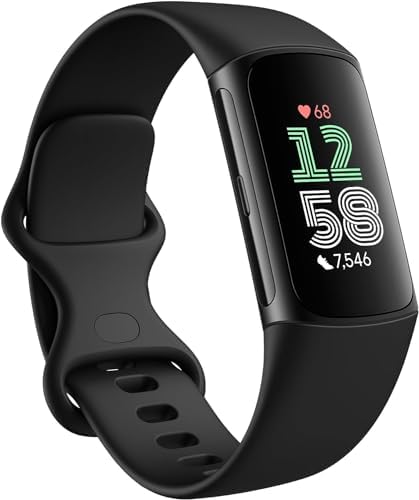
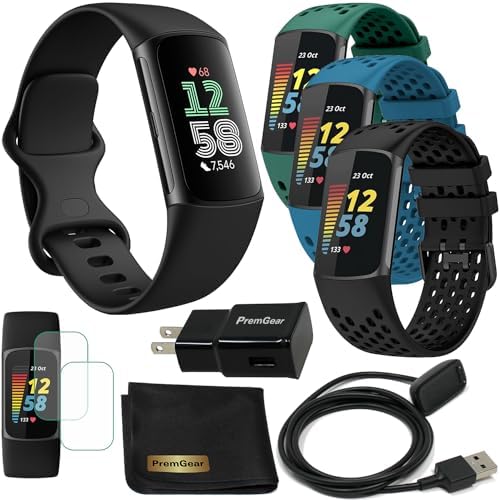
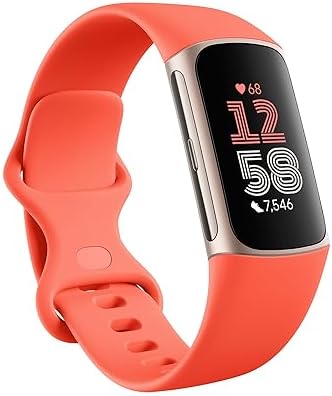
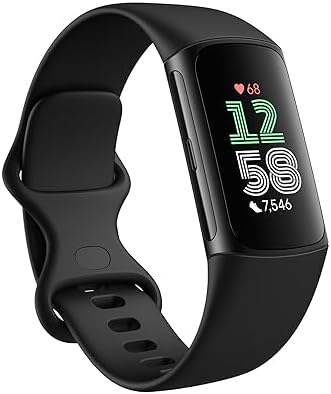
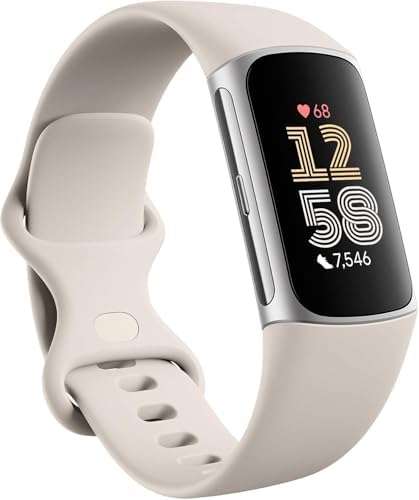
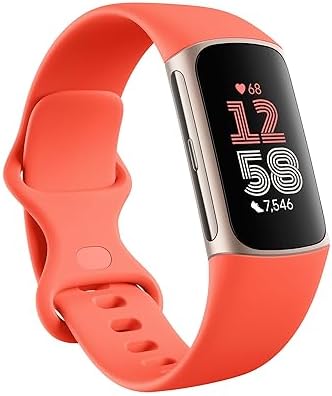
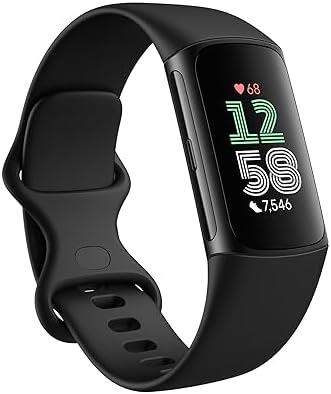
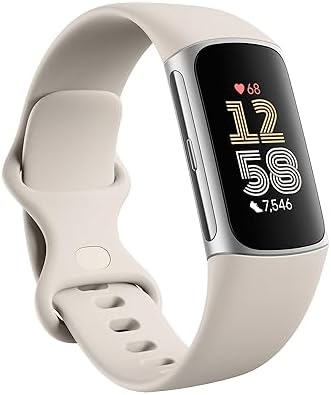
The Google Fitbit Charge 6 keeps the classic tracker silhouette: a narrow band with a vertical screen that hugs the wrist and stays out of the way during sleep and exercise. Its lightweight build makes it easy to forget you are wearing it, and the small profile slides under a shirt cuff without catching.
The Google Pixel Watch 4 takes the opposite route. Its circular face and domed glass read as jewelry first and tool second, and the 45mm variant in particular commands wrist presence. This design appeals to anyone who wants a traditional watch look with modern internals, while the Charge 6 appeals to those who prioritize unobtrusiveness.
For people who wear a watch to bed for sleep tracking, the difference is significant. A slim band rarely interferes with rest, whereas a round smartwatch can feel bulky against a pillow. This practical detail often decides the purchase for side sleepers.
Battery Life and Charging Habits
Battery is the sharpest divergence between these two devices. According to Google’s Pixel Watch 4 specifications, the watch offers up to 30 hours with always-on display enabled and up to 48 hours in a reduced-power mode from its 325mAh battery. That translates to a nightly charging ritual for most owners.
The Charge 6, by contrast, targets roughly a week of use between charges. For anyone who dislikes daily charging or wants to track sleep without a mid-week top-up, the tracker’s endurance is a genuine functional advantage rather than a spec-sheet footnote.
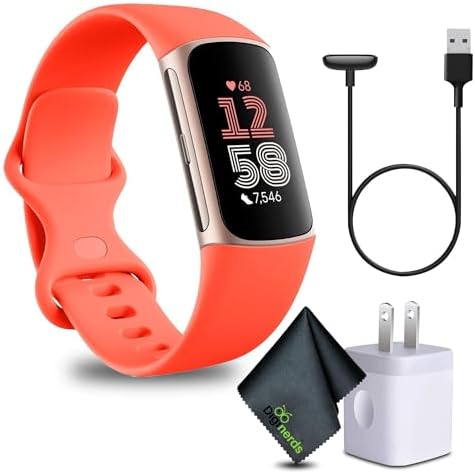
Charging hardware follows the same logic. The Pixel Watch 4 uses a magnetic dock that supports faster top-ups, which matters when you are squeezing a charge into a short window. The Charge 6 relies on its own magnetic charger and takes longer to fill, but because the interval between charges is so much wider, the slower rate rarely becomes an inconvenience.
GPS Accuracy for Runners and Cyclists
Outdoor athletes should pay close attention to the GPS difference. Google lists dual-frequency GPS (L1 plus L5) on the Pixel Watch 4, a setup that improves position accuracy in challenging environments such as dense cities or tree cover. It is the kind of hardware that reduces the drifting and cut-corner route traces that frustrate runners reviewing their splits.
The Charge 6 uses built-in GPS with GLONASS support. It is dependable for everyday runs and rides, and it removes the need to carry a phone for route logging, but it does not offer the same multi-band positioning as the Pixel Watch 4.
If accurate pace and distance data on demanding routes is central to your training, the smartwatch’s dual-frequency receiver is the stronger tool. If you mainly run predictable loops and care more about logging the session at all, the tracker’s GPS is entirely serviceable.
Sensors and Health Monitoring
Both devices share a common foundation: a 50m water resistance rating, optical heart rate, blood oxygen measurement, and detailed sleep staging. Each also includes a three-month Google Health Premium membership, which unlocks deeper analytics and guided programs.
The Pixel Watch 4 adds electrocardiogram capability, allowing users to take on-demand heart rhythm readings. That feature is absent on the Charge 6, which instead leans into stress management tools and continuous tracking of body responses across the day and night.
The Charge 6 also supports heart rate broadcasting to compatible gym equipment, a small but practical feature for people who want their treadmill or spin bike to display live heart rate without a chest strap. That specificity is why the Charge 6 remains a favorite among dedicated exercisers who value targeted functionality over general capability.
Smart Features and Ecosystem Depth
This is where the Pixel Watch 4 pulls away for users who want a wrist computer. It runs full Wear OS with access to Google Play, supports on-wrist calls through a built-in speaker and microphone, and integrates Gemini for voice-driven assistance. Those features make the watch genuinely useful for quick replies, navigation prompts, and app interactions without reaching for a phone.
The Charge 6 takes a deliberately narrower approach. It supports Google Wallet payments, notifications, and core health apps, but it does not attempt to replicate a phone on your wrist. That restraint is a feature for some users, not a shortcoming.
The Fitbit ecosystem still defines the tracker experience, from its simplified interface to the tight focus on activity and recovery metrics. Meanwhile, Google shapes the Pixel Watch 4, tying it more closely to Android services and the assistant ecosystem. Compatibility follows this split as well: the Pixel Watch 4 requires Android 12.0 or newer, while the Charge 6 pairs with both Android and iOS.
Who Should Buy Which Device
The decision comes down to a handful of practical questions. If week-long battery life, a lightweight band, and focused fitness tracking top your list, the Charge 6 is the more logical choice. It excels at continuous health monitoring and does so without demanding a nightly charge.
If you want a proper smartwatch with a bright circular display, dual-frequency GPS, ECG readings, on-wrist calls, and access to the Play Store, the Pixel Watch 4 justifies its higher price and shorter battery life. It is the better fit for Android-first users who treat their wearable as a companion device rather than a passive tracker.
There is also a middle path worth noting: some buyers wear a slim tracker for sleep and a smartwatch during the day. But for most people choosing a single device, the trade-off between endurance and capability is the deciding factor.
The Long-Term Wearable Decision
Both devices reflect where Google is steering its wearable strategy: unifying Fitbit’s health expertise with its own hardware and software stack. The Charge 6 demonstrates what a disciplined, specialized tracker can still achieve, while the Pixel Watch 4 shows the ceiling of what a full Google smartwatch can offer on the wrist.
The wiser purchase is the one aligned with your daily habits, not one spec sheet. A week of battery changes how you sleep, travel, and train; a richer app ecosystem changes how you communicate and navigate. Match the device to the lifestyle you actually live, and either wearable will serve you well for years.