Deciding between the Samsung Galaxy Watch 5 Pro and the Google Pixel Watch often comes down to battery philosophy, durability priorities, and operating system loyalty. Both wearables target Android users, yet each approaches the smartwatch experience from a distinctly different direction. This detailed comparison serves as a practical buying guide, breaking down core specifications, health tracking capabilities, and real-world usability so that readers can confidently choose the device that aligns with their lifestyle. The facts and figures below come from official manufacturer sources and objective technical analysis, making this a reference worth keeping on hand when comparing these two competitive models.
| Feature & Selling Point | Samsung Galaxy Watch 5 Pro | Google Pixel Watch |
|---|---|---|
| Case Material | Titanium | Stainless Steel |
| Water Resistance | 5 ATM / IP68 | 5 ATM |
| Battery Life (Typical) | Up to 80 hours | Up to 24 hours |
| Charging Speed | Fast charging (45 min to 45\%) | Fast charging (50\% in 30 min) |
| GPS Tracking | Yes (with GPX support) | Yes (built-in) |
| Fitness Tracking | Advanced (body composition, ECG) | Comprehensive (Fitbit integration) |
| Display Size | 1.4-inch Super AMOLED | 1.2-inch AMOLED |
| Operating System | Wear OS (Samsung customization) | Wear OS (Google pure experience) |
| Key Selling Point | Rugged titanium build | Compact premium design |
| Best For | Outdoor activities and multi-day trips | Everyday wear and fitness beginners |
The table above reveals two fundamental differences that should steer most purchasing decisions. The Galaxy Watch 5 Pro excels in battery longevity and rugged construction, offering more than three days of typical use compared with the Pixel Watch’s single-day endurance. On the other hand, the Pixel Watch delivers a more streamlined software experience designed entirely by Google, which appeals to users who prioritize polished daily interactions over multi-day autonomy.
Understanding the Hardware and Build Philosophy
The design language of each smartwatch tells a different story about intended usage. The Galaxy Watch 5 Pro uses a titanium case, a material chosen for its strength-to-weight ratio, making the watch both protective and comfortable during extended trail runs or overnight backpacking trips. Its raised bezel adds a layer of scratch protection, and the 5 ATM / IP68 water resistance means it can handle swimming or heavy rain without concern. This is a device engineered for people who see their smartwatch as outdoor gear rather than a fashion accessory.
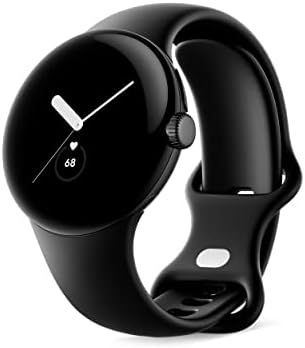
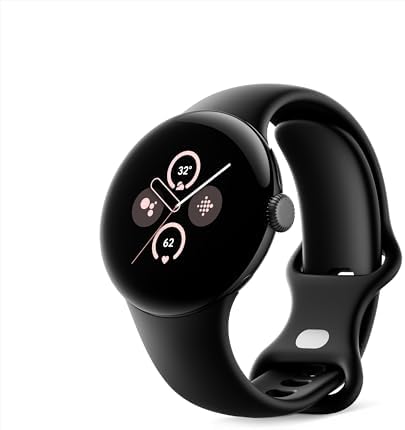
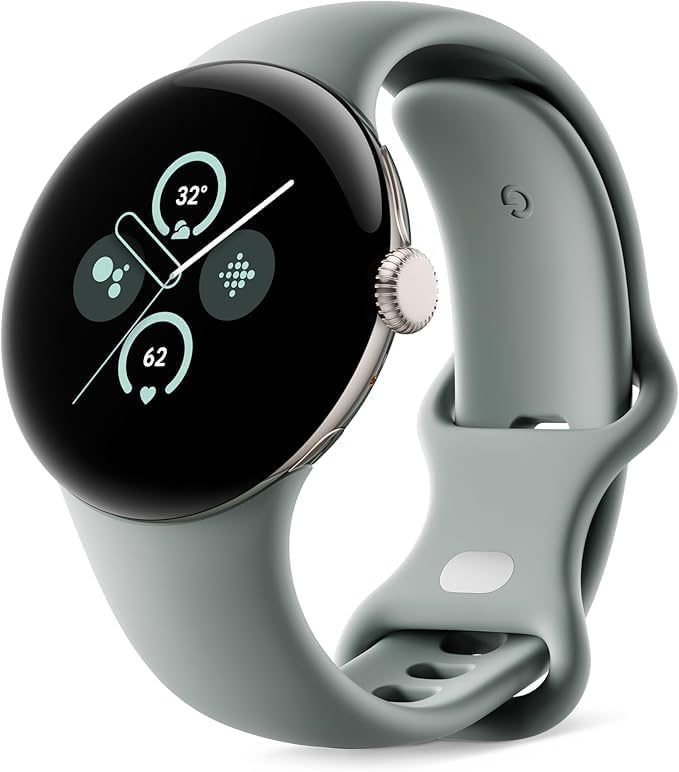
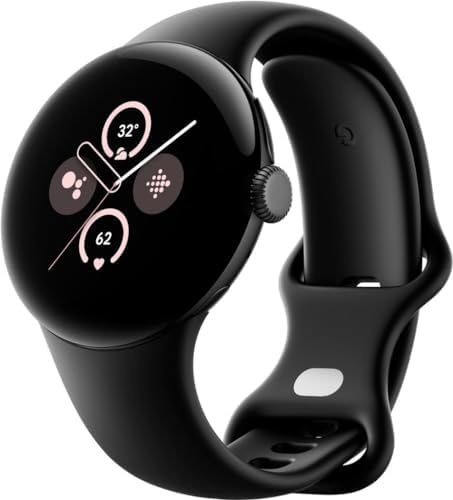
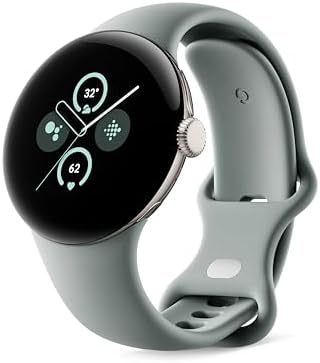
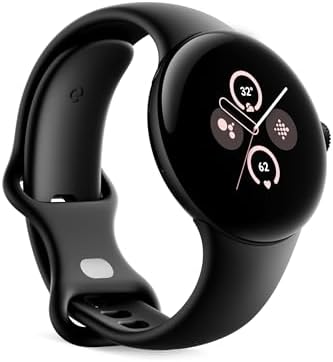
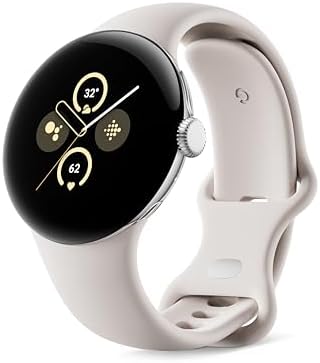
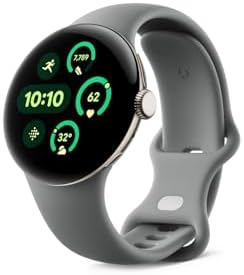
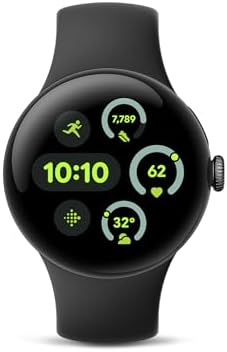
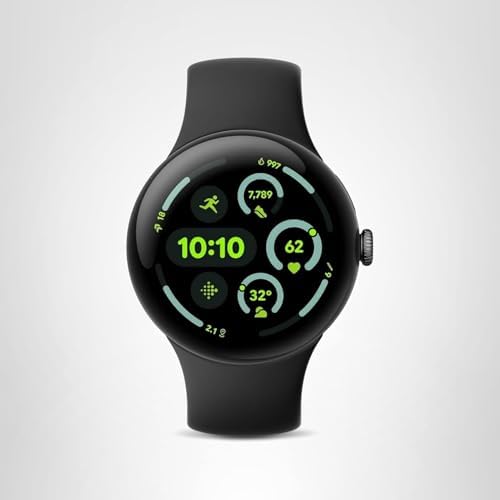
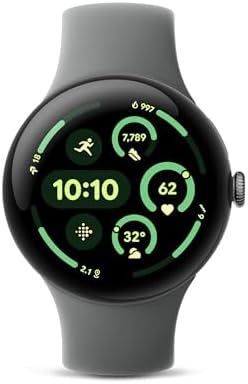
Google’s Pixel Watch, conversely, adopts a domed stainless-steel case with a smooth, rounded silhouette. This design is instantly recognizable and comfortable for all-day wear, especially for those who sleep with the watch for overnight recovery tracking. The 5 ATM rating matches the Galaxy Watch 5 Pro for basic water exposure, but the smaller case diameter and thinner profile make the Pixel Watch better suited for office settings, everyday errands, and users with slimmer wrists who prefer a subtle presence on the wrist.
Battery Life and Charging Realities
Battery endurance remains one of the most critical differentiators between these two wearable platforms. Samsung equipped the Galaxy Watch 5 Pro with a 590 mAh battery, which translates into roughly 80 hours of typical mixed usage, according to the company’s official specifications. With always-on display disabled, users often report stretching that figure toward four full days. Fast charging adds about 45 percent capacity in roughly 45 minutes, making it simple to top up during a morning routine.
The Pixel Watch features a noticeably smaller battery that typically lasts from waking up to bedtime on a single charge. Google states that the watch offers up to 24 hours of usage, and fast charging delivers 50 percent in approximately 30 minutes. This shorter endurance means users should adopt a daily charging habit, which is a reasonable trade-off for the Pixel Watch’s lighter form factor and fully integrated Fitbit health platform. Those who value forget-about-it battery life will naturally gravitate toward the Samsung device.
Fitness Tracking, Health Sensors, and Outdoor Orientation
Samsung’s Galaxy Watch 5 Pro includes a comprehensive suite of health sensors, including optical heart rate monitoring, electrocardiogram (ECG) support, blood oxygen measurement, and bioelectrical impedance analysis for body composition readings. For outdoor enthusiasts, the watch supports GPX route import, meaning users can download walking, hiking, or cycling routes and follow them directly off the wrist. This feature converts the watch into a capable navigation aid for a scenic weekend expedition.
Google’s Pixel Watch, meanwhile, leverages Fitbit’s deeply refined health-tracking algorithms. Active Zone Minutes, sleep-stage detection, and a well-designed companion application provide a beginner-friendly entry into understanding personal health trends. While the Pixel Watch lacks route import and advanced outdoor mapping tools, it counters with excellent readiness scores, reliable step counting, and tight integration across Google’s ecosystem, including Google Assistant, Maps, and Wallet.
According to a Samsung community discussion comparing the Galaxy Watch 5 Pro with the newer Watch Ultra 2, Samsung’s sleep tracking performance is positioned as mid-tier, performing better than Huawei but falling short of Oura, Apple, Google, and Fitbit. This indicates that Google’s Fitbit-powered approach retains an edge in sleep pattern analysis, while Samsung’s focus leans toward rugged utility and robust battery capacity.
Display Quality and Everyday Usability
The Galaxy Watch 5 Pro incorporates a 1.4-inch Super AMOLED panel with a 450 x 450 pixel resolution, delivering sharp text, vivid colors, and excellent outdoor visibility. The pixel-dense display is protected by sapphire crystal, which resists scratches effectively during rigorous handling. This is complemented by a noticeable rotating bezel alternative that enhances navigation on smaller screens without blocking the visual experience.
The Google Pixel Watch features a smaller 1.2-inch AMOLED display with a resolution of 450 x 450 pixels, which means similar sharpness but with less overall viewing area. The domed glass creates a distinctive curved aesthetic, and the display peaks impressively for readability under direct sunlight. However, the curved edges can occasionally catch dim reflections depending on lighting conditions, a minor drawback for a watch whose design centers on smooth elegance.
Software Experience and Ecosystem Integration
Both devices run Wear OS, but the user experiences diverge significantly due to customization choices made by each manufacturer. Samsung’s One UI Watch layer organizes notifications, quick settings, and health dashboards in a grid that pulls app tiles together cohesively. Integration with Samsung smartphones is especially deep, offering features like camera remote control, media playback management, and synchronized app installation without requiring additional third-party setup.
Google’s Pixel Watch, naturally, offers the most polished version of Wear OS available. Users receive first-party experiences for Google Maps navigation, Google Wallet contactless payments, Google Assistant voice commands, and seamless integration with Fitbit, which Google acquired in 2021. For those embedded in the Google ecosystem, notification mirroring and Gmail access work effortlessly. Notably, both watches function with Android 8.0 and higher devices with at least 1.5 GB of RAM, according to official Samsung support documentation, ensuring broad compatibility with most older Android handsets.
Pricing and Value Considerations in 2025
When evaluating long-term value, the Galaxy Watch 5 Pro typically commands a premium launch price, often positioned at a higher tier than the Pixel Watch due to its titanium construction and larger battery. However, discounts become increasingly regular as newer models appear, making the previous-generation Pro model an attractive entry point for users seeking flagship durability without paying flagship pricing. Frequent promotions on carrier bundles and trade-ins can bring the effective cost down further.
The Pixel Watch tends to sit at a lower MSRP, reflecting its relatively compact hardware and less expensive stainless-steel case. Yet, the device includes premium health tracking software from Fitbit without subscription barriers for core metrics, adding substantial value for users who would otherwise pay a monthly fee for advanced analytics on other platforms. Those who already subscribe to Fitbit Premium gain even deeper trend analysis, sleep scores, and personalized wellness reports.
For potential buyers exploring Samsung’s current lineup, the broader Samsung smartwatch collection includes successors like the Galaxy Watch 6, which streamlines the Pro’s most useful features into a slightly lighter package. Shoppers seeking a more active-oriented build with extended water resistance should also consider the titanium-built Galaxy Watch Ultra, which introduces a rugged construction tailored for extreme conditions. For those specifically interested in the Pro model, the dedicated Galaxy Watch 5 Pro product page remains the definitive destination to verify current pricing and availability.
Making the Final Decision Based on Lifestyle Needs
Choosing between these two smartwatches should ultimately reflect a user’s daily routine rather than raw specifications alone. For the multi-day trekker, weekend camper, or fitness enthusiast training for marathons, the Samsung Galaxy Watch 5 Pro presents a compelling argument with extended battery life, rugged titanium casing, and GPX navigation for uncharted routes. This device performs reliably even when charging access is scarce, making it an essential companion for remote environments.
Alternatively, the Google Pixel Watch wins favors among commuters, desk professionals, and those just entering the smartwatch market who seek an intuitive introduction to wearable health tracking. Fitbit’s time-tested analytics guide help users establish routines around sleep optimization, step goals, and activity readiness without feeling overwhelmed by technical complexity. Its compact case shines on smaller wrists, and the close relationship with Google services ensures a connected experience that grows more convenient with everyday use.
Ultimately, ownership satisfaction comes from matching the device to personal priorities. Buyers who value several days of freedom from a charger and drop-resistant construction should place strong trust in the Galaxy Watch 5 Pro. Those drawn to graceful cylindrical design, transparent user interfaces, and data-driven health insight will likely consider the Pixel Watch more satisfying for daily wear. Either choice equips an Android user with a capable, modern smartwatch, and this guide provides the objective framework needed to select the option that fits each unique lifestyle.