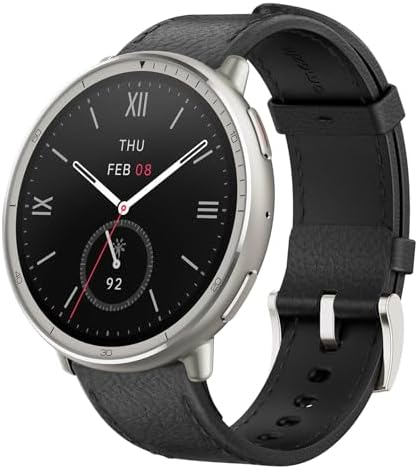
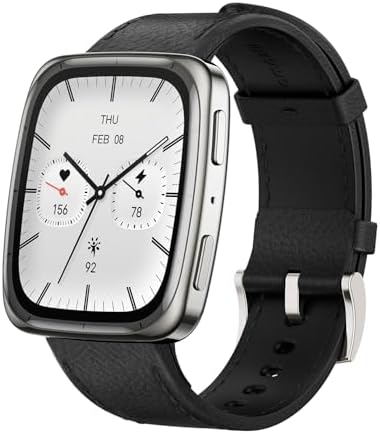
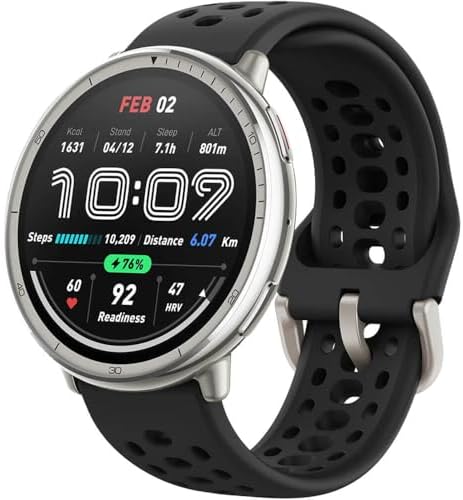
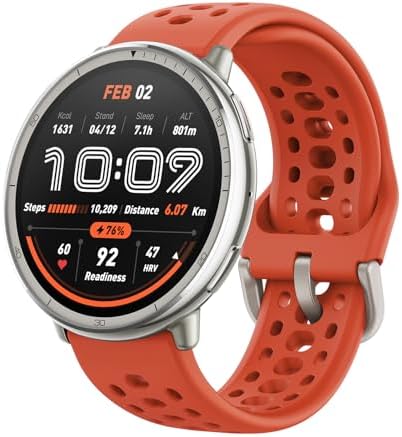
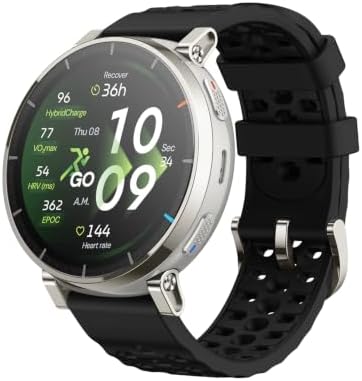
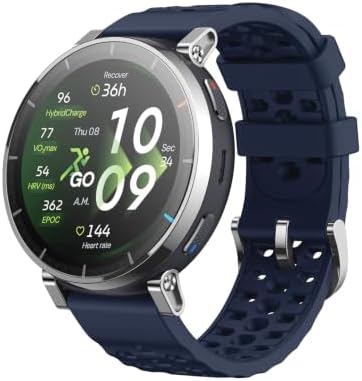
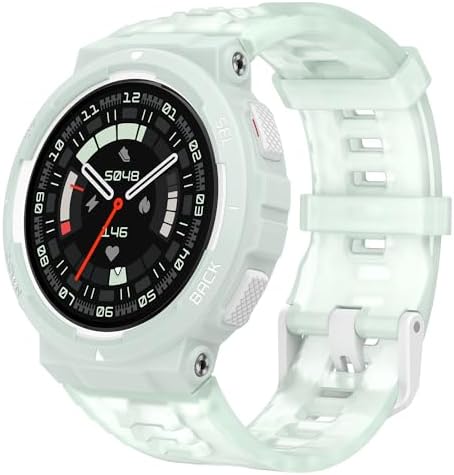
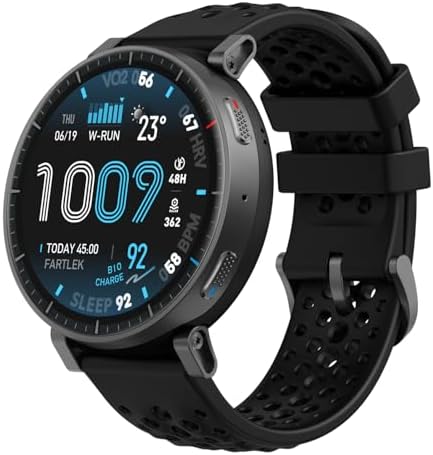
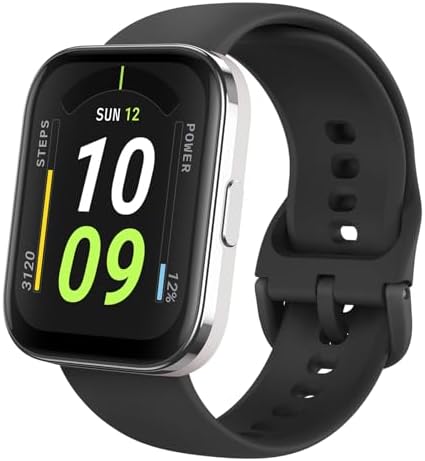
The Amazfit brand builds the GTS 2 around a 1.65-inch AMOLED panel rated at 341 ppi, wrapped in 3D curved glass that meets an aluminum alloy frame almost without a visible seam. That combination of a bright, high-density screen and a slim, rounded body is the watch’s clearest statement: it wants to look like a traditional timepiece while behaving like a modern fitness device.
This guide walks through the display, the BioTracker 2 sensor array, the battery figures Amazfit publishes, and the smart features that shape daily use, so the GTS 2 can be judged on what it actually offers rather than on category hype.
Design Language and the AMOLED Display
The 3D curved glass is the element that defines the GTS 2’s silhouette. Rather than a flat pane sitting inside a raised bezel, the glass rolls gently into the case, so the screen appears to float above the aluminum alloy body. The result is a watch that reads as slimmer than its dimensions suggest and that slides under a shirt cuff without snagging.
At 341 ppi, the AMOLED panel keeps text, watch faces, and notification cards sharp enough to read at a glance. Because AMOLED can dim individual pixels, the always-on display mode can show the time and a small amount of data continuously while drawing very little power, which matters for a watch that is meant to be worn around the clock.
At roughly 25 grams without the strap, the GTS 2 stays light enough for sleep tracking, and the single side button gives a tactile way to jump back to the home screen. The 20mm quick-release lugs accept standard third-party bands, so the look can shift from silicone sport strap to leather or nylon in seconds.
Health Monitoring With the BioTracker 2 Sensor
Amazfit built the GTS 2 around its BioTracker 2 PPG optical sensor, which handles continuous heart rate measurement and feeds the watch’s other wellness functions. Heart rate is logged 24 hours a day, and the watch can alert the wearer when readings move above or below set thresholds, which is useful during both workouts and rest.
Blood oxygen saturation, or SpO2, is measured on demand and can be tracked over time. Sleep analysis breaks the night into light, deep, and REM stages, then produces a sleep score with suggestions for improving rest. Stress monitoring uses heart rate variability to estimate stress levels through the day, and when elevated stress is detected, the watch can guide a short breathing exercise. A menstrual cycle tracking tool is included as well.
Sport Modes, GPS, and Battery Expectations
More than 90 sport profiles cover running, cycling, swimming, yoga, and most activities in between. The 5 ATM water resistance rating means the watch can be worn for swimming and showering, and the built-in GPS records routes without a paired phone, which is the feature outdoor runners and cyclists tend to rely on most.
Battery life is where the GTS 2 separates itself from many flagship smartwatches. Amazfit states up to 7 days of typical use, a figure that assumes continuous heart rate monitoring, sleep tracking, and a few GPS sessions per week. With an hour of GPS activity every day, that number drops to roughly 3 to 4 days, but the watch still avoids the nightly charging routine that defines much of the category.
Smart Features, Calls, and Offline Music
Bluetooth calling is supported through a built-in speaker and microphone, so calls can be answered and placed from the wrist. On Android, notifications can be read and answered with preset quick replies or emojis. The watch also carries 3GB of internal storage, enough for hundreds of tracks that can be played through a paired Bluetooth headset without a phone nearby, and Amazon Alexa is built in for voice commands such as weather checks, alarms, and smart home control.
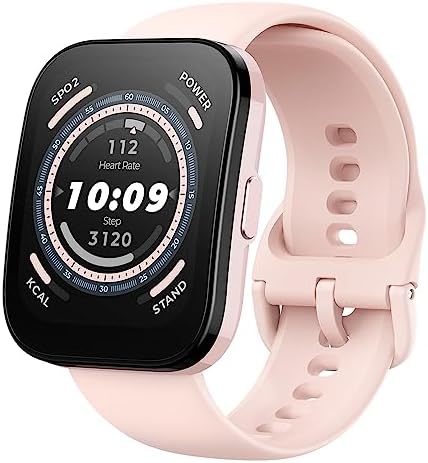
Buyers who want the same health-first approach in a smaller case can look at a model like the Amazfit GTS 4 Mini Smart Watch Pink GPS, which trims the footprint while keeping GPS, SpO2, and multi-day battery life. A second path into the ecosystem is a renewed Amazfit GTS 4 Mini Smart Watch, which offers the same core fitness tracking at a lower entry point.
Where the GTS 2 Fits in the Amazfit Lineup
Positioned between the brand’s entry-level trackers and its larger sport watches, the GTS 2 leans toward everyday wear rather than extreme use. The aluminum case, curved glass, and light weight suit office days and casual training alike, while the 5 ATM rating and GPS cover pool sessions and weekend runs.
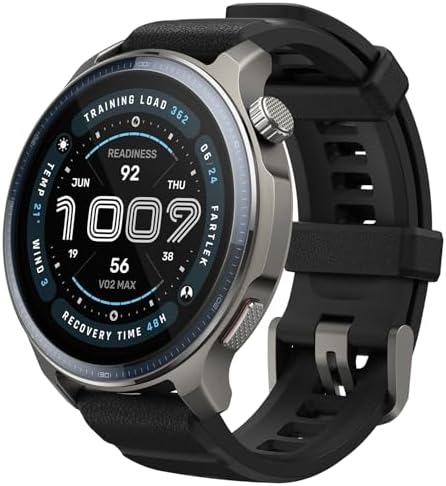
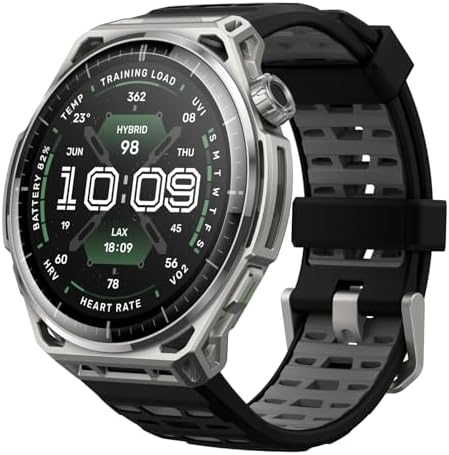
For anyone who wants a bigger screen, a more rugged build, and a longer rated battery span, a model like the Amazfit Active Max Smart Watch 48mm GPS brings the same philosophy into a larger 1.5-inch AMOLED format with offline maps and 170+ sport modes. The GTS 2 remains the more compact, dressier option of the two.
What the GTS 2 ultimately represents is a specific set of trade-offs made well: a screen that looks premium, sensors that cover the health metrics most people actually check, and a battery that lasts through the week instead of the day. For a watch that is worn from morning alarm to sleep score, that balance is the whole point.