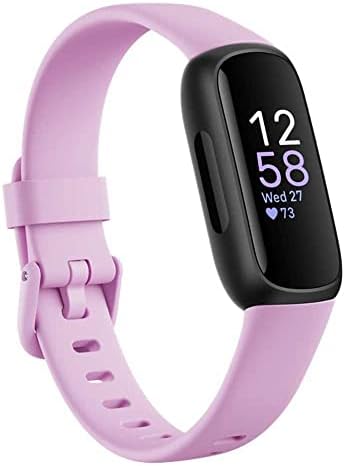
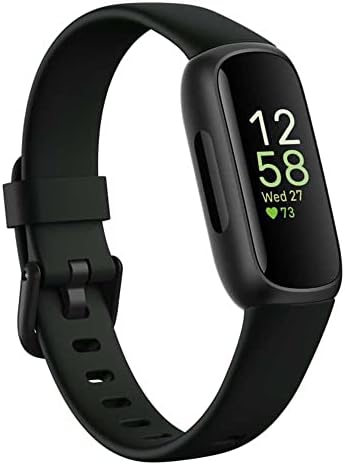
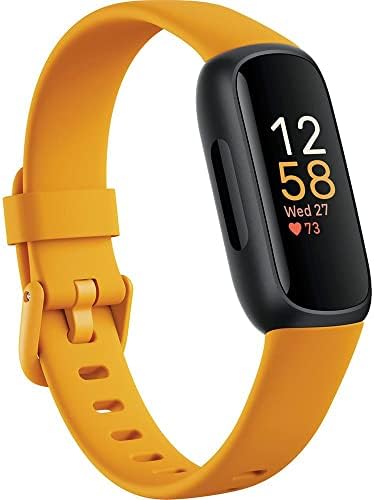
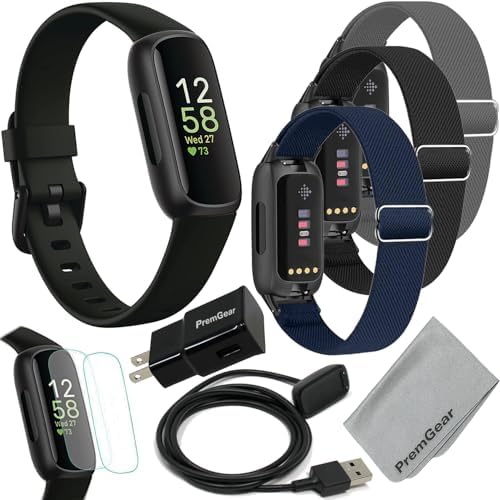
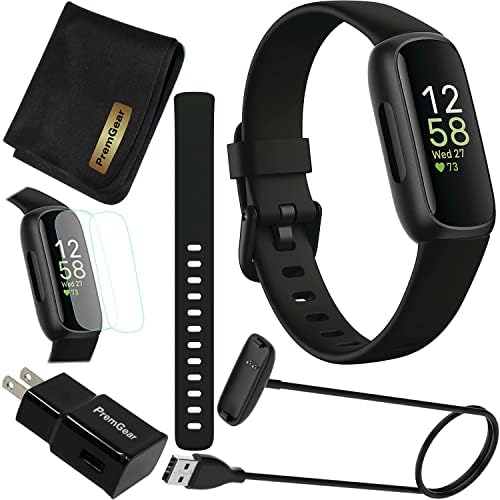
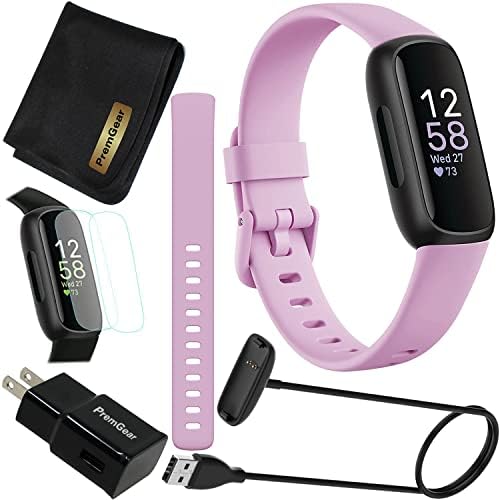
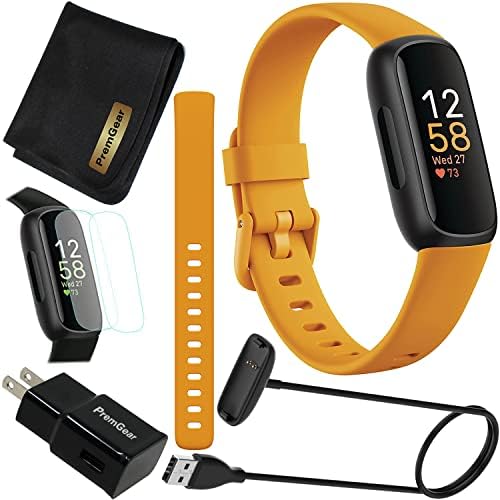
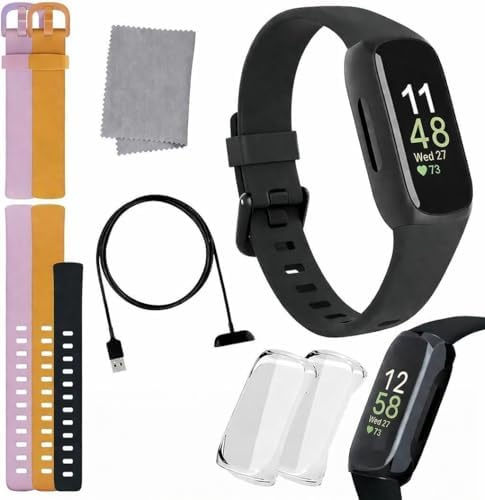
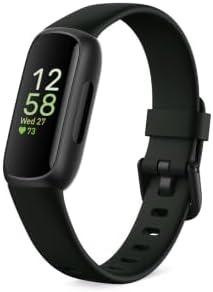
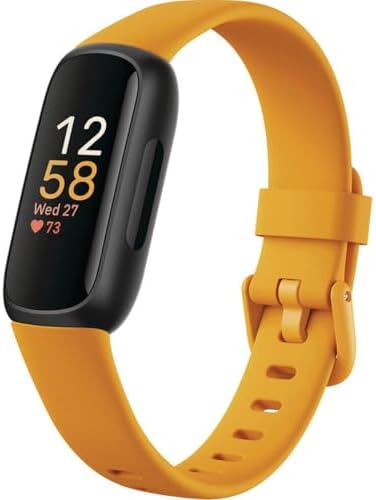
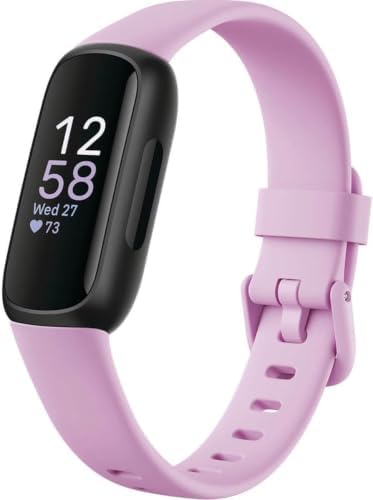
The Fitbit Inspire 3 weighs 17.69 grams, a figure that matters more than any spec sheet headline once a run crosses the forty-minute mark. Where GPS watches load the wrist with metal and sapphire, this tracker disappears against the skin, held in place by a flexible elastomer band that does not shift during tempo intervals or long slow distance. For runners who already own a phone, that is the entire proposition: let the handset handle mapping, let the band count the heartbeats.
Positioning the Inspire 3 trackers as training tools rather than step counters is a deliberate reading of the brief. The line was designed for all-day wear, and its running credentials come from continuous optical heart rate sampling rather than from multi-band satellite chips. Understanding what that design choice delivers, and what it deliberately leaves out, is the difference between a satisfied owner and a returned unit.
Heart Rate Data and Active Zone Minutes on the Move
The accelerometer records motion patterns, while the optical sensor tracks blood flow at the wrist throughout the day and through every session. During a run, that translates into real-time heart rate on the display and Active Zone Minutes, the metric that converts time spent in fat burn, cardio, and peak zones into a single weekly tally. For runners following a polarized plan, the appeal is straightforward: the device tells its owner whether an easy day actually stayed easy.
Zone accuracy depends on strap tension. Worn two fingers above the wrist bone and tightened enough to leave a faint mark, the sensor holds a signal through steady efforts. Sprints and hill repeats introduce lag, and the tracker will occasionally report a plateau where a chest strap would show a staircase. The daily readiness score partially compensates by folding sleep, heart rate variability, and recent activity into a morning number, giving runners a reason to back off before a hard session turns into an unplanned rest week.
Practical Accuracy Notes
- Best results come from a snug fit and a clean sensor window before each run.
- Intervals under thirty seconds may read low as the algorithm catches up.
- Zone minutes accumulate automatically, with no start or stop button required.
For most recreational and club-level runners, the trade is acceptable. A device that stays on the wrist twenty-four hours a day collects more contextual data over a training block than a chest strap switched on for three weekly sessions, and consistency of measurement matters more than laboratory-grade precision when the goal is trend spotting.
Where the Tracker Fits Without a Satellite Fix
The absence of built-in GPS shapes the entire running experience. Connected to a phone, the tracker borrows the handset’s satellite fix and displays pace and distance on a small but legible colour screen. Standing alone, it records steps, heart rate, and zone minutes without a route trace at all. Runners who habitually carry a phone are unbothered; runners who prefer a bare wrist on race day will notice the gap immediately.
That gap is also a strength. Freed from satellite circuitry, the battery stretches to around ten days of typical use, and a single charge survives a full working week of commuting runs, gym sessions, and overnight sleep tracking on the same wrist. A charger that gets used once a week disappears from the packing list, and a tracker without a charging ritual is a tracker that never records a blank night.
Water resistance to 50 metres covers rain, sweat, and pool sessions, though the touchscreen behaves poorly underwater and open-water swimmers should treat it as a bonus rather than a feature. For road and treadmill work, the sealed case simply means rinsing the band after a hot run is the only maintenance required. Runners who want a wearable that mirrors this phone-first approach across the wider catalogue can explore the Fitbit brand’s broader lineup of trackers and smartwatches, including the Fitbit Inspire 3 Health & Fitness Tracker Midnight Zen/Black.
Sleep, Recovery, and the Health Layer
Running load only becomes fitness when recovery keeps pace, and this is where the tracker earns its place on the wrist overnight. Sleep stages, resting heart rate trends, and blood oxygen readings combine into a recovery picture that no run-only device can produce. Skin temperature tracking adds a nightly baseline, and a deviation from the norm can flag illness or overtraining before a sore throat does.
The included three-month membership to a health premium service extends the picture with deeper analysis, though most runners will find the free core summaries sufficient for day-to-day decisions. Stress management scores, breathing sessions, and a persistent nudge to move during desk-bound afternoons complete a profile of the runner as a whole person rather than a workout log.
- Battery: Up to 10 days on typical use, longer with fewer tracked activities.
- Water resistance: 50 metres, suitable for pool laps and showers.
- Display: Colour touchscreen with adjustable brightness for outdoor daylight.
- Compatibility: Syncs with iOS and Android through the companion app.
Choosing Within the Lineup Based on Running Style
Runners shopping within the family face a clean fork. Those who want wrist-based GPS and standalone route recording must step up to a model with satellite hardware; those who train with a phone in a belt or pocket can buy this tracker, save the money, and lose nothing that matters to their sessions. The dividing question is not budget but habit: does the phone come along on every run?
Within the tracker bracket, the appeal is the combination of a slimmer profile, longer battery life, and a full health sensor array. Runners with small wrists and a history of abandoning chunky watches after a fortnight will find this the easiest device in its class to forget about between sessions, which is precisely the point. The right fitness device is the one worn often enough to tell the truth about training load, and comfort is the prerequisite for that.
The Verdict for Daily Training
As a running tool, the Inspire line occupies a specific niche: an honest heart rate zone keeper, a tireless sleep recorder, and a ten-day battery wrapped in 17 grams of plastic and elastomer. It will not give a bare-wrist marathoner a route map, and it will not satisfy anyone chasing interval splits to the second. It will, however, keep a recreational runner accountable through a full training block without ever demanding a midweek charge.
For runners building consistency rather than chasing marginal seconds, that trade is sensible. The wrist-worn companion becomes a background coach rather than a demanding gadget, and every session feeds a broader health picture that lasts well beyond the taper. That quiet reliability, worn through rain, sweat, and sleep, is a quiet kind of value: a tracker that measures without getting in the way of the miles.