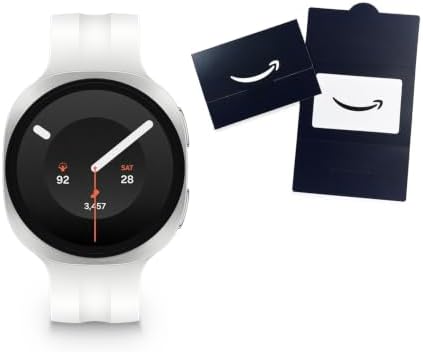
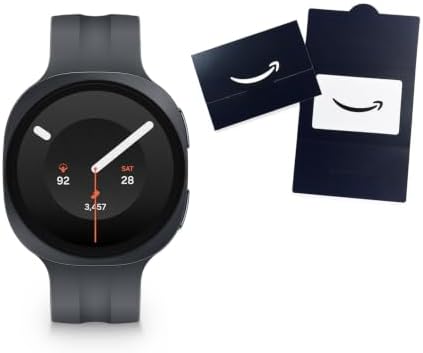
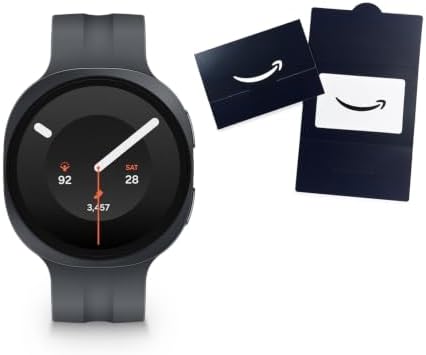
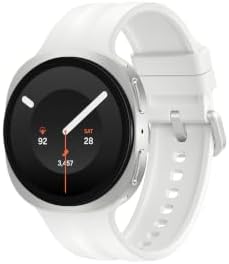
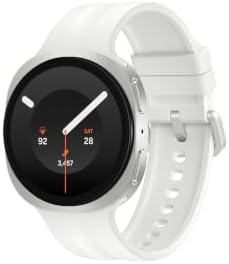
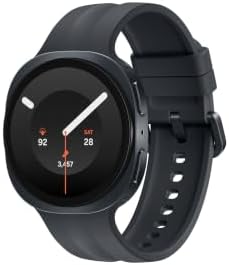
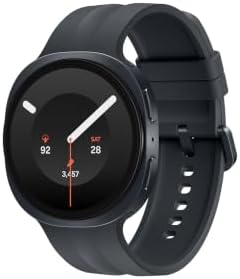
The Samsung Galaxy Watch9 and the Galaxy Watch Ultra2 sit at opposite ends of Samsung’s recent smartwatch strategy, and the gap between them is wider than a simple size difference. The Watch9 is built for all-day wear, pairing a lightweight aluminium case with the familiar round silhouette and a wellness-first feature set. The Galaxy Watch Ultra2 targets a different buyer entirely: a titanium chassis, a raised cushion bezel, a 47mm frame and LTE connectivity as the headline configuration. Choosing between them is not about which watch is objectively better, because Samsung designs each model for a different user. It is about which set of trade-offs matches your wrist, your training and your daily routine.
This guide works through those trade-offs dimension by dimension, from case material and battery capacity to sensor arrays and durability ratings, using the manufacturer’s own published specifications and buying-guide comparisons. By the end, the decision should feel less like picking a winner and more like recognising which watch was engineered for the way you actually live.
| Feature & Buying Factor | Galaxy Watch9 | Galaxy Watch Ultra2 |
|---|---|---|
| Case Sizes | 40mm and 44mm | 47mm only |
| Case Material | Aluminium | Titanium |
| Display (40mm / 47mm) | 1.34-inch, 438 x 438 (40mm); 1.47-inch, 480 x 480 (44mm) | Larger panel on the 47mm titanium body |
| Battery Capacity | Smaller cell sized to the 40/44mm case | Samsung states a 20\% larger battery than the previous model |
| Connectivity Options | Bluetooth and cellular variants | LTE standard on the launch configuration |
| Health Sensor Suite | Samsung BioActive sensor with AI health features | Same BioActive sensor family with AI health features |
| Sleep and Wellness Tracking | Sleep insights and fitness coaching emphasised | Sleep quality reporting and workout tracking |
| Durability Focus | Everyday wear with lightweight aluminium build | Titanium construction marketed for outdoor use |
| GPS and Outdoor Navigation | Standard GPS tracking for runs, rides and walks | Sold as a GPS smartwatch for adventure use |
| Target User | Daily wear, health tracking, sleep analysis | Training, hiking and demanding outdoor conditions |
| Wrist Presence | Compact and unobtrusive on small wrists | Substantial 47mm footprint |
| Typical Selling Angle | Balanced smartwatch at an accessible price tier | Premium materials and extended battery life |
| Software and AI Features | Samsung AI health and coaching tools | Same AI health platform shared across both models |
| Ideal Daily Scenario | Office days, workouts, sleep tracking overnight | Multi-day hikes, open-water sessions, remote runs |
The table shows the decision forming quickly: the Watch9 optimises for size range, lighter materials and all-day subtlety, while the Galaxy Watch Ultra2 commits fully to a single large titanium format with a bigger battery and standard LTE. Samsung’s own comparison pages confirm these are the primary distinctions, with the Ultra2’s 20\% battery increase being the most consequential line item for anyone who spends hours away from a charger.
Design and Wrist Presence: Where the Two Watches Diverge Most
The most immediate difference when handling both watches is physical. Samsung builds the Galaxy Watch9 around a 40mm and 44mm aluminium case, which keeps the weight low and the profile slim enough to slip under a jacket cuff. The published display figures reflect that approach: a 1.34-inch, 438 x 438 panel on the 40mm variant and a 1.47-inch, 480 x 480 panel on the 44mm version. The result is a watch that reads as jewellery as much as a device.
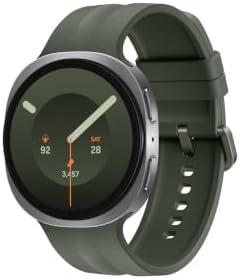
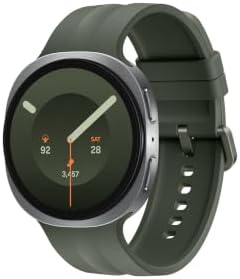
The Galaxy Watch Ultra2 takes the opposite path. Its 47mm titanium case signals purpose rather than discretion, and the change in material is not cosmetic. Titanium reduces weight relative to steel while resisting corrosion from sweat and saltwater, a distinction Samsung leans into by marketing the model as a GPS smartwatch built for adventure. Users who have worn previous large watches will recognise the trade-off instantly: more screen and more battery come with a wrist presence that never disappears.
Buyers with slimmer wrists often discover that the 47mm Ultra2 extends beyond the natural line of the wrist, which can affect both comfort and sensor accuracy during sleep. This is why the case-size question should be settled first. If a 40mm or 44mm case suits your arm better, the Watch9 is simply the more wearable object, regardless of specifications. Those seeking the full selection can explore Samsung brand’s complete range before committing to a size.
Battery, Connectivity and the $400 Difference in Use Case
Battery life is the specification most likely to change a purchase decision, and Samsung addresses it directly. The company states that the Galaxy Watch Ultra2 carries a battery roughly 20\% larger than the previous Ultra model, and positions long battery life as a core feature alongside its titanium design. That claim matters most for users who track multi-hour activities, travel across time zones or forget to charge overnight.
The Galaxy Watch9 takes a more conventional approach. Its cell is sized to the smaller 40mm and 44mm cases, which supports roughly a day of mixed use with sleep tracking enabled. For a routine built around a nightly charging ritual, this is entirely sufficient. For a routine built around weekend hikes, it is a limitation that recurs every Saturday.
Connectivity follows the same logic. The Samsung Galaxy Watch Ultra2 Titanium Gray 47mm LTE ships with cellular built into its launch configuration, so calls, messages and streaming continue when the phone stays behind. The Watch9 offers Bluetooth first, with cellular available on selected variants, which keeps the entry price lower for buyers who never leave their handset. Samsung provides a 20\% larger battery and standard LTE on the Ultra2, while the Watch9 prioritises flexibility and affordability.
Health Tracking and the Shared BioActive Sensor Platform
Health features are the area where the two watches converge, and that surprises many buyers. Samsung’s newsroom describes both the Galaxy Watch Ultra2 and the Galaxy Watch9 as health companions built around the same AI-powered platform, with the BioActive sensor capturing the core biometric data on either model. Sleep quality reporting, workout detection, heart-rate monitoring and fitness coaching appear across the range rather than being reserved for the premium tier.
The same parity applies to Samsung’s AI health tools, which the company presents as a shared ecosystem feature rather than a hardware differentiator. The practical consequence is that a buyer does not sacrifice meaningful health capability by choosing the lighter, less expensive Watch9. A model like the Galaxy Watch9 tracks what an everyday user needs, and does so within a case that stays comfortable through the night, which is when sleep data is captured most reliably.
Choice of model affects the quality of that data more than the sensor does. A watch that slips on the wrist at night produces noisier readings, and a large 47mm case is more prone to that movement. For users whose primary goal is sleep insight and daily wellness, the smaller format is often the technically better instrument, even though it carries the lower specification sheet.
Durability, Activity and Who Each Watch Serves
Durability expectations separate the two buyers clearly. Samsung positions the Ultra2 with a durable titanium design and GPS capability as the watch for users who take on demanding environments, from trail running to open-water swimming and hiking at altitude. The combination of titanium, the larger battery and standard LTE allows the watch to operate independently for extended periods, which is the entire point of the Ultra line.
The Galaxy Watch9 is engineered for a different rhythm, one built around commuting, gym sessions, meetings and sleep. It offers the same health platform, GPS tracking for standard routes and a design that fits under a shirt sleeve. For the majority of wearers, whose longest weekly activity is a 10km run rather than a three-day trek, the additional capability of the Ultra2 is paid for but rarely used.
An additional consideration is the sort of watch that suits your daily environment. A 47mm titanium watch is an intentional accessory that makes a statement in an office setting, whereas the aluminium Watch9 integrates quietly with both formal and casual wardrobes. The Samsung Galaxy Watch9 Graphite 40mm Bluetooth is a good example of that quieter approach: slim, neutral and built to be worn through the night without noticing it.
Making the Purchase Decision: A Clear Buying Framework
The criteria that decide this purchase are simple to list. Buy the Galaxy Watch Ultra2 if three conditions apply: your wrist comfortably carries a 47mm case, you regularly spend full days away from a charger, and you want cellular connectivity as a default rather than an upgrade. Titanium construction adds practical value if you train outdoors, since the material resists sweat and saltwater better than aluminium over years of use.
Buy the Galaxy Watch9 if your priorities lean the other way. A 40mm or 44mm case keeps the watch light during sleep tracking, aluminium is entirely adequate for office and gym use, and the same AI health platform is present in a cheaper package. Bluetooth alone suits anyone who keeps their phone within reach, which covers almost every urban routine.
Both options return to the same underlying judgment: durability and independence are purchased through size, weight and material, while health intelligence is delivered equally across the range. Once the case-size question and the charging routine are answered honestly, the choice between the Galaxy Watch9 and the Galaxy Watch Ultra2 becomes one of lifestyle rather than specification, and either watch will serve that lifestyle well for years.