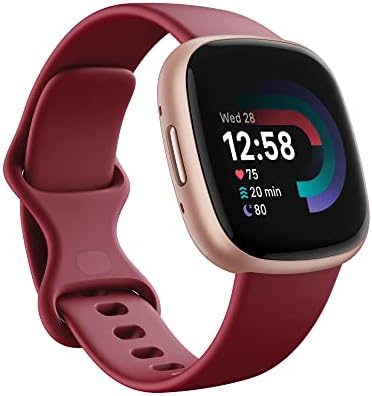
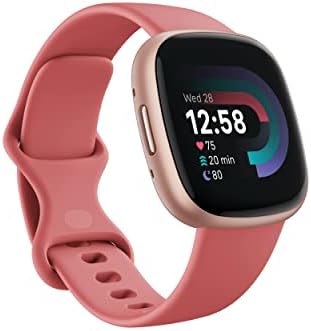
The Fitbit Versa 4 and the Garmin Vivoactive 5 sit at the same price-adjacent tier of the fitness smartwatch market, yet they are built around two different ideas of what a daily wearable should do. The Versa 4 leans on Fitbit’s wellness ecosystem, with a slim aluminum case and a software suite built around readiness scoring, sleep staging, and guided breathing. The Vivoactive 5 answers with a brighter AMOLED panel, a longer rated battery window, and Garmin’s broader training toolkit. Choosing between them is not a question of which brand is better; it is a question of which set of trade-offs fits the way you actually move, sleep, and charge your devices.
This guide is written to be kept. It walks through the decision dimensions that matter at the point of purchase, not the spec sheet trivia that looks impressive in a press release. If you are deciding between these two watches, the table below is the fastest way to see where each one gives ground.
| Decision Dimension | Fitbit Versa 4 | Garmin Vivoactive 5 |
|---|---|---|
| Display type | AMOLED touchscreen | AMOLED touchscreen |
| Rated battery, smartwatch mode | Up to 6 days | Up to 11 days (5 days always-on) |
| Battery saver mode | Limited | Up to 21 days |
| GPS battery window | Up to 6 hours continuous | Up to 21 hours GNSS mode |
| Built-in GPS | Yes, connected GPS plus onboard | Yes, multi-band capable GNSS |
| Case material | Aluminum | Polymer with fiber-reinforced bezel |
| Sleep staging depth | Sleep Score, stages, Smart Wake | Sleep score, stages, nap detection |
| Readiness / recovery metric | Daily Readiness Score | Body Battery energy monitoring |
| Exercise modes | 40+ modes | 30+ built-in plus custom profiles |
| On-wrist coaching | Guided breathing, workout content | Garmin Coach adaptive plans |
| Water resistance rating | 5 ATM | 5 ATM |
| Smartphone call handling | Bluetooth calls on wrist | Call alerts, no on-wrist audio |
| Contactless payments | Fitbit Pay / Google Wallet | Garmin Pay |
| Subscription dependency | Premium tier unlocks deeper insights | Core metrics free, no paywall |
| Best suited to | Wellness-first daily wearers | Multi-day athletes and hikers |
| Charging cadence reality | Twice weekly for most users | Once weekly or longer |
The table points to one dominant split: battery architecture. Garmin rates the Vivoactive 5 at up to 11 days in smartwatch mode and up to 21 hours in GPS-only GNSS mode, with a battery saver mode stretching to 21 days. Fitbit’s Versa 4 sits closer to a six-day smartwatch window and a much shorter continuous GPS session. For anyone who hikes, runs long distances, or simply resents a nightly charging ritual, that gap decides the purchase before any other feature is considered. For everyone else, the decision shifts to software philosophy and how much of your health data you want behind a subscription.
Battery Life and Charging Habits Decide More Than Any Feature
Battery endurance is the least glamorous specification and the one that shapes daily behavior most. A watch rated at six days in smartwatch mode means a predictable mid-week top-up, especially once always-on display, SpO2 tracking, and frequent GPS sessions are layered on. The Versa 4 handles that cadence well for a light user, but heavy tracking days compress the window quickly.
The Vivoactive 5 changes the rhythm of ownership. Garmin’s published figures place it at up to 11 days in smartwatch mode, dropping to roughly 5 days with the display set to always-on, and extending to 21 days in battery saver. In GPS-only GNSS mode, the rated window reaches 21 hours, which covers a full-day hike or a marathon with room to spare. That is not a marginal improvement; it is a different category of device for anyone whose training extends beyond an hour.
Charging hardware matters here too. Both watches use a proprietary charging cable, so neither offers the convenience of a universal standard. The practical difference is how often that cable leaves the drawer. A weekly charge is easy to fold into a routine; a twice-weekly charge is a recurring interruption that many users eventually resent.
Health Tracking Philosophy: Readiness Score Versus Body Battery
Fitbit built the Versa 4 around a wellness narrative. The Daily Readiness Score combines activity, heart rate variability, and recent sleep to suggest whether you should push harder or recover. Sleep tracking is detailed, with stages, a nightly Sleep Score, and a Smart Wake alarm that times its vibration to a lighter sleep phase. Guided breathing sessions and mindfulness content round out the package. The trade-off is that the deepest insights sit behind the Fitbit Premium subscription, which is a recurring cost layered on top of the hardware price.
Garmin approaches recovery differently with Body Battery, an energy metric that rises with rest and falls with stress and exertion. It is available without a subscription, which matters for buyers who dislike paying monthly for data their watch already collected. Garmin also includes nap detection and sleep scoring on the Vivoactive 5, so the wellness feature set is not thin; it is simply structured around ownership rather than a service tier.
The decision criterion is straightforward. If you want a coach-like voice telling you when to ease off, and you are comfortable with a subscription, the Fitbit ecosystem delivers that experience cleanly. If you want the same raw signals without a paywall and prefer to interpret them yourself, Garmin’s approach is more economical over a multi-year ownership period.
Training Features and GPS Accuracy for Real Workouts
Both watches cover the basics: continuous heart rate, built-in GPS, and a broad set of exercise profiles. The Versa 4 lists more than 40 exercise modes, covering everything from running and cycling to swimming and martial arts. It also supports on-wrist Bluetooth calls, a feature the Vivoactive 5 does not match, since Garmin limits that model to call alerts rather than audio.
Garmin’s advantage sits in structured training. Garmin Coach provides adaptive plans that adjust based on completed sessions and measured performance, and the Vivoactive 5 supports custom workout profiles that can be built around intervals, targets, and recovery windows. For runners and cyclists who follow a plan rather than improvise, that structure is the reason to choose Garmin. The 21-hour GNSS rating also means the watch outlasts the workout, which is not always true of shorter-rated competitors.
For buyers who want a concrete reference point, the Garmin v铆voactive 5 Health and Fitness Ivory GPS configuration pairs the AMOLED display with the full training toolkit in a lighter colorway that reads well against casual clothing.
Design, Comfort, and Daily Wearability
The Versa 4 uses an aluminum case that gives it a slightly more premium feel in hand, and its squared-off silhouette has become recognizable as the Fitbit design language. It is light enough to sleep in comfortably, which matters because overnight wear is how sleep staging data gets collected in the first place.
The Vivoactive 5 uses a polymer case with a fiber-reinforced bezel. It is not trying to look like a dress watch, and it does not need to. The AMOLED panel is bright and legible in direct sunlight, and the round case shape appeals to buyers who find square smartwatches visually intrusive. Both watches carry a 5 ATM water resistance rating, which covers swimming and showering but not high-impact water sports or diving.
Strap compatibility is a practical consideration that rarely appears in marketing material. Both watches accept quick-release bands in common widths, so swapping between a silicone strap for training and a woven or leather band for daily wear is straightforward. Buyers who like to change the look of a watch without buying a second device will find either model accommodating.
Smart Features, Payments, and Ecosystem Fit
Neither watch runs a full app store in the way a Wear OS device does, so both are best understood as fitness-first wearables with smart notifications rather than general-purpose smartwatches. The Versa 4 handles Bluetooth calls on the wrist, displays notifications, and supports contactless payments through Fitbit Pay and Google Wallet. The Vivoactive 5 supports Garmin Pay and notification mirroring but stops short of on-wrist call audio.
The ecosystem question is worth weighing carefully. Fitbit’s platform is built around the mobile app and the Premium subscription, with a strong emphasis on presenting health data in an accessible, guided format. Garmin Connect is denser, more data-heavy, and free to use in full. Buyers who enjoy analyzing trends and exporting data tend to prefer Garmin Connect; buyers who want a clear daily summary and a nudge in the right direction tend to prefer the Fitbit app.
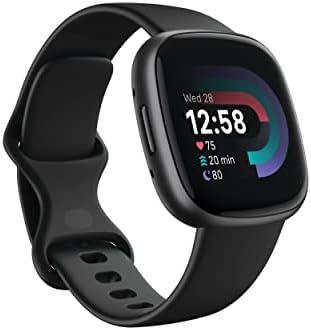
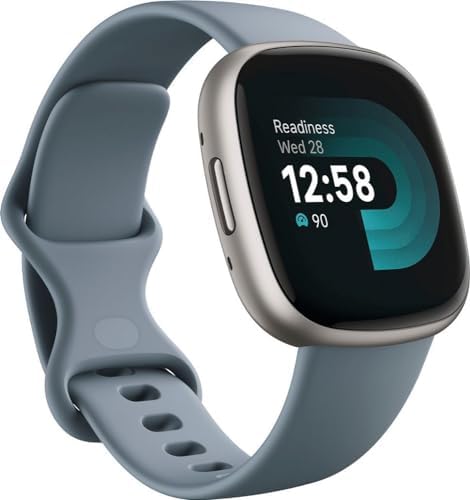
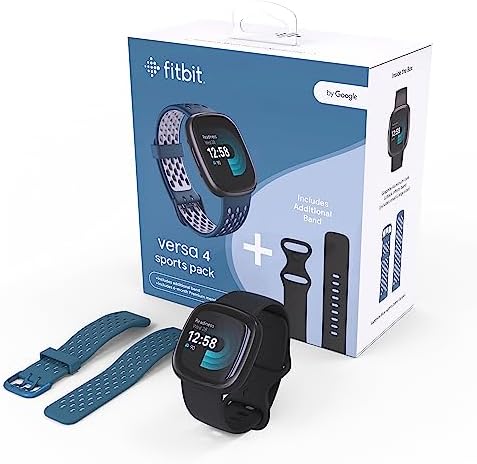
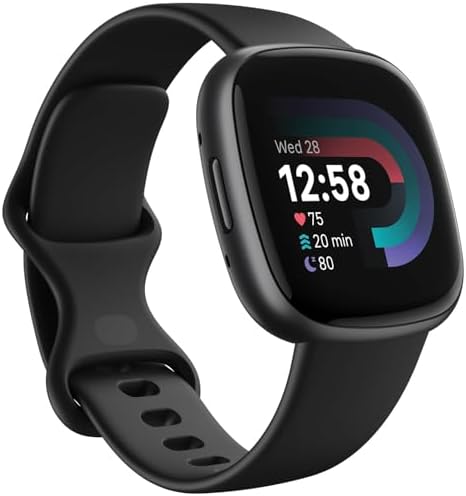
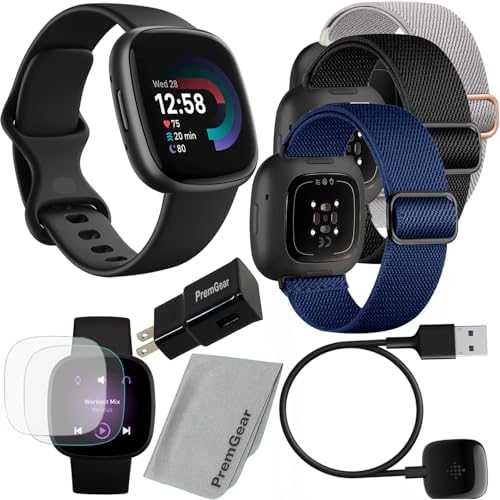
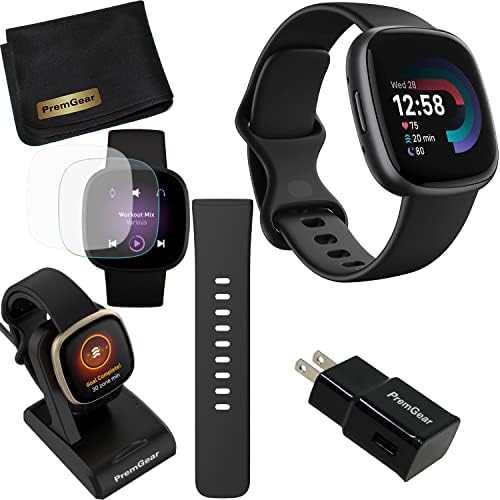
For a closer look at the wellness-focused option, the Fitbit Versa 4 Fitness with Daily Black Graphite GPS package includes both small and large bands in the box, which removes the guesswork of sizing at purchase.
Who Should Buy Which Watch
The purchase decision comes down to three criteria: how long you want between charges, whether you will pay a subscription for health insights, and whether you follow structured training plans.
Choose the Fitbit Versa 4 if your priority is sleep quality, daily readiness guidance, and a wellness-first experience with on-wrist call handling. It suits buyers who wear a watch primarily to understand their body’s recovery patterns and who are comfortable with a subscription for the deepest features. It is also the better pick for anyone who values a squared, jewelry-like case design.
Choose the Garmin Vivoactive 5 if battery endurance, multi-day GPS tracking, and subscription-free health metrics matter more than on-wrist calling. It suits runners, hikers, and cyclists who want adaptive coaching and a device that survives a weekend trip without a charger. The AMOLED display and round case also appeal to buyers who want a fitness watch that looks appropriate outside the gym.
Buyers who remain undecided should weigh the subscription cost against the battery gap. Over three years of ownership, a premium subscription can approach the price of the hardware itself, while a watch that needs charging twice a week will be charged roughly 300 times in the same period. Framed that way, the decision usually resolves itself quickly.
Both watches represent mature, well-supported platforms with years of firmware updates behind them and active communities around them. Neither is a compromise purchase. The right choice is simply the one whose trade-offs match the way you already live, train, and recharge.