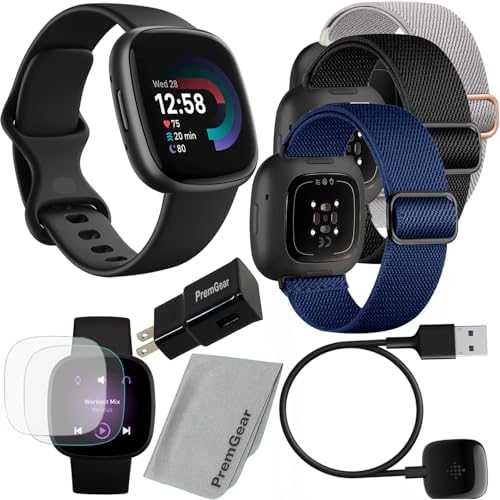
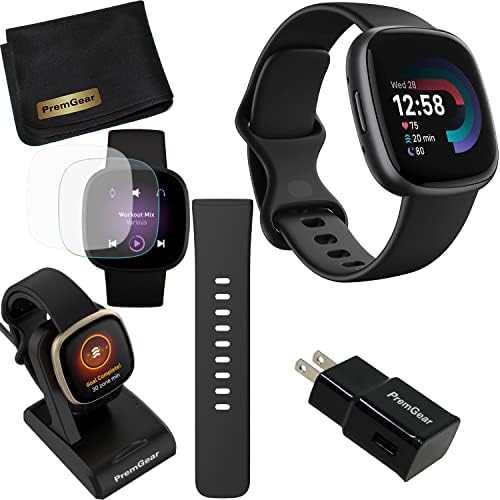
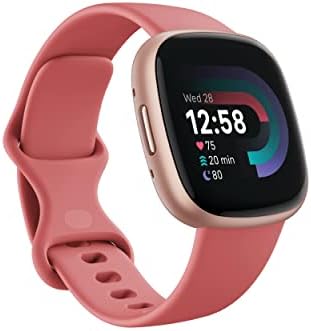
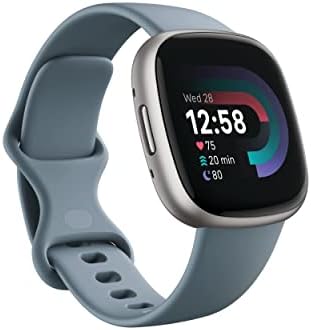
Choosing between the Fitbit Versa 3 and the newer Versa 4 can be a challenging decision for fitness enthusiasts. Both models offer robust health tracking, built-in GPS, and a suite of smart features that integrate seamlessly with daily life. This detailed comparison breaks down the key differences and improvements to help determine which smartwatch best aligns with personal fitness and lifestyle needs. The information provided serves as a reliable guide for making an informed purchase decision worth saving and sharing.
| Feature & Selling Point | Fitbit Versa 3 | Fitbit Versa 4 |
|---|---|---|
| Display Size | 1.58-inch AMOLED | 1.58-inch AMOLED |
| Built-in GPS | Yes | Yes |
| Exercise Modes | 20+ exercise modes | 40+ exercise modes |
| Physical Button | Single capacitive button | Physical side button |
| Active Zone Minutes | Yes | Yes |
| Sleep Tracking | Sleep Score & Stages | Sleep Score & Stages |
| Stress Management | EDA sensor & Management score | EDA sensor & stress score |
| Voice Assistant | Amazon Alexa & Google Assistant | Amazon Alexa & Google Assistant |
| On-Wrist Phone Calls | Yes | Yes |
| Battery Life | 6+ days | 6+ days |
| Water Resistance | 50 meters | 50 meters |
| Google Maps & Wallet | Not available | Yes |
| Key Differentiator | Price-to-value balance | Upgraded workout interface & Google integration |
The table reveals that while both smartwatches share a core DNA of fitness tracking excellence, the Versa 4 introduces meaningful enhancements in workout variety and Google service integration. The addition of a physical button streamlines navigation, and the expanded exercise modes cater to more specialized fitness routines.
Physical Design and Control Evolution
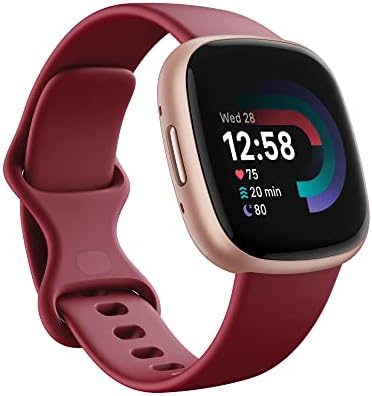
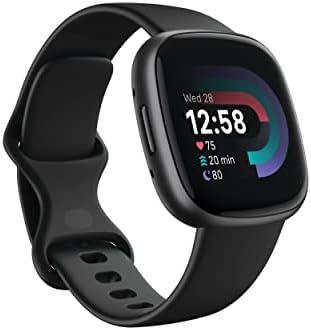
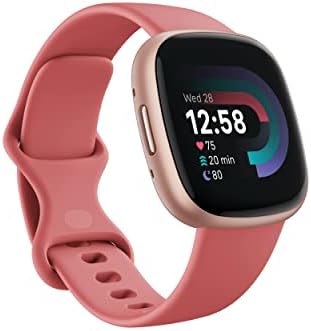
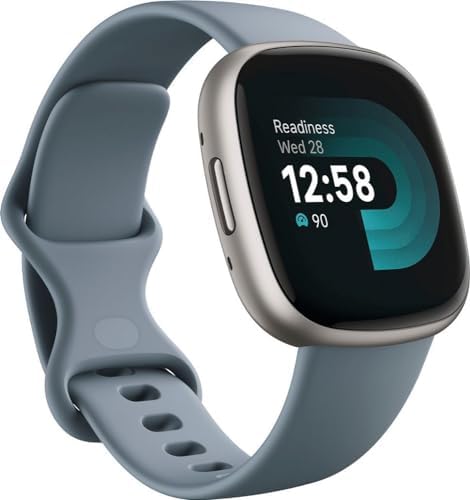
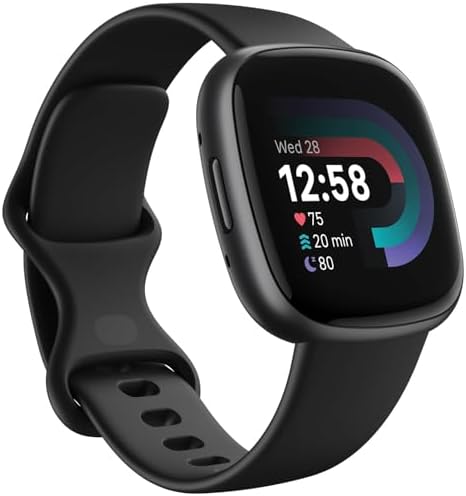
The design language of the Versa series remains consistent, featuring a sleek, square-faced AMOLED display housed in a lightweight aluminum case. However, the Versa 4 introduces a significant ergonomic upgrade: a physical side button replaces the capacitive button found on the Versa 3. This change provides tactile feedback, making it easier to start workouts or return to the home screen during sweaty exercise sessions. The Versa 3 relied on a touch-sensitive indentation, which sometimes required an extra tap. For those used to traditional smartwatch interfaces, the Versa 4’s physical control offers a more intuitive and reliable user experience. The overall dimensions and weight remain similar, ensuring the same comfortable fit for all-day wear.
Fitness Tracking Capabilities and Exercise Modes
Both the Versa 3 and Versa 4 excel at tracking daily activity, with built-in GPS for accurate route mapping, Active Zone Minutes to measure intensity, and continuous heart rate monitoring. The fundamental health sensors are identical, covering SpO2, skin temperature, and stress management via an EDA sensor. The Versa 4 distinguishes itself by doubling the exercise modes to over 40, adding options for activities like paddleboarding, skiing, and HIIT. This expansion means users with specific training regimens can access automatic workout detection and real-time stats tailored to their activity. The Versa 3 covers over 20 popular modes, which remains sufficient for general users, but the Versa 4 caters more precisely to diverse athletic pursuits.
Advanced Health Monitoring Sensors
Under the hood, both watches employ the same PurePulse 2.0 heart rate technology and SpO2 sensor. They track sleep stages brilliantly, providing Sleep Scores and insightful breakdowns of light, deep, and REM sleep. The stress management features are nearly identical, offering guided breathing sessions and daily stress scores based on heart rate variability. The Versa 4 does include a slightly refined algorithm for stress detection but the core experience remains largely unchanged. For those seeking a different form factor, a band-style tracker like the Fitbit Charge 5 offers similar health sensors, ideal for minimalist users. Additionally, exploring Fitbit Sense 2 features reveals advanced electrodermal activity tools for stress management.
Smart Features and Google Integration
Connectivity and smart features mark the clearest divergence between generations. The Versa 3 supports Amazon Alexa and Google Assistant, along with on-wrist calls and text replies. The Fitbit Versa 4 builds on this by adding Google Maps and Google Wallet integration. This means users can leave their phones behind for a run and still navigate or make contactless payments directly from the watch. The ability to store maps offline and get turn-by-turn directions on the wrist elevates the Versa 4 to a higher level of standalone capability. For fitness enthusiasts who value independence from their phones, the Versa 4’s deeper Google integration is a compelling advantage.
Battery Life and Everyday Usability
Both models maintain the excellent battery endurance that has become a hallmark of Fitbit smartwatches. Users can expect over six days of use on a single charge, even with always-on display features enabled. Charging times are also comparable, requiring roughly 12 minutes to provide a full day’s charge. This longevity reduces the anxiety of daily charging often associated with full smartwatches. The user interface on both devices is fluid and responsive, though the Versa 4 benefits from slightly smoother animations and a more refined workout dashboard that shows real-time stats like pace and distance more prominently during exercise sessions.
Selection Strategy for Different User Profiles
Choosing between these two excellent smartwatches depends largely on individual priorities. The Versa 3 remains a phenomenal choice for those seeking core fitness tracking, smart notifications, and long battery life at a more accessible price point. Its comprehensive health features rival much newer devices. The Versa 4 justifies its position as the premium option for users who want the latest workout variety, the convenience of NFC payments via Google Wallet, and enhanced navigation tools. For sleep optimization and a slimmer design, the Fitbit Inspire 3 for sleep tracking provides a focused alternative. Both watches offer a cohesive Fitbit experience backed by the same robust app ecosystem and community challenges, ensuring users remain motivated regardless of which model they select.
The natural progression of the Versa series illustrates how Fitbit continues to refine the fitness smartwatch formula. The Versa 4 builds upon the successful foundation of its predecessor by addressing user feedback on controls and expanding its smart feature set without compromising battery life or core health accuracy. Whether one opts for the proven reliability of the Versa 3 or the refined versatility of the Versa 4, both devices represent a mature and powerful platform for anyone serious about understanding and improving their health and fitness journey.