Choosing between the Fitbit Sense 2 and the Fitbit Versa 4 can be challenging, as both represent the pinnacle of Google’s wearable health technology. This detailed comparison serves as a professional buying guide for anyone looking to invest in a premium fitness smartwatch. By examining the core specifications, unique health features, and design philosophies of these two devices, readers will gain the clarity needed to make a confident purchase decision. This guide breaks down each aspect of Fitbit’s top-tier wearable lineup to ensure no detail is overlooked. Whether stress management or battery life is the priority, this analysis provides the expert perspective required to choose wisely.
| Feature & Selling Point | Fitbit Sense 2 | Fitbit Versa 4 |
|---|---|---|
| Primary Focus | Advanced Stress & Health Management | Fitness & Lifestyle Versatility |
| Stress Management | Continuous cEDA Sensor + Body Response | Basic Stress Management Score |
| Skin Temperature Sensor | Yes | Yes |
| GPS | Built-in GPS + GLONASS | Built-in GPS + GLONASS |
| Display | 1.58″ AMOLED | 1.58″ AMOLED |
| Microphone & Speaker | Yes | Yes |
| Voice Assistant | Google Assistant | Google Assistant |
| ECG App | Yes | No |
| Battery Life | 6+ Days | 6+ Days |
| Water Resistance | 50 Meters | 50 Meters |
| 3rd Party Apps | Limited | Limited |
| Sleep Tracking | Advanced with Sleep Profile | Advanced with Sleep Profile |
| Best For | Managing Stress & Heart Health | General Fitness & Everyday Smartwatch Use |
The table above highlights that while both Fitbit Sense 2 and Versa 4 share a core platform of GPS, AMOLED display, and long battery life, the most critical differentiator lies in the Sense 2’s advanced stress management suite and ECG capability. For users whose primary concern is mental well-being and heart health tracking, the Sense 2 offers a distinct edge. Alternatively, those seeking a robust, stylish fitness smartwatch with all essential features might find the Versa 4 to be an ideal, more streamlined choice.
The Core Distinction: Stress Management vs. Fitness Versatility
The fundamental difference between these two smartwatches is their design philosophy. The Fitbit Sense 2 was engineered as a holistic health tool, placing mental and physiological stress at the forefront. It introduces the Body Response sensor, which uses continuous electrodermal activity (cEDA) to detect subtle changes in sweat levels, indicating stress spikes. When the watch senses such changes, it provides real-time prompts for guided breathing or mindful moments. This feature transforms the device from a passive tracker into an active wellness coach, offering a unique value for high-stress individuals.
On the other hand, the Fitbit Versa 4 excels as a comprehensive fitness companion. While it includes a basic Stress Management Score derived from heart rate variability (HRV) and sleep patterns, it lacks the dedicated cEDA sensor. The Versa 4 focuses on delivering a smooth, intuitive experience for a wide range of workouts, from running and swimming to strength training with real-time on-wrist coaching. Its purpose is to motivate users toward daily movement goals without the added layer of deep physiological stress analysis. The choice here is fundamentally about whether the priority is tracking internal health signals or maximizing external fitness performance.
Health Monitoring Capabilities: ECG and Beyond
Fitbit’s integration of clinically relevant sensors further distinguishes these models. The Sense 2 features an Electrocardiogram (ECG) app on the wrist, allowing users to screen for signs of Atrial Fibrillation (AFib). This capability, combined with the regular Passive Heart Rate Monitoring, provides a more complete picture of cardiovascular wellness. For those with a family history of heart conditions or a personal interest in proactive heart health, this single feature can be the deciding factor. The Versa 4, while still offering very reliable 24/7 heart rate tracking and notification for high/low heart rate, does not include the FDA-cleared ECG functionality.
Both watches share a Skin Temperature Sensor and advanced Sleep Tracking with Sleep Stages and Sleep Score. They also include the Health Metrics dashboard, which tracks trends in breathing rate, HRV, and oxygen saturation (SpO2) during sleep. This shared baseline ensures that both products deliver a high standard of overnight health monitoring. However, the combination of the ECG app and continuous stress tracking makes the Sense 2 a more medically oriented device, aligning it with users who treat their wearable as a serious preventative health instrument.
Design, Display, and User Experience
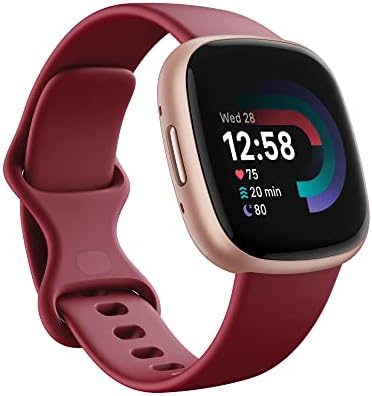
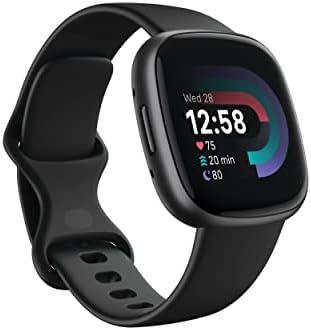
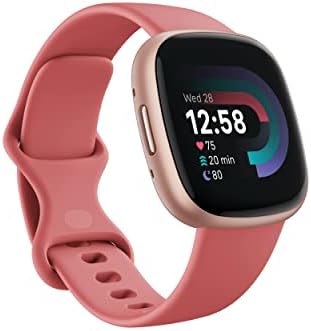
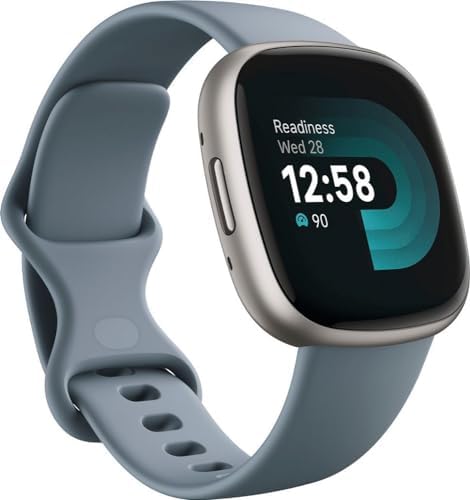
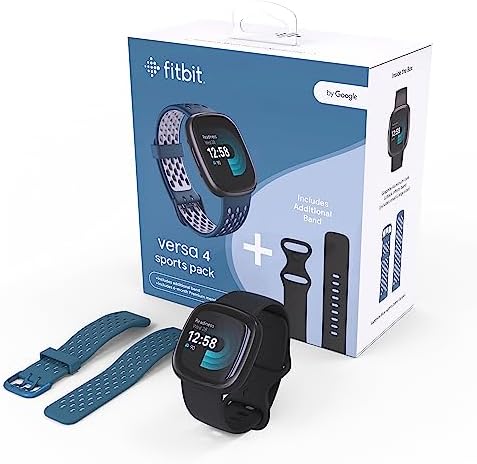
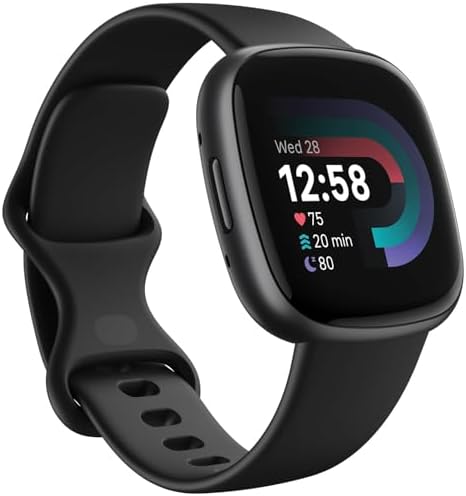
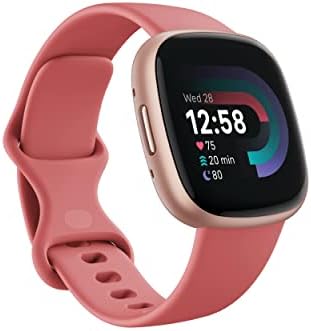
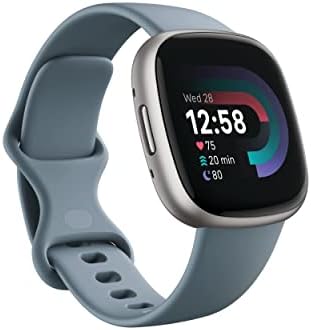
From a purely design standpoint, the two watches are nearly identical. Both sport a sleek, lightweight square case with a 1.58-inch vibrant AMOLED color touchscreen. The bezels are slim, and the displays offer excellent outdoor visibility. Fitbit uses a familiar interface with a side button and haptic feedback for navigating through tiles. This consistency means that a Fitbit smartwatch user will feel right at home on either model. The primary visual difference comes down to color options and band choices. The Sense 2 typically ships with a focus on premium finishes, while the Versa 4 offers a wider, more playful palette of fabric and silicone bands to suit an active lifestyle.
In terms of daily functionality, the experience is largely identical. Both feature built-in Google Maps integration for turn-by-turn directions on the wrist, Google Wallet for contactless payments, and voice responses via Google Assistant. Unfortunately, both models share the same limitation regarding third-party app support, offering fewer options than previous generations. This means users must rely more heavily on the pre-loaded Fitbit apps for weather, timer, and alarms. When considering the user interface, the decision is less about daily ease of use and more about which suite of health sensors provides greater personal value.
Battery Life and Connectivity
Fitbit has maintained excellent battery life across its latest smartwatch range. Both the Sense 2 and Versa 4 offer a claimed battery life of over 6 days on a single charge with typical use. Users can expect approximately 5 days with heavy GPS usage or always-on display enabled. This endurance is a major selling point for those switching from competitors like the Apple Watch, which requires daily charging. The peace of mind provided by a week-long charge cycle means users can wear the device through multiple nights of uninterrupted sleep tracking without anxiety about finding a charger.
Connectivity options are also consistent between the two models. Both feature Bluetooth 5.0, Wi-Fi, and NFC for payments. The built-in GPS operates independently from a phone, allowing for accurate tracking of outdoor runs and cycle rides without carrying a smartphone. For music lovers, both models offer downloadable control for streaming services like Spotify and Deezer and allow storage of offline playlists. These shared connectivity features level the playing field, reinforcing that the differentiator truly lies in the specialized health sensors of the Sense 2 versus the streamlined fitness focus of the Versa 4.
The exploration of the Fitbit lineup reveals a clear market segmentation. The Fitbit Versa 3 and the Fitbit Sense established this foundational split between lifestyle tracking and advanced health management. The Sense 2 and Versa 4 represent a refined, more purpose-driven iteration of that philosophy. For those determined to understand their body’s response to daily stressors and proactively manage their heart health, the Sense 2 provides unmatched analytical depth. Conversely, anyone seeking a highly capable daily fitness motivator with a clean, intuitive interface will find the Versa 4 to be a perfect, value-packed companion for reaching activity goals and living a healthier, more active life.