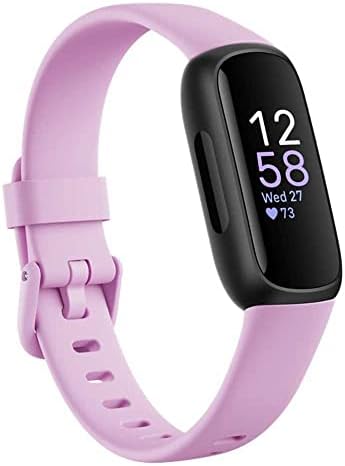
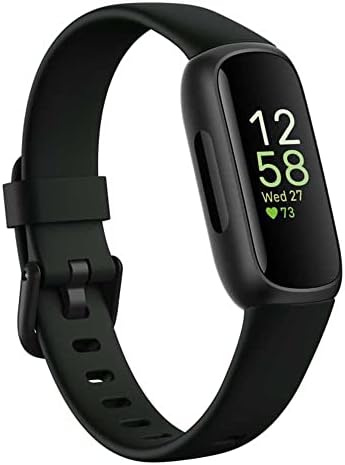
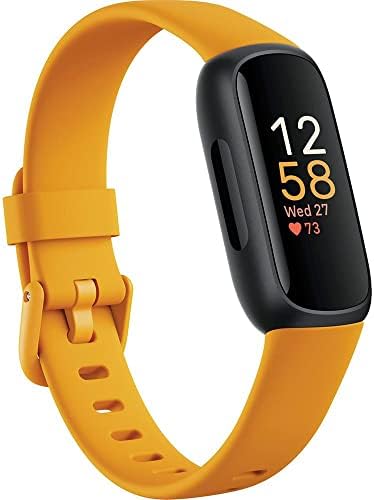
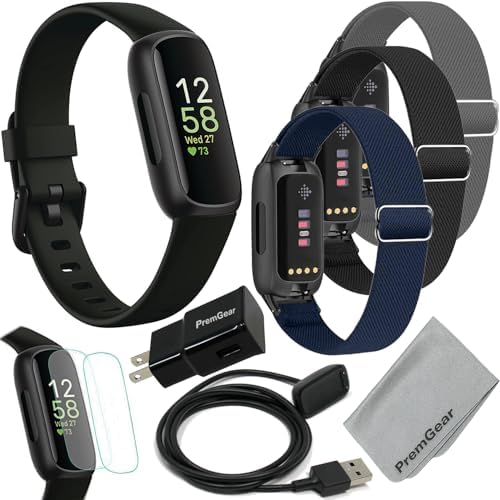
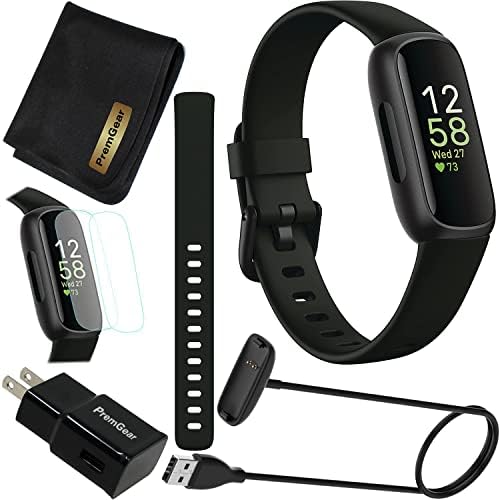
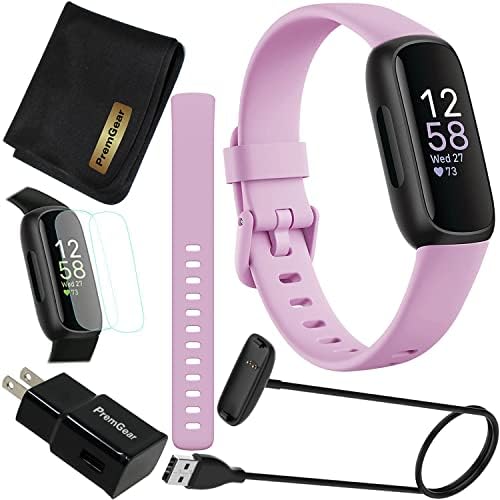
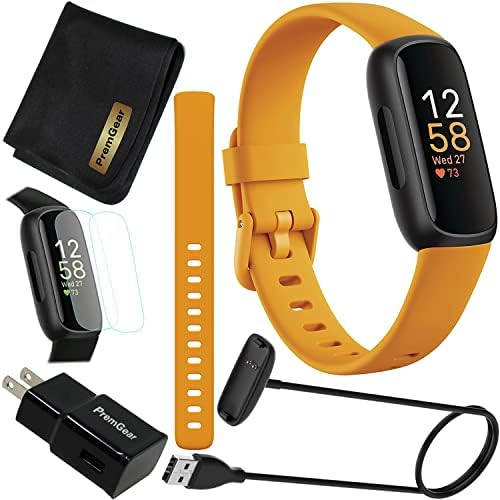
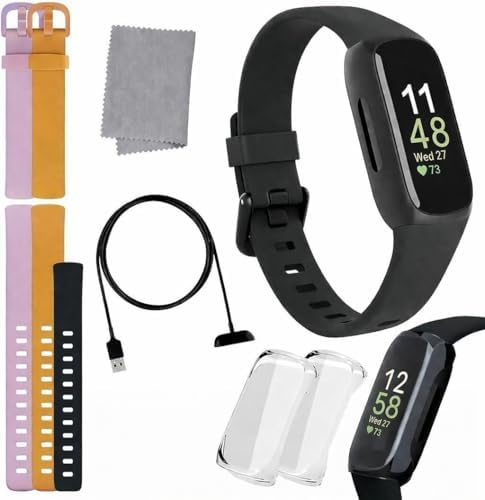
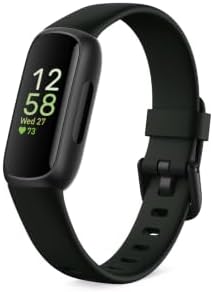
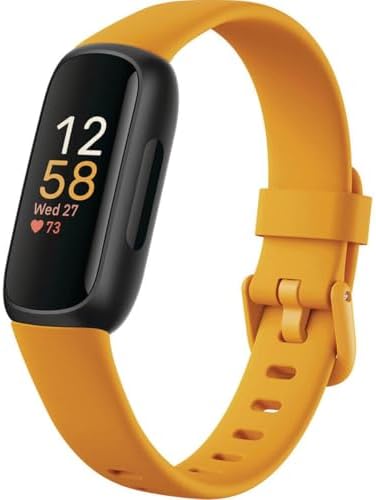
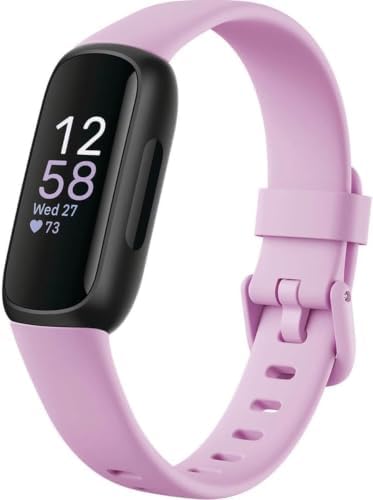
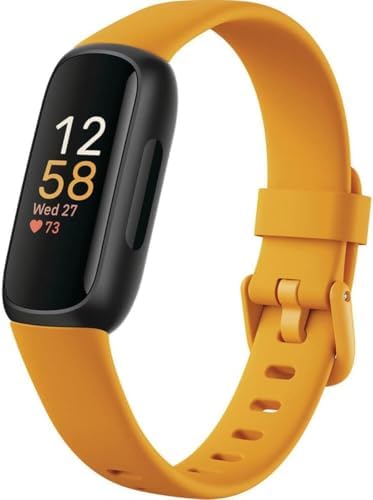
The Fitbit Inspire 3 has become a reference point for budget-friendly wellness wearables, and its sleep tracking capabilities are the primary reason many users choose this slim band over bulkier alternatives. Rather than simply counting hours in bed, this tracker interprets rest through multiple data layers, from time spent in each sleep stage to overnight heart rate variations. For anyone building a consistent morning routine, the nightly summary generated by the Inspire 3 provides a clear starting point for adjusting habits. Exploring the broader Fitbit wearable family reveals how this entry-level model shares the same analytical foundation found across the wider ecosystem.
Sleep is not a passive activity; it is an active biological process that influences energy, focus, and recovery. The Inspire 3 approaches rest with a system that combines motion detection and cardiac data to estimate sleep architecture. By wearing the device to bed, users receive a breakdown that goes beyond a single score, offering a snapshot of overnight behavior that can be reviewed each morning. Those seeking a detailed comparison of tracker capabilities can explore the full Inspire 3 lineup to see how this model stacks up against alternatives in the same price range.
How the Inspire 3 Tracks Sleep Stages
The wearable integrates a continuous heart rate monitor with an accelerometer to detect sleep stages throughout the night. Based on Fitbit’s official sleep tracking documentation, the device uses movement and heart rate patterns to predict when a user falls asleep, then categorizes rest into Light, Deep, and REM stages. This method allows the tracker to distinguish between brief wakeful moments and actual sleep disruptions, giving a more truthful picture than a simple movement log.
During the night, the Inspire 3 records the duration spent in each stage and compiles this information into an easy-to-read chart. Deep sleep, for instance, is associated with physical restoration, while REM sleep supports cognitive functions. The analysis offered by the device reflects these physiological distinctions, drawing on standard sleep science principles rather than arbitrary guesses. The result is a personalized overview that can be tracked across weeks and months, revealing patterns that might otherwise go unnoticed.
For users comparing trackers, the sleep staging features on this model align closely with those found on more expensive devices. To understand how the feature set evolves across the range, reviewing the Charge 5 for advanced metrics highlights the progression of sensor technology and analytical depth within the same ecosystem.
Daily Readiness: Turning Rest Data into Action
A standout aspect of the Inspire 3 experience is the Daily Readiness Score, which translates sleep metrics into a practical number that guides daily activity decisions. This score considers recent sleep quality, heart rate variability, and resting heart rate to determine whether the body is prepared for a challenging workout or would benefit from rest. It transforms subjective feelings of tiredness into an objective, data-driven reference point.
When sleep data indicates low recovery, the score suggests lighter activities such as walking or stretching. Conversely, consistent high-quality sleep allows the score to encourage more intense exercise sessions. This dynamic approach makes the wearable useful for athletes and casual users alike, bridging the gap between nighttime rest and daytime performance. The integration of sleep and activity data on this device minimizes the guesswork involved in planning weekly training.
For those who want to understand readiness in more depth, comparing this model with other trackers in the same family is worthwhile. Reviewing the Fitbit Sense 2 series shows how additional sensors, such as electrodermal activity scanning, expand the analytical capabilities beyond the core sleep metrics.
Personalized Sleep Insights and Trends
The mobile companion application presents collected sleep data through a series of visualizations designed for quick comprehension. Users receive a sleep score each morning, evaluated against personal baseline ranges, alongside a breakdown of sleep stages and a detailed timeline. This information helps identify what influences rest quality, such as late meals, stress, or inconsistent bedtimes.
Over time, the app compiles statistical trends that reveal broader patterns, enabling users to connect lifestyle choices with their sleep performance. A 30-day average, for example, might show how weekday stress impacts deep sleep duration, prompting adjustments to evening routines. This continuous data collection transforms the Inspire 3 from a simple sensor into a long-term wellness journal.
The device also offers feedback mechanisms based on logged sleep data, including guidance on sleep schedules and reminders to maintain consistent timing. These features aim to improve rest quality progressively without demanding significant effort from the user, making the entire experience approachable.
Understanding the Sleep Score Components
The Sleep Score is a composite metric that evaluates several factors, including sleep duration, quality, and restoration. Each component is weighted independently, providing a holistic assessment rather than a single simplistic number.
The duration element checks total hours slept against recommended targets. The quality component considers how much of that time was spent in deep and REM stages. Restoration takes resting heart rate and movement interruptions into account, offering insight into how peacefully the night passed. When these elements are combined, the resulting score helps users gauge whether their rest fulfilled physiological needs.
As sleep patterns evolve, the score adjusts, reflecting both short-term changes and long-term improvement. This flexibility makes the metric useful for measuring the effectiveness of new habits over consecutive nights.
Sleep History Tracking Over Time
The Inspire 3 stores granular sleep data in the companion app, allowing users to trace their sleep journey over months. Historical graphs display stage distribution trends, duration averages, and consistency markers, building a comprehensive narrative of rest quality. Reviewing this history encourages accountability and makes it easier to identify recurring triggers of poor sleep.
Furthermore, this archived data integrates with other wellness metrics, such as activity levels and heart rate trends, to provide a broader health context. Observing a busy week with reduced sleep alongside lower daily step counts, for instance, illustrates the connection between physical rest and daily energetics. This complete perspective distinguishes the experience from simple nightly logs.
Design and Wearability for Nighttime Use
Comfort is a decisive factor when choosing a sleep tracker, since consistent overnight wear affects the accuracy of collected data. The Inspire 3 addresses this with a lightweight build, a slim profile, and a soft silicone band that fits discreetly under a wrist. The absence of bulky components ensures the device remains unnoticeable during sleep, motivating users to keep it on night after night.
The AMOLED display is configured to remain dim during nighttime hours, preventing light disturbances that could disrupt rest. A dedicated sleep mode silences notifications and darkens the screen, prioritizing sleep protection. This subtle design approach supports the long-term data collection required for meaningful analysis.
Water resistance up to 50 meters adds practical flexibility, allowing users to keep the tracker on through washing hands, showering, or light swimming without concern. The battery, providing up to 10 days of use per charge, reduces interruptions, enabling continuous sleep monitoring without frequent maintenance. For users interested in how this model fits into the broader ecosystem, evaluating the Fitbit Luxe option reveals further aesthetic variations and feature trade-offs.
Leveraging the Fitbit Ecosystem for Better Rest
The Inspire 3 operates as part of the larger Fitbit platform, where sleep data contributes to a holistic profile that includes activity, nutrition, and stress signals. By synchronizing with Google Health services, users can access additional analytical tools and guidance designed around their historical patterns. This integration deepens the practical benefits of sleep tracking, connecting nightly rest with daily choices.
Guided programs available on the platform offer structured advice on improving sleep hygiene. From mindfulness exercises to personalized bedtime schedules, these resources give users actionable measures based on personal metrics. The ecosystem ultimately elevates the Inspire 3 from a passive recorder to an interactive partner in wellness management, encouraging gradual and sustained improvement in sleep quality.