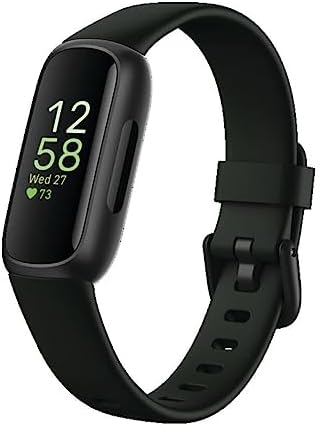
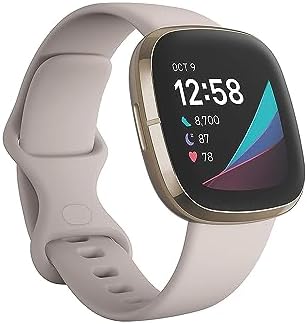
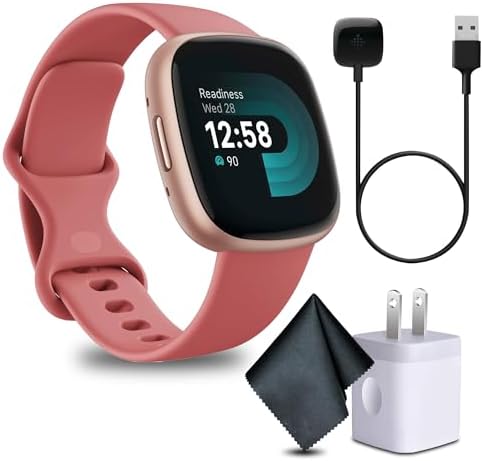
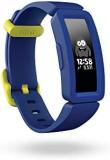
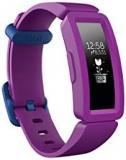
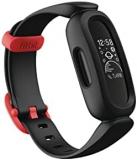
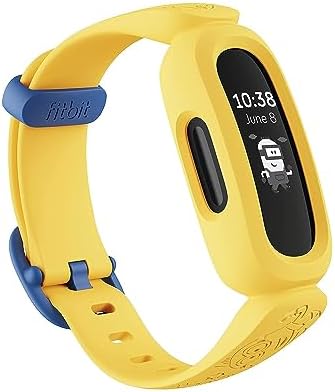
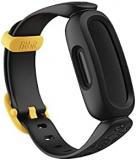
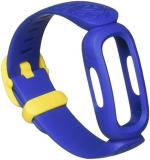
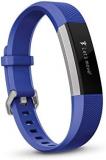
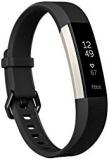
The Fitbit Inspire 2 and Inspire 3 represent two generations of one of the most popular entry-level fitness trackers on the market. Both devices share a similar slim, unobtrusive silhouette designed for all-day wear, yet they serve different buyer profiles depending on budget priorities and feature preferences. This detailed side-by-side comparison examines the screen upgrades, sensor changes, battery expectations, and software support that separate these two models, providing a clear reference for anyone seeking professional purchase guidance.
| Feature & Selling Point | Fitbit Inspire 2 | Fitbit Inspire 3 |
|---|---|---|
| Display Type | Monochrome OLED (greyscale) | Colour AMOLED touchscreen |
| Display Brightness & Visibility | Basic outdoor visibility | High brightness with auto dimming |
| Skin Temperature Sensing | Not available | Skin temperature tracking |
| SpO2 / Blood Oxygen | Available (with limitations) | Enhanced tracking metrics |
| Activity Tracking Modes | Core tracking (steps, sleep, cardio) | Autotracking of more exercise modes |
| Active Zone Minutes | Available | Available |
| Sleep Tracking Quality | Standard sleep stages | Advanced sleep insights with Daily Readiness |
| Daily Readiness Score | Not available | Included with Fitbit Premium |
| Battery Life (Realistic) | Up to 10 days (regular use) | Up to 10 days (regular use) |
| Water Resistance | 5 ATM (swimproof to 50m) | 5 ATM (swimproof to 50m) |
| Positioning / GPS | Connected (phone-tethered) | Connected (phone-tethered) |
| Key Selling Point | Budget appeal with free Premium trial | Colour display with customisable watch faces |
| Display Area | Smaller panel for on-screen data | 40\% larger touchscreen area |
| Finish / Design Options | Classic bands only | New colourways with improved styling |
The table above highlights that the most decisive gap between these two trackers lies in the screen hardware and the sensors supporting wellness metrics. The Inspire 3 adds a colour AMOLED panel and skin temperature sensing, both significant upgrades over the monochrome display and narrower sensor array of the Inspire 2. For budget-focused buyers, however, the Inspire 2 remains a functional and reliable tracker for steps, sleep, and cardio scoring.
Design Philosophy and Visual Evolution
Fitbit positions the Inspire series as the entry point into its ecosystem, but the design language of the two generations tells different stories. The Inspire 2 follows the original Inspire language: a slim, understated capsule with a greyscale OLED that prioritises readability and battery longevity over visual richness. Its aluminium case and replaceable silicone bands focus entirely on lightweight comfort.
The Inspire 3, by contrast, adopts the fuller visual language seen in more premium trackers. The colour AMOLED touchscreen expands the active display area, enabling richer watch faces, better glanceable data, and a more modern aesthetic. According to Fitbit, the Inspire 3 display is approximately 40\% larger than the panel found on the previous model, making interactions noticeably more fluid and content easier to scan at a glance.
Wellness Tracking and Sensor Capabilities
Both trackers share a 5 ATM water resistance rating, meaning they are swimproof to 50 metres, and both support connected GPS through a paired smartphone. That is where the commonalities begin to fade, as the sensor package differs in meaningful ways.
Monitoring Metrics Beyond the Basics
The Inspire 2 tracks steps, distance, calories, Active Zone Minutes, sleep stages, and resting heart rate. It also offers SpO2 estimation for overnight blood oxygen trends, although this data appears in the companion app after sleep rather than on the wrist. For many users, this covers all the fundamentals needed for daily health awareness.
The Inspire 3 builds on this foundation with skin temperature tracking, which measures average temperature deviation overnight to provide insights into changes in health status. It maintains the SpO2 estimation feature and introduces a higher-resolution accelerometer that supports autotracking of more exercise modes. The Daily Readiness Score arrives through the Google Health app with a Fitbit Premium subscription, giving wearers guidance on whether to push hard or recover.
Battery Performance and Charging Realities
Battery expectations for the two devices are virtually identical, with both claiming up to 10 days on a single charge under normal usage. In practice, the Inspire 3 occasionally uses slightly more power due to the brighter colour screen, but software optimisations in the latest firmware versions, including the version 220.31 update, manage this efficiently. The Inspire 2’s firmware version 1.124.84 similarly maintains stable performance.
Charging methods differ, however, and this affects the user experience with each device’s ecosystem. The Inspire 2 uses a proprietary charging cradle that clicks securely onto the underside of the case. The Inspire 3 switched to a more polished clip-style charger with magnetic alignment, simplifying the connection and reducing wear over time. Both take about two hours for a full charge, but Fitbit claims that five minutes of charging can replenish a full day of tracking on either device.
Sleep Tracking Accuracy and Recovery Tools
Sleep tracking is a core pillar of the Inspire franchise, and both generations deliver robust data on sleep stages, sleep duration, and overnight heart rate variability. The difference emerges in how that data is interpreted and delivered.
The Inspire 2 provides a solid baseline, categorising sleep into light, deep, and REM stages while calculating a nightly sleep score. It works well for users who simply want to know whether they achieved restful sleep. The Inspire 3 elevates the experience with integration into the Daily Readiness ecosystem, correlating sleep quality with activity fatigue and recovery status to recommend realistic training loads. Users who rely on having suitable recovery data to optimise performance will find the newer sensor array more useful.
Software Compatibility and Industry Context
Both trackers integrate with the Fitbit mobile application on Android and iOS, and both sync wirelessly over Bluetooth. With the transition of the Fitbit app to Google Health, users receive active support for personalised health insights and contextual coaching.
Device firmware updates remain active for both models, ensuring ongoing bug fixes and incremental features rather than a complete loss of support. Buyers choosing the budget-friendly Inspire 2 continue to receive reliable tracking without forced obsolescence, while those selecting the Inspire 3 gain access to newer sensor metrics that align with contemporary wellness-monitoring trends. Anyone exploring the wider Fitbit brand lineup will find that the Inspire lineup occupies an accessible space below premium bands, offering significant value alongside models across the corporate portfolio and broader catalogue.
For those considering alternatives within a modest budget, the Charge 5 delivers additional built-in GPS, while the luxe model offers stainless-steel finishing and a more fashion-forward front design. Either option in the Inspire family, however, provides a strong foundation with a configuration that matches the user’s goal regarding health monitoring and everyday tracking.