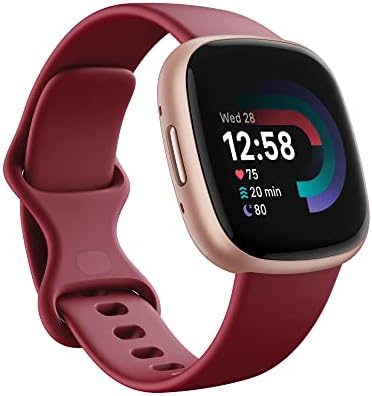
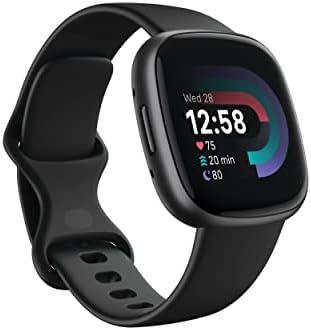
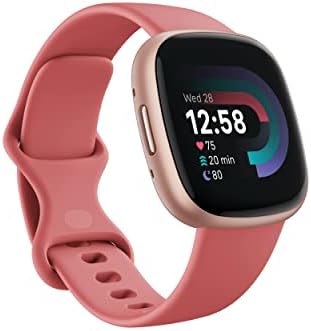
The decision between the Fitbit Versa 4 series and the Garmin Forerunner 165 collection comes down to a single question: do you want a wellness-focused smartwatch that tracks everything, or a running watch that tracks running exceptionally well? Both devices sit in a similar price bracket, yet they are engineered around fundamentally different priorities. This guide is built as a permanent reference for that decision, comparing the specifications that actually change what you get for your money.
| Feature & Selling Point | Fitbit Versa 4 | Garmin Forerunner 165 |
|---|---|---|
| Display Type | AMOLED touchscreen | AMOLED touchscreen |
| Battery Life (Smartwatch Mode) | Up to 6 days | Up to 11 days |
| Battery Life (GPS Mode) | Up to 6 hours | Up to 19 hours |
| Built-in GPS | Yes (standalone) | Yes (multi-band GNSS) |
| Display Size | 1.58 inches | 1.2 inches |
| Water Resistance | 5 ATM (50 meters) | 5 ATM (50 meters) |
| Training Metrics | Basic (Active Zone Minutes) | Advanced (VO2 max, training effect, recovery time) |
| Sleep Tracking | Advanced (Sleep Score, Smart Wake) | Standard (Sleep Score, advanced only with app) |
| Stress & Wellness | EDA sensor, mindfulness, Daily Readiness Score | Basic stress tracking, Body Battery |
| Smart Features | Notifications, Alexa, Google Wallet | Notifications, Garmin Pay, music storage |
| Weight | 37.6 grams | 39 grams |
| Case Material | Aluminum | Polymer |
| Subscription Required | Yes (Fitbit Premium for full insights) | No |
| Best For | All-day wellness and lifestyle tracking | Structured running and performance training |
The table above reveals the central trade-off immediately. The Forerunner 165 offers nearly double the battery life in smartwatch mode and more than triple the GPS runtime, while the Versa 4 counters with a larger display and a deeper wellness suite. Neither advantage is trivial. The decision hinges on whether your priority is running performance or daily health insights.
The Display and Design Trade-Off
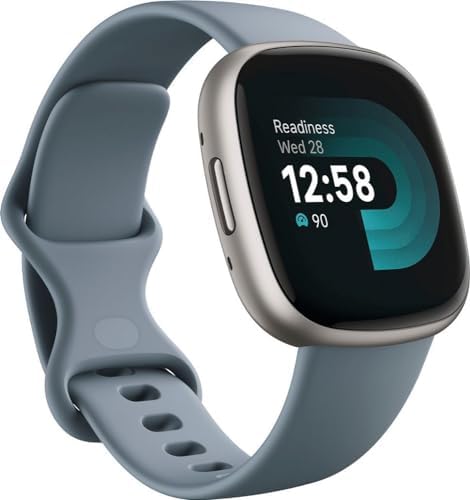
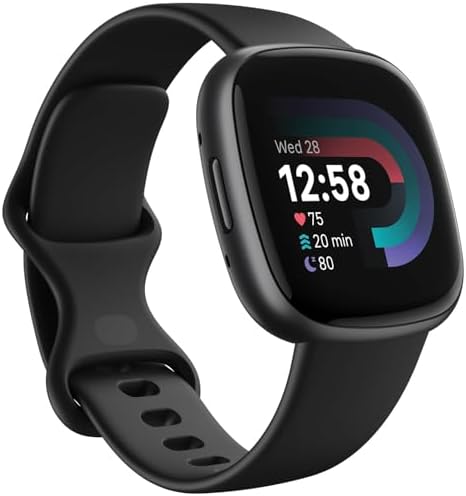
The Fitbit Versa 4 features a 1.58-inch AMOLED display, which is noticeably larger than the 1.2-inch screen on the Garmin Forerunner 165. For reading notifications, checking messages, and viewing health metrics at a glance, the extra screen real estate on the Versa 4 makes a practical difference. Text is easier to read without squinting, and the interface feels less cramped.
The Forerunner 165 compensates with a sharper pixel density and a more compact footprint. Its polymer case keeps the weight at 39 grams, which is slightly heavier than the Versa 4’s 37.6 grams but distributes well on the wrist during runs. The smaller display also means less surface area to catch on sleeves or scratch during outdoor activities.
Both watches use aluminum or polymer materials that prioritize lightness over premium feel. Neither is designed to compete with stainless steel luxury smartwatches. The Versa 4’s aluminum case gives it a slightly more refined appearance for everyday wear, while the Forerunner 165’s polymer construction signals its identity as a tool for athletes.
Battery Life: The Decisive Factor
Battery life is where the Garmin Forerunner 165 establishes the clearest advantage. With up to 11 days in smartwatch mode, it outlasts the Versa 4’s approximately 6-day rating by a wide margin. For anyone who dislikes charging a watch every few days, this difference alone can determine the purchase.
The gap widens further in GPS mode. The Forerunner 165 delivers up to 19 hours of continuous GPS tracking, while the Versa 4 manages around 6 hours. For marathon runners, ultra-distance hikers, or anyone logging long training sessions, the Garmin’s endurance is not a luxury-it is a requirement. A watch that dies mid-run is worse than no watch at all.
This battery disparity reflects the underlying design philosophies. Garmin engineers its devices for outdoor athletes who may spend entire days away from power sources. Fitbit designs for the daily commute and the gym session, where a nightly charge is already part of the routine.
Training Features and Running Metrics
For runners, the Forerunner 165 offers a suite of training tools that the Versa 4 does not match. VO2 max estimates, training effect scores, recovery time recommendations, and race predictions are all built into the Garmin ecosystem. These metrics help structure training, avoid overtraining, and track fitness improvements over weeks and months.
The Versa 4 includes Active Zone Minutes, which tracks time spent in fat-burn, cardio, and peak heart rate zones. This is useful for general fitness, but it lacks the depth required for structured run programming. There are no interval timers tailored to running, no pace alerts, and no race-day tools.
The Garmin also supports multi-band GNSS, which improves GPS accuracy in challenging environments such as dense tree cover or urban canyons. For runners who care about precise pace and distance data, this is a meaningful upgrade over the single-band GPS found in the Versa 4.
Wellness and Sleep Tracking
Fitbit has long been recognized for its sleep tracking, and the Versa 4 continues that tradition. It provides a Sleep Score, Smart Wake alarms that rouse you during light sleep, and detailed breakdowns of sleep stages. The Daily Readiness Score, available with Fitbit Premium, combines activity, heart rate variability, and sleep data to suggest whether you should push hard or recover.
The Forerunner 165 includes basic sleep tracking and Garmin’s Body Battery metric, which estimates energy reserves throughout the day. While functional, the sleep insights are less detailed than what Fitbit offers without a subscription. Garmin’s advanced sleep metrics require the Connect+ subscription, which adds another cost layer.
For users whose primary goal is understanding and improving sleep quality, the Versa 4 presents a more complete out-of-the-box experience. For runners who view sleep as one input among many, the Forerunner 165’s tracking is sufficient.
Smart Features and Ecosystem
Both watches handle the essentials: notifications, music controls, and contactless payments. The Versa 4 supports Alexa voice commands and Google Wallet, making it a natural fit for Android users embedded in Google’s ecosystem. The Forerunner 165 offers Garmin Pay and on-device music storage, which allows phone-free listening during runs.
Neither watch supports third-party app stores in the way an Apple Watch or Wear OS device does. The Versa 4 has a limited selection of Fitbit apps, while the Forerunner 165 focuses on Garmin’s own Connect IQ platform. For users who want extensive app support, neither is the ideal choice.
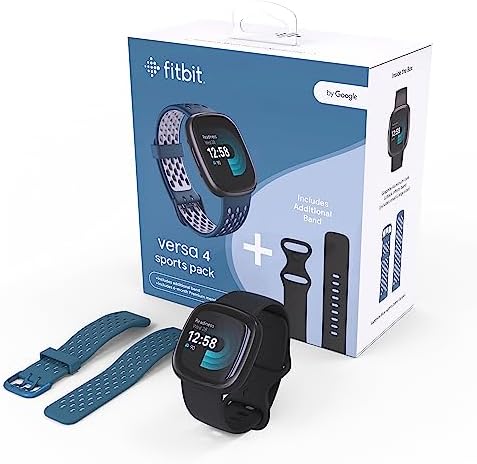
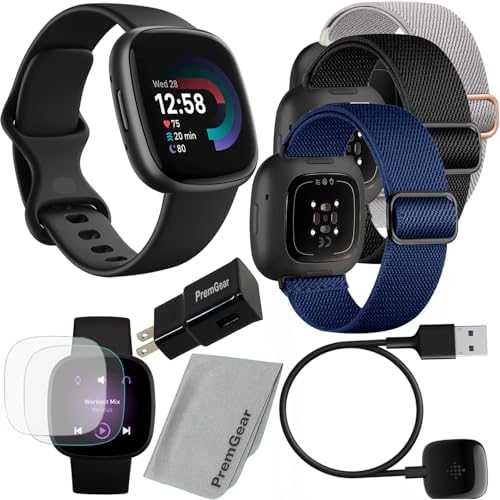
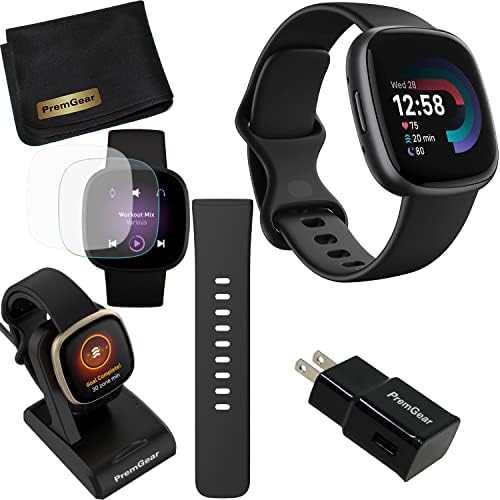
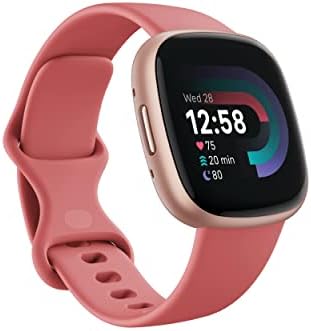
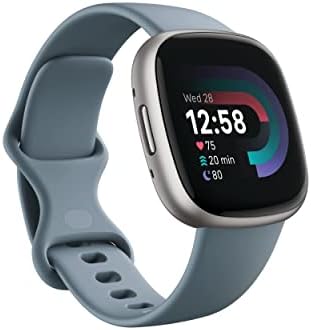
The Fitbit Versa 4 Fitness with Daily Black Graphite GPS is a strong option for anyone who wants a lifestyle smartwatch with reliable GPS and comprehensive wellness tracking. The Garmin Forerunner 165 Running Colorful AMOLED Black appeals to runners who need battery endurance and advanced training metrics. The choice depends entirely on which set of features aligns with daily priorities.
Who Should Buy Which Watch
Buy the Fitbit Versa 4 if your day revolves around general wellness rather than structured training. You want a large, readable display for notifications and health stats. You value sleep insights and stress management tools. You charge your watch nightly anyway and do not need multi-day battery life. You prefer a device that feels like a smartwatch first and a fitness tracker second.
Buy the Garmin Forerunner 165 if running is your primary activity. You need GPS accuracy, long battery life, and training metrics that guide your progress. You want a watch that can handle a marathon without recharging. You prefer to avoid subscription fees for core features. You accept a smaller display and a more utilitarian design in exchange for performance-focused engineering.
The Versa 4 and Forerunner 165 represent two valid answers to the same question. One prioritizes daily wellness and lifestyle integration. The other prioritizes athletic performance and endurance. Matching the watch to your actual behavior-not your aspirational behavior-is the surest way to end up satisfied with the purchase.