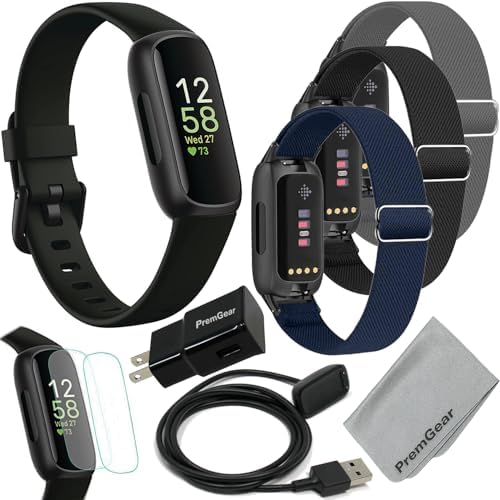
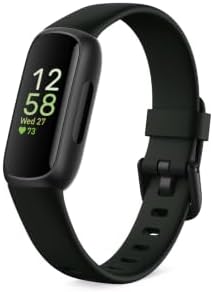
The Fitbit Inspire 3 Activity Tracker occupies a distinctive space in the wearable market by delivering the physiological data most users genuinely need while leaving out the costly extras that drive up the price of full-featured smartwatches. Instead of chasing built-in GPS or third-party applications, this slim band concentrates on heart rate trends, daily movement patterns, and sleep architecture, making it a natural next step for anyone moving beyond basic pedometers. The device manages to fit an array of sensors into a chassis that weighs roughly 26 grams, proving that meaningful health monitoring does not require a bulky touchscreen or standalone connectivity.
Examining the device closely reveals how deliberately Fitbit has refined the user experience. The Inspire 3 does not try to act as a miniature phone on the wrist; rather, it highlights the metrics that shape everyday choices, including resting heart rate, Active Zone Minutes, and a Daily Readiness Score derived from overnight recovery data. This approach positions the tracker as a practical ally for wellness-focused individuals, from desk-bound professionals checking stress levels to recreational runners reviewing recovery status. The philosophy fits neatly within the broader Fitbit brand’s approach to wearable design, where sustained behavioral change carries more weight than fleeting gadget appeal.
AMOLED Display and Ergonomic Design
The Inspire 3 marks a clear step forward from earlier generations by adopting an AMOLED touchscreen, replacing the dim monochrome panels of the past. Colors appear rich even under harsh sunlight, and automatic brightness adjustment keeps the display readable during daytime runs and late-night checks alike. Swiping through menus feels responsive, while the side button provides a dependable fallback for navigation when fingers are wet or covered by gloves. This pairing of input methods improves usability without burdening the interface with unnecessary complexity.
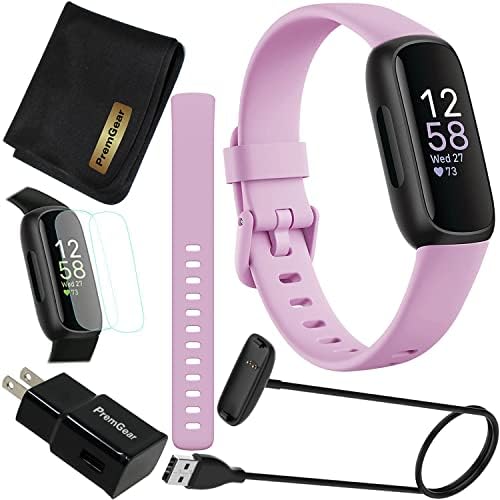
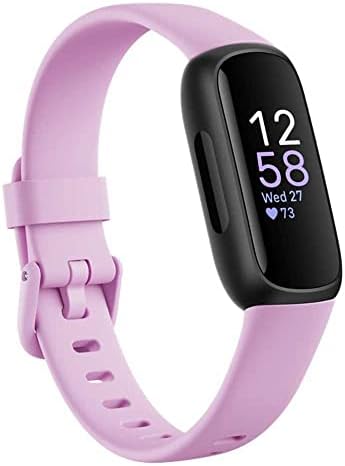
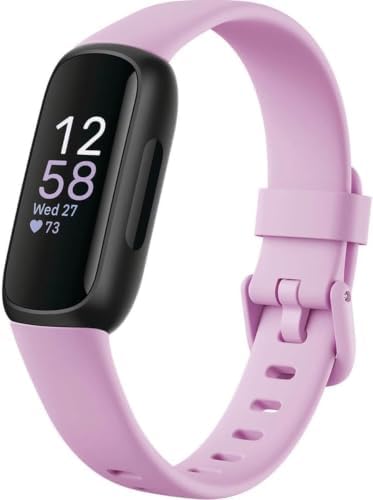
Comfort underpins the entire design language of the Inspire 3. The lightweight aluminum top ring and soft silicone bands work together to create a profile that disappears on the wrist, an essential quality for gathering uninterrupted sleep data. Fitbit includes both small and large band sizes in the box, so achieving a secure yet breathable fit takes seconds rather than requiring a separate purchase. The quick-release mechanism also allows wearers to swap in fabric or metal bands for formal settings, adapting the tracker to contexts beyond the gym. Those who prioritize style flexibility will find the color options refreshing, and the Fitbit Inspire 3 Health & Fitness in Lilac Bliss offers a softer palette that can make a wellness device feel more personal.
Screen Customization and Durability
A curated collection of clock faces ranges from minimal digital readouts to analog-inspired layouts that display step counts and heart rate simultaneously. Users can adjust screen timeout duration and enable an always-on mode, though that setting cuts battery life from the standard ten-day maximum to roughly five days. Touch sensitivity holds up well during workouts, even when sweat accumulates on the glass, and the auto-brightness feature prevents the screen from becoming a distraction in dim settings.
Structural integrity comes from a plastic composite housing reinforced by an aluminum bezel, while Gorilla Glass 3 shields the AMOLED panel from scratches and minor impacts. The 50-meter water resistance rating supports swim tracking and worry-free hand washing, though the device is designed for surface swimming rather than diving. Band materials resist sweat degradation and rinse clean under running water, preserving their look through months of rigorous activity.
Health Monitoring Features and Daily Readiness
Continuous heart rate monitoring forms the backbone of the Inspire 3 experience, feeding data into algorithms that estimate resting heart rate, heart rate variability, and blood oxygen saturation. The optical sensor employs a multi-path architecture that reduces motion artifacts, producing steady readings even during interval training. Fitbit calibrates these algorithms across varied populations, which lends credibility to the numbers displayed on screen.
Sleep tracking stands as one of the strongest arguments for choosing this device. The Inspire 3 automatically detects light, deep, and REM stages using movement patterns combined with heart rate variability, then assigns a Sleep Score each morning. Beyond simple stage reporting, the companion app generates insights about sleep consistency, restlessness, and suggested bedtime windows based on personal history. Irregular sleepers will appreciate how the tracker captures afternoon naps and unusual sleep onsets without demanding manual logging.
| Key Feature | Fitbit Inspire 3 Capability | User Benefit |
|---|---|---|
| Display | AMOLED touchscreen | Vivid visibility in all lighting |
| Battery Life | Up to 10 days | Minimal charging interruptions |
| Water Resistance | 50 meters | Swim tracking and pool use |
| Sleep Monitoring | Stages, Score, and Insights | Detailed sleep quality analysis |
| Stress Tools | EDA sensor and Mindfulness content | Daily readiness and stress management |
| Connected GPS | Uses phone GPS | Pace and route mapping via smartphone |
The table above illustrates how Fitbit balances feature depth with battery efficiency. The Daily Readiness Score deserves particular attention, as it synthesizes overnight recovery data into a straightforward number from 1 to 100. A high score suggests the body is prepared for demanding workouts, while a lower reading gently advises rest or lighter activity. This metric requires consistent wear for roughly two weeks before becoming fully personalized, with accuracy improving as more data accumulates. For athletes managing training loads or individuals coping with stress, this single number offers a practical way to plan tough sessions.
Exercise Tracking and Active Zone Minutes
The Inspire 3 recognizes numerous activities automatically, detecting movements like walking, running, cycling, swimming, and elliptical training through SmartTrack technology. The system logs sessions after roughly ten minutes of sustained motion, even when users forget to start tracking manually. Beyond simple detection, the device calculates Active Zone Minutes, which measures time spent in fat-burn, cardio, or peak heart rate zones relative to personalized thresholds based on age and resting heart rate. This approach gives wearers a clearer picture of workout intensity than step counts alone.
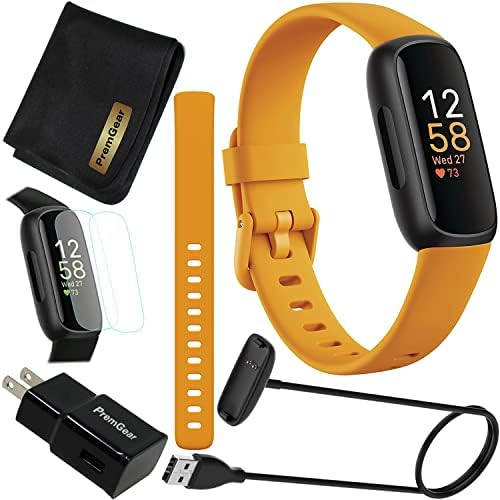
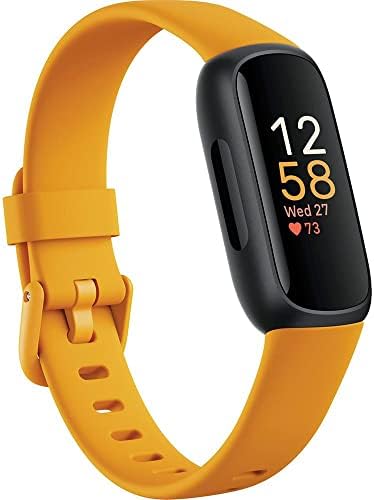
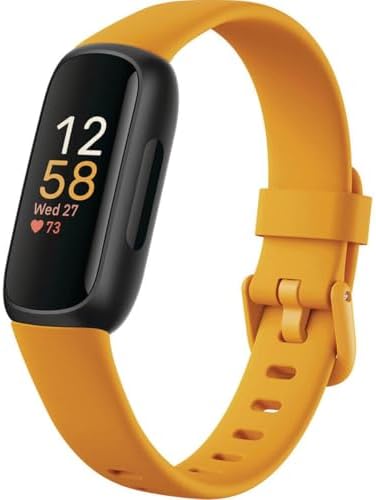
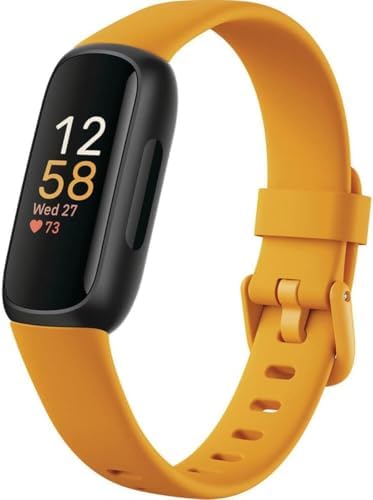
On-wrist coaching cues alert users before they shift into different heart rate zones, while deeper analytics, including intensity maps and heart rate curves, appear after syncing with the mobile app. Structured training followers will notice how easily the Inspire 3 exports session data into the exercise calendar, revealing how hard efforts interact with recovery days. This systematic feedback empowers users without overwhelming them, making the tracker a practical instrument for monitoring cardiovascular changes over time. The Fitbit Inspire 3 Health & Fitness in Morning Glow brings the same tracking suite into a warmer colorway for those who want their wearable to feel less clinical.
Battery Life and Charging Convenience
Battery endurance ranks among the strongest selling points of the Inspire 3. Fitbit estimates up to ten days of typical use, assuming continuous heart rate monitoring, sleep tracking, and periodic screen checks. Real-world owners often exceed this figure by limiting notifications and reducing brightness manually. Consistent overnight wear keeps sleep tracking uninterrupted, and the generous runtime breaks the habit of nightly charging that many competing devices demand.
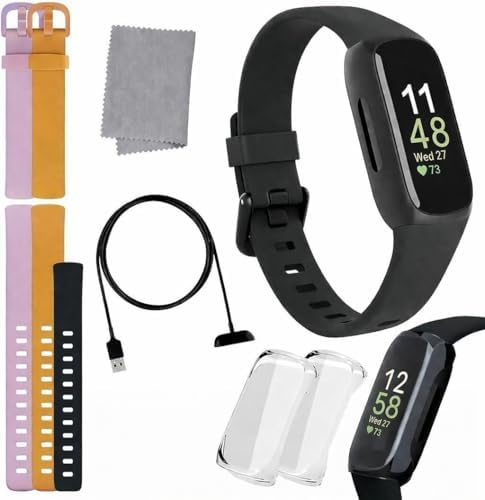
The proprietary charging cable uses a compact pogo-pin connector that snaps into place magnetically. A full charge takes roughly two hours from most USB power sources, and the short cable travels easily in a pocket or bag. While the connector differs from standard micro-USB or USB-C, the magnetic alignment makes attachment foolproof even in dim light. This straightforward charging architecture reinforces the device’s philosophy of getting out of the way and letting users focus on their health rather than on battery anxiety.
Software Integration and the Fitbit Premium Question
Syncing relies on Bluetooth Low Energy communication with the Fitbit app on iOS and Android. The dashboard organizes sleep, readiness, activity, and stress scores into distinct sections while also revealing correlations across categories. Users who log meals or body weight will find those inputs woven into the same interface, transforming isolated data points into interpretable lifestyle patterns. This connected view helps habits form naturally as users begin recognizing how sleep affects resting heart rate or how stress influences activity levels.
Fitbit Premium emerges as a recurring consideration for those exploring advanced sleep reports and readiness algorithms. The Inspire 3 contains the measurement hardware for these insights, but richer longitudinal analyses, such as Sleep Profiles and detailed trend reports, sit behind the subscription paywall. The free tier still captures daily totals effectively, which satisfies many users seeking gentle behavioral guidance rather than exhaustive clinical data. The choice ultimately comes down to whether deeper pattern recognition justifies the recurring cost.
Inspire 3 in the Broader Fitbit Lineup
Understanding where the Inspire 3 fits among other Fitbit trackers helps clarify its value proposition. Moving up to the Charge series adds built-in GPS and an EDA sensor for stress detection, making those models attractive for runners who want to leave their phones behind. However, joggers comfortable carrying a smartphone will find the connected GPS of the Inspire 3 adequate for mapping distance and pace, since the phone handles positioning while the tracker manages heart rate and activity logging. This distinction matters for budget-conscious buyers who prioritize core wellness metrics over standalone navigation.
The Inspire 3 also holds its own against the Versa and Sense smartwatch lines, which offer larger screens, voice assistants, and app stores. Those additions come with trade-offs in size, weight, and battery life that some users find unnecessary. The single-purpose focus of the Inspire 3, combined with its featherlight chassis and ten-day runtime, makes it a compelling alternative for anyone who wants health tracking without the distractions of a full smartwatch OS.
Color Options and Personalization
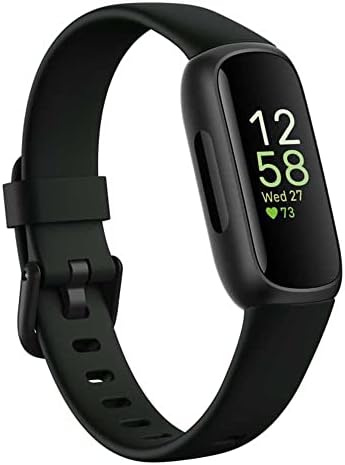
Fitbit released the Inspire 3 in several finishes so buyers are not confined to generic black electronics. The Midnight Zen and Morning Glow options join the Lilac Bliss variant, each featuring dual-tone band contrast that pairs well with neutral wardrobes. The softer colorways broaden the device’s appeal, making it a thoughtful gift for family members who might otherwise resist wearing a fitness tracker. Affordable accessory pricing also allows users to collect multiple bands without significant financial commitment, adapting the look to match formal attire or weekend casual wear.
Clock face customization extends the personalization possibilities further. Dozens of pre-installed watch faces let users prioritize which metrics appear at a glance, whether that means heart rate, steps, or Active Zone Minutes. Each layout balances glanceability with readability, and long-pressing the screen opens the menu for adjusting widget priorities. Battery percentage displays conveniently within stat screens, while notification alerts can be customized to reduce interruptions during focused work sessions.
Ecosystem Longevity and Data Portability
Google’s acquisition of Fitbit continues shaping the ecosystem, with Health Connect API support enabling synchronization between the Inspire 3 and various Android wellness applications. This cross-platform compatibility reassures users that their historical health data remains portable, reducing concerns about being locked into a single proprietary system. For those eventually upgrading to a full smartwatch, the transition feels seamless because the same Fitbit app and account structure carries forward.
The Inspire 3 also manages notifications sensibly, supporting call, text, calendar, and app alerts without becoming a constant source of interruption. Quick Replies function on Android devices, while iOS users rely on glanceable notifications to decide whether pulling out a phone is necessary. This measured approach to connectivity keeps the device focused on its primary mission of health tracking rather than competing for attention with the smartphone in the pocket.
Long-term support expectations remain positive, as Fitbit continues delivering firmware improvements that refine calibration formulas and introduce subtle accuracy enhancements. The device does not stand still after purchase; rather, it benefits from ongoing algorithmic optimization that sustains its relevance over time. This commitment to improving existing hardware reflects a philosophy that values the wearable as a long-term health partner rather than a disposable gadget.
Choosing an entry-level activity tracker requires honest expectations about what the device can and cannot do. The Inspire 3 series acknowledges its limitations clearly, forgoing cellular independence and built-in mapping in favor of habit-forming wellness features that genuinely improve daily life. Sleep scoring, readiness metrics, and Active Zone Minutes provide the structure needed to build sustainable routines, while the lightweight design ensures the device stays on the wrist through the night and through the workday.
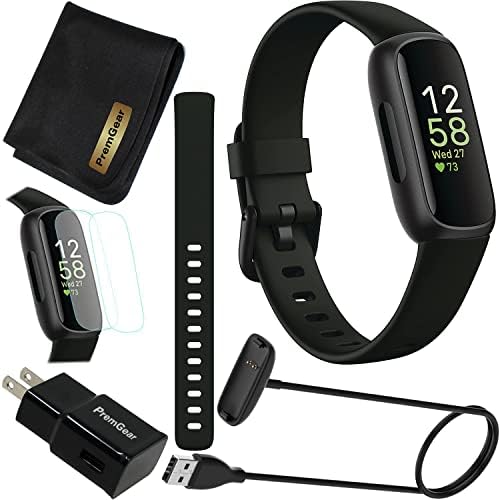
For those seeking a straightforward path to better health awareness, the Inspire 3 delivers measurable value through consistent, accurate data collection wrapped in an unobtrusive package. The classic black Fitbit Inspire 3 Health & Fitness is the most versatile option, pairing the neutral finish with the complete suite of sleep, stress, and activity tools. The device proves that meaningful wellness tracking does not require complexity, offering instead a focused, dependable companion for anyone ready to understand their body on a deeper level.