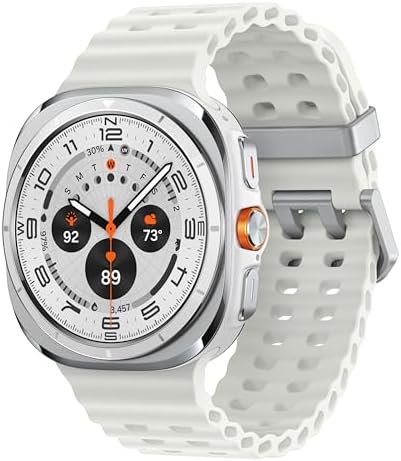
Choosing between the Samsung Galaxy Watch Ultra and the Apple collection Watch Ultra 3 is a decision that comes down to more than just brand loyalty. Both wearables are built for athletes, divers, and outdoor enthusiasts who demand durability, advanced health metrics, and reliable performance in extreme conditions. This professional comparison serves as a practical buying guide, examining everything from case construction and display brightness to battery endurance and ecosystem integration, so readers can identify which flagship truly fits their lifestyle.
The table below condenses the most critical specifications and selling points into a side-by-side overview, helping buyers quickly spot where each model excels before reading the detailed analysis that follows.
| Feature & Selling Point | Samsung Galaxy Watch Ultra | Apple Watch Ultra 3 |
|---|---|---|
| Case Material & Finish | Titanium grade 4, cushion design with protective bezel ring | Rugged titanium case with raised edge protection |
| Display Size & Shape | 1.5-inch circular AMOLED | 1.92-inch rectangular Retina LTPO OLED |
| Peak Brightness | 3,000 nits | 3,000 nits |
| Display Protection | Sapphire crystal glass | Sapphire crystal glass |
| Battery Life (stated) | Up to 60 hours in exercise mode; 590mAh cell | Up to 36 hours in normal use |
| Charging Standard | WPC wireless (Qi-certified compatible) | Proprietary fast-charge USB-C (80\% in ~1 hour) |
| Water Resistance | 10 ATM + IP68 | 100 metres (WR100), EN13319 dive compliance |
| Satellite Communication | Two-way GPS messaging (varies by region) | Satellite messaging via built-in hardware |
| GPS Accuracy | Dual-band L1 + L5 with route backtrack | Precision dual-frequency GPS (L1 + L5) |
| Chipset | Exynos W1000 processor | Apple S10 SiP |
| Operating System | Wear OS 5 (Samsung One UI 6) | watchOS 11 |
| Health Sensors | BioActive sensor (HR, ECG, BIA body composition) | ECG, SpO2, temperature, depth gauge |
| Sleep Apnea Detection | Yes (via Samsung Health) | Yes (via Health app) |
| Diving Features | Dive readiness score, depth gauge | Depth app, EN13319 compliance |
| Navigation Input | Rotating bezel + quick launch button | Digital Crown + customizable Action button |
| Strap Compatibility | Standard 20mm quick-release lugs | Proprietary lug system (Ocean, Trail, Alpine) |
| Workout Modes | 100+ modes incl. Pentathlon, FTP cycling, route backtrack | Multisport incl. run power, custom workouts, depth app |
| Audio & Microphone | Single optimized mic for voice clarity | Dual speakers + 3-mic array with wind noise reduction |
| Safety Features | SOS, fall detection, route backtrack | Siren (86dB), Emergency SOS via satellite, crash detection |
| Key Selling Point | Pentathlon mode for multi-sport races | Siren and precision dual-frequency GPS |
The clearest takeaway from this data is the contrast between battery philosophy and display approach. Samsung targets multi-day expeditions with power-efficient components, whereas Apple pushes screen brilliance and a wider health sensor suite, even if it consumes energy faster. These priorities shape every other difference discussed in this article.
Design Philosophy and Build Quality
The Samsung Galaxy Watch Ultra introduces a cushion-shaped case that catches light differently from every angle, surrounding a circular dial that echoes classic tool watch proportions. Its titanium grade 4 frame delivers structural rigidity while keeping the overall weight acceptable for all-day wear. By contrast, the Apple Watch Ultra 3 continues the squared-off flat display language refined over several generations, optimizing touch targets and readability under harsh sunlight with peak brightness reaching 3,000 nits.
Ergonomics diverge sharply around navigation hardware. Apple positions the Digital Crown for rapid menu scrolling, complemented by a customizable Action button on the left edge that launches workouts or dive sessions instantly. Samsung counters with a rotating bezel that provides tactile feedback for scrolling through lists and maps, plus a quick launch button assignable to stopwatch, flashlight, or frequently used apps. Both approaches have devoted followers, but the mechanical simplicity of Samsung’s bezel offers fewer failure points over extended outdoor use.
Strap Ecosystem Considerations
Band compatibility is a deciding factor for athletes who already own specialized straps. The Apple Watch Ultra 3 [GPS + Titanium 49mm GPS Cellular a proprietary lug system that fits sport loops, trail loops, and the rugged Ocean band securely, though third-party options remain limited. Samsung standardized 20mm lugs for the Galaxy Watch Ultra, opening the door to virtually any standard quick-release strap, which appeals to hikers who swap between silicone and fabric depending on the season.
For underwater use, both cases incorporate protective crown guards. The Apple model adds dual speakers and a three-microphone array that reduces wind noise during calls, while Samsung focuses on a single optimized microphone designed primarily for voice clarity rather than projecting a loud siren across a campsite.
Display Technology and Outdoor Visibility
Apple’s LTPO OLED panel adjusts refresh from 1Hz to 120Hz adaptively, preserving battery when the screen is static but delivering fluid animations during workouts. The sapphire crystal front resists scratches from rock contact and abrasive trail dust effectively. Samsung matches that protection with its own sapphire glass covering a super AMOLED display that also reaches 3,000 nits peak brightness, ensuring sunlight legibility for maps and notifications.
Each display format influences how information is consumed. Samsung’s circular interface arranges complications around the arc edges, keeping the center open for analog-style watch faces that appeal to traditionalists. Apple’s rectangular canvas supports denser data layouts, wider map views during navigation, and more lines of text for messages. Runners who follow GPS breadcrumbs may prefer Apple’s larger map area, while those who glance at heart rate and pace simultaneously might find Samsung’s circular layout less cluttered.
Health, Fitness, and Training Metrics
Cardiovascular monitoring takes different paths on these two wearables. The Apple wearable lineup includes training load calculations, heart rate variability trends, and sleep apnea detection that analyzes overnight breathing disturbances. Samsung relies on its BioActive sensor, which combines heart rate, electrocardiogram, and bioelectrical impedance analysis into one compact module, enabling body composition readings such as skeletal muscle mass and body fat percentage that Apple does not offer directly.
Rugged Sport Modes and Outdoor Utilities
Samsung developed a Pentathlon mode that automatically tracks swim-run-transition segments, making it valuable for triathletes and obstacle course racers. Cycling features include functional threshold power estimation and anaerobic threshold detection, helping riders pace intervals more accurately. Apple invests in multisport tools like route-based run power calculation, which factors in gradient and wind resistance to give trail runners a more realistic effort metric than pace alone.
GPS accuracy deserves equal scrutiny from anyone navigating dense forests or narrow canyons. The Apple Watch Ultra 3 [GPS + Titanium 49mm GPS Cellular and L5 bands simultaneously, reducing drift in urban canyons and under heavy tree cover. Samsung’s comparable system also supports L1 plus L5 dual-band reception and adds route backtrack, which guides users back to their starting point if they stray off course, recalculating deviations safely rather than patching inaccurate paths.
Software Experience and Ecosystem Synergy
Operating systems dictate how deeply each watch integrates with a user’s digital life. Samsung promotes Wear OS collaboration guided by One UI, enabling full Android notification mirroring, Google Maps turn-by-turn directions, and compatibility with a wide range of Android phones beyond Samsung devices. Apple preserves its tightly controlled ecosystem, where the Apple Watch Ultra 3 syncs seamlessly with iPhone features like Health app consolidation, Emergency SOS via satellite, and remote camera control, but only for iOS users.
Customization philosophies differ as well. Samsung grants access to Google Assistant alongside Bixby, supports third-party watch faces downloaded from the Play Store, and allows deeper UI tweaks through One UI settings. Apple restricts watchOS modifications to curated applications, ensuring uniform rendering and consistent performance but limiting personalization for users who want to reshape their interface completely. Privacy practices also diverge, with Apple processing most health metrics on-device, while Samsung may share aggregated insights across Samsung Health and selected analytics services for feature improvement.
Battery Charging and Longevity Planning
Battery chemistry shapes daily habits more than any other specification. The Samsung Galaxy Watch Ultra houses a 590mAh cell that supports up to 60 hours of exercise tracking, achieved through an adaptive refresh panel and energy-efficient display materials. Apple Watch Ultra 3 delivers roughly 36 hours of standard operation, though its newer chipset introduces sleep-stage efficiency pacing that reduces overnight drain during sleep monitoring.
Charging methods create practical preferences for travelers. Apple includes a fast-charge USB-C cable that reaches 80 percent in about an hour, convenient for quick top-ups between workouts. Samsung adopts the WPC wireless interface, making its watch compatible with many Qi-certified charging docks already found in homes and hotels. Backpackers who carry solar panels might favor Samsung’s broader wireless acceptance, while urban commuters may appreciate Apple’s faster proprietary charging curve.
Selecting between these two rugged watches ultimately depends on matching endurance characteristics with personal recharging routines. Apple designs its Ultra 3 for professionals who spend most days near a desk but need extreme capability during workouts, while Samsung targets outdoor overnighters who can stretch battery life by adjusting display and connectivity settings. Buyers considering either flagship should weigh which ecosystem they already inhabit and which training metrics matter most, whether that means the Apple Watch Ultra 3 with Milanese Loop for refined durability or Samsung’s round-dial endurance champion for extended expeditions away from power outlets.
![Samsung Galaxy Watch Ultra (2024) 47mm LTE AI Smartwatch w/Energy Score, Wellness Tips, Heart Rate Tracking, Sleep Monitor, Fitness Tracker, GPS, Titanium Gray [US Version, 1Yr Manufacturer Warranty]](http://www.donysterling.com/images/202608/1785845310189_987pss_0.jpg)
![Samsung Galaxy Watch Ultra (2024) 47mm LTE AI Smartwatch w/Energy Score, Wellness Tips, Heart Rate Tracking, Sleep Monitor, Fitness Tracker, GPS, Titanium White [US Version, 1Yr Manufacturer Warranty]](http://www.donysterling.com/images/202608/1785845331583_j2xoqb_0.jpg)
![Samsung Galaxy Watch Ultra (2024) 47mm LTE AI Smartwatch w/Energy Score, Wellness Tips, Heart Rate Tracking, Sleep Monitor, Fitness Tracker, GPS,Titanium Silver [US Version, 1Yr Manufacturer Warranty]](http://www.donysterling.com/images/202608/1785845293832_tby7r0_0.jpg)
![Samsung Galaxy Watch Ultra (2024) Bespoke Edition 47mm LTE AI Smartwatch, Wellness Tips, Heart Rate, Sleep Monitor, Fitness Tracker, Titanium Silver [US Version, 1Yr Manufacturer Warranty]](http://www.donysterling.com/images/202608/1785845204080_cj9m8z_0.jpg)
![Samsung Galaxy Watch Ultra (2024) LTE 47 mm Titanium Smartwatch 鈥� White 鈥� Rugged Design with Dual-Band GPS, 100-Hour Battery, Fitness & Health Tracking, 10 ATM Water Resistant [International Version]](http://www.donysterling.com/images/202608/1785844095734_26m4my_0.jpg)
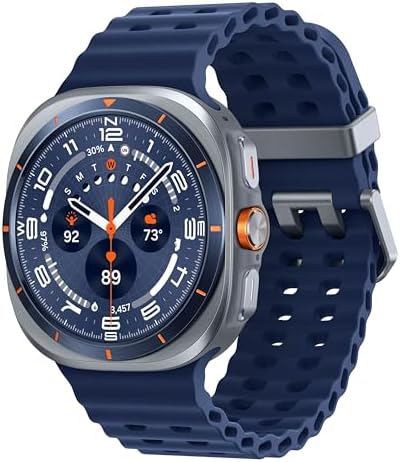
![Samsung Galaxy Watch Ultra (2025) 47mm LTE Smartwatch, Titanium Casing, Advanced Sleep Coaching, Running Coach, Energy Score, Heart Rate Tracking, GPS, Titanium Blue [US Version, 2 Yr Warranty]](http://www.donysterling.com/images/202608/1785850134018_qgztvp_0.jpg)
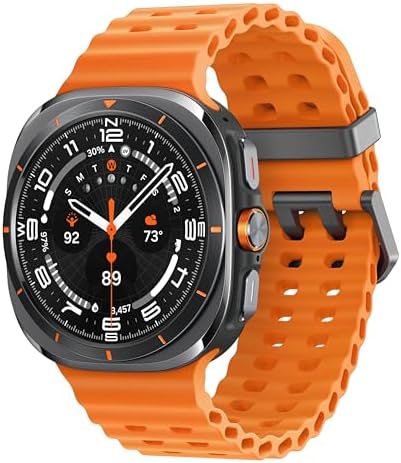
![Samsung Galaxy Watch Ultra (2025) 47mm LTE Smartwatch, Titanium Casing, Advanced Sleep Coaching, Running Coach, Energy Score, Heart Rate Tracking, GPS, Titanium Gray [US Version, 2 Yr Warranty]](http://www.donysterling.com/images/202608/1785849800787_joye99_0.jpg)
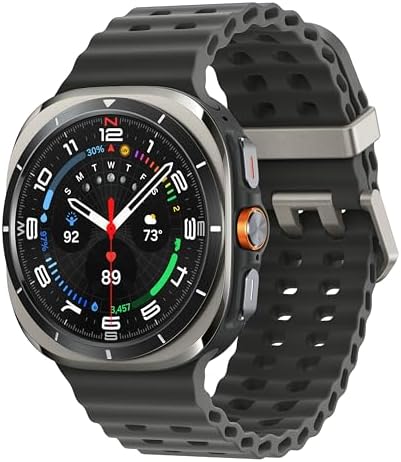
![Samsung Galaxy Watch Ultra (2025) 47mm LTE Smartwatch, Titanium Casing, Advanced Sleep Coaching, Running Coach, Energy Score, Heart Rate Tracking, GPS, Titanium Silver [US Version, 2 Yr Warranty]](http://www.donysterling.com/images/202608/1785850097351_bemdr5_0.jpg)