The Apple Watch Series 11 and the Samsung Galaxy Watch8 represent the two dominant approaches to flagship smartwatches in 2025. Apple continues to refine watchOS with deep iPhone integration and a growing focus on health sensing, while Samsung pushes its Wear OS platform with advanced sleep coaching and a proven rotating bezel alternative. For anyone deciding between these two wearables, the choice usually comes down to smartphone ecosystem, sensor priorities, and daily battery expectations.
While Apple optimizes the experience for iPhone users through features like Family Setup, Samsung targets a broader range of Android devices with multi-device compatibility. The comparison table below offers a rapid overview of the most important specifications and selling points from a product expert’s perspective, helping readers quickly understand where each flagship differs before diving into the full analysis. This guide is designed as a practical reference for purchase decisions, with each comparison dimension chosen because it directly influences the daily user experience.
| Key Specs and Selling Points | Apple Watch Series 11 | Samsung Galaxy Watch8 |
|---|---|---|
| Operating System | watchOS (requires iPhone) | Wear OS 5 (Android compatible) |
| Display Tech | Always-On Retina LTPO | Super AMOLED |
| Case Material Options | Aluminum, stainless steel, titanium | Aluminum, stainless steel (Classic) |
| Durability Rating | IP6X dust resistance; 50m water resistance | 5ATM + MIL-STD-810H |
| Swim Tracking | Supports snorkeling to 6 metres | Pool swim and open water tracking |
| Battery Life (Rated) | Up to 18 hours (all-day); limited multi-day | Around 3 days per charge |
| Charging Speed | Fast charging (quick morning boost) | Fast charging (WPC-based) |
| Health Sensor Suite | Heart rate, ECG, blood oxygen, temperature | Heart rate, ECG, body composition, temperature |
| Sleep Tracking Depth | Sleep stages, wrist temperature trends | Sleep score, snore detection, coaching |
| GPS and Navigation | Dual-frequency GPS, compass, backtrace | Dual-band GPS, route import, turn-by-turn |
| Family Setup Support | Apple Watch For Your Kids | Not available (requires phone for setup) |
| iPhone Pairing | Native integration | Cannot pair with iPhone |
| App Ecosystem | watchOS App Store (curated) | Google Play Store (Wear OS) |
| Voice Assistant | Siri (on-device processing) | Google Assistant / Bixby |
| Workout Modes | Extensive library with custom routines | 90+ modes with auto-detect |
| Key Selling Point | Advanced health sensing via watchOS | Multi-day battery + Wear OS app access |
The table above shows the biggest differentiator: the Apple Watch Series 11 shines with its deep iPhone-only integration and activity features for families, whereas the Galaxy Watch8 counters with significantly longer battery stamina and broader Android compatibility. The sections below explore each area in greater detail.
Design Language and Build Quality
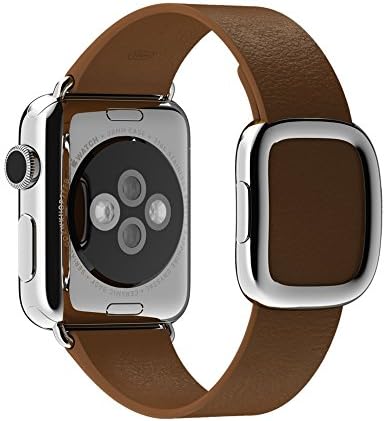
Apple’s design language for the Series 11 continues the rounded-square silhouette that has defined the line for a decade. The aluminum case remains the entry point, while stainless steel and titanium options offer a more premium heft. The digital crown and side button provide tactile navigation that feels familiar to long-time users, and the always-on display maintains steady visibility under bright sunlight during a run or a commute. The Series 11 carries IP6X dust resistance and supports snorkeling to 6 metres, confirming its readiness for water-based activities beyond simple splashes.
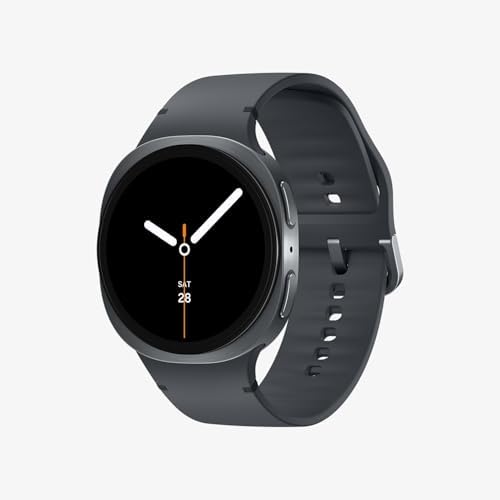
On the other side, the Samsung Galaxy Watch8 evolves with a circular, watch-like face that appeals to those who prefer a traditional aesthetic. Samsung’s AMOLED panels are among the brightest in the industry, providing high contrast and vivid colors for watch faces and workout data. The Watch8 offers a choice between sporty aluminum and a more refined stainless steel finish in the Classic variant. Its physical bezel, whether rotating or static depending on the edition, delivers a satisfying tactile interaction that competes strongly with Apple’s crown-based controls.
Both devices are built for daily abuse, but they cater to slightly different wrist personalities. The Apple Watch Series 11 feels like a natural extension of an iPhone, while the Galaxy Watch8 presents itself as a fully standalone Android companion with a more conventional watch silhouette.
Display and Brightness Performance
The Series 11’s Retina LTPO display is exceptionally power-efficient, dipping to lower refresh rates when the watch is idle while maintaining crisp text and rich complications when the wrist is raised. Outdoor readability benefits from a peak brightness level that remains the benchmark for smartwatch panels across both Android and iOS ecosystems.
Samsung’s Super AMOLED on the Galaxy Watch8 yields near-infinite contrast ratios, making deep blacks in watch faces look genuinely premium. Whether reviewing sleep stages in low light or receiving notification previews in full sun, the display punches with saturated colors. That being said, both devices excel in visibility, and the choice here comes down to the aesthetic preference for a circular versus a rectangular canvas.
Battery Life: All-Day vs Multi-Day
Battery endurance is the most clear-cut distinction between these two flagships. The Apple Watch Series 11 is designed for an all-day experience with roughly 18 hours of use. Users who engage in extensive GPS tracking, streaming music over LTE, or sleep tracking will find the battery demands a nightly top-up. Fast charging allows a quick morning boost, but users still need the habit of daily recharging.
Samsung takes a different approach with the Galaxy Watch8’s rated battery, lasting around three days on a single charge. That places it comfortably ahead of the Apple Watch for multi-day trips, weekend getaways, and users who prefer to reduce the number of times they need to reach for a charger. For users accustomed to a watch that can survive the night while capturing deep sleep patterns across two or three consecutive evenings, the Watch8 is the more self-sufficient option.
Health Monitoring, Fitness, and Sleep Analytics
Apple continues to raise the bar for wearable health features. The Series 11 benefits from watchOS’s expanding sensor suite, covering heart rate, blood oxygen, ECG, and temperature sensing. The watch is particularly strong at passive health tracking, creating a baseline for resting heart rate, cardio fitness, and cycle tracking directly in the Apple Health app. For families, the Apple Watch For Your Kids functionality, formerly called Family Setup, extends these benefits to those without an iPhone of their own. The swimming profile supports snorkeling reaches of 6 metres, which suits a wide variety of water activities.
Samsung’s Galaxy Watch8 has also matured its health offerings, with an enriched sleep coaching platform that delivers an easy-to-read sleep score, snore detection, and personalized guidance. The wellness suite measures body composition, heart rate variability, and provides advanced running metrics via GPS. While the Apple Watch wins on the sheer scale of third-party health research partnerships, the Samsung device more readily supplies multi-day trend data, which is excellent for evaluating how long-term recovery, sleep deprivation, and daily stress interact.
Ecosystem Lock-In: iOS and Android Considerations
Smartphone compatibility remains the biggest determining factor in this comparison. Apple Watch Series 11 is explicitly designed for the iPhone and cannot connect with an Android device. Apple supports pairing Samsung Galaxy watches with iPhones, but the reverse is not true, as the Watch8 requires an Android smartphone for setup. This means that the decision is largely influenced by the phone already in a user’s pocket.
For iPhone owners, the Series 11 offers tight integration with AirPods, Apple Pay, Handoff, and automatic unlocking. Messages and calls directly mirror the phone interface. Android users, on the other hand, appreciate the hardware guidance Samsung offers, in addition to the extensive app compatibility available through Wear OS. Users of the Galaxy phone can install numerous Google Play Store apps and customize watch faces beyond what Apple permits in their locked-down ecosystem.
For those already invested in the Apple ecosystem, exploring the top Apple Series 10 selections available at this retailer offers a useful reference point for understanding how the Series 11 builds upon previous generations. Similarly, Android users considering Samsung’s wearable lineup can examine the full Samsung Galaxy Watch8 range to see how the standard model compares with the Classic and Ultra variants.
Navigating the Purchase Decision
Selecting between the Apple Watch Series 11 and Samsung Galaxy Watch8 starts with checking the phone’s operating system. Once the smartphone ecosystem has narrowed the field, the next step involves identifying respective priorities: is multi-day battery autonomy more crucial than the richness of the Apple ecosystem? If battery stamina and a classic circular aesthetic rank highest, the Galaxy Watch8 deserves long consideration. If deep iPhone integration, a broad health sensor suite, and ongoing watchOS support are the expected basics, then the Series 11 aligns closely with those expectations.
Both watches have strong case offerings, vibrant displays, and increasingly capable health monitoring. Pricing varies depending on case material, band selection, and optional LTE connectivity. Prospective buyers on either side of the iOS/Android divide can shop with confidence by examining the high-performance Apple Ultra lineup or considering the full Samsung Galaxy Watch8 range, depending on which platform they call home.
In an era of endless yearly iterations, the Series 11 and Galaxy Watch8 both demonstrate that the evolution of smartwatches moves through practical enhancements, brighter displays, better sensors, and sustained battery life, rather than gimmicks. The ultimate choice rests on the phone in a user’s pocket and the length of time they want the watch off the charger.