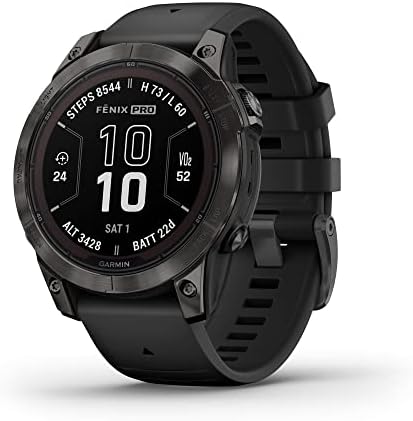
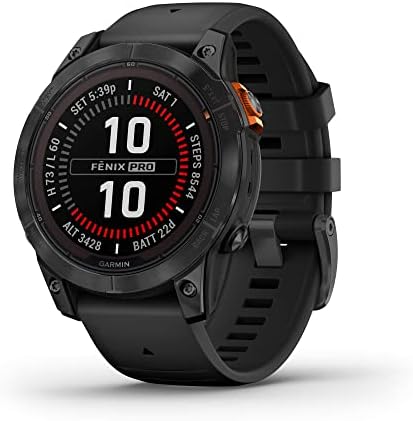
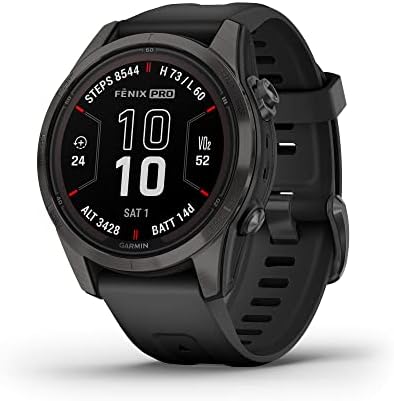
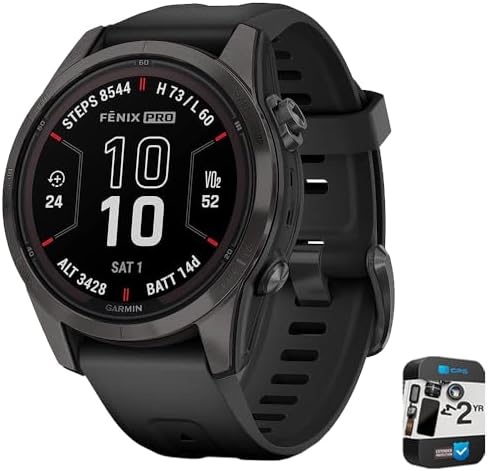
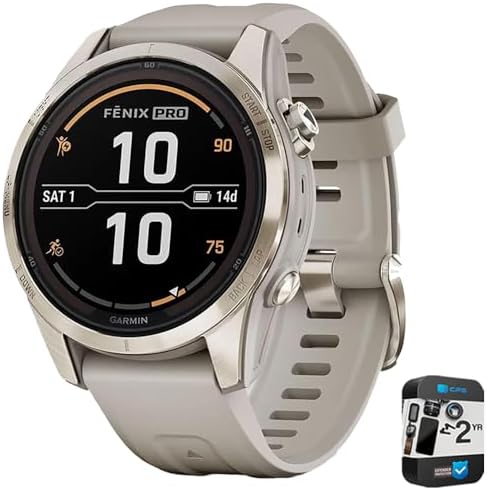
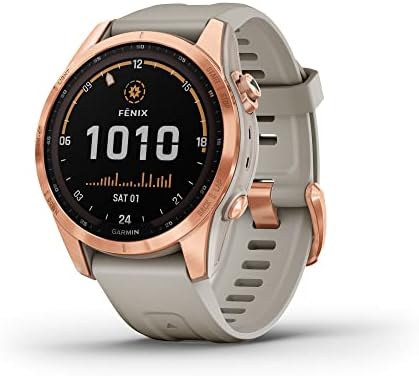
The Garmin Fenix 7 and the Garmin Instinct 3 sit at two different points on the outdoor smartwatch spectrum, yet both target people who spend more time on trails than on treadmills. The Fenix 7 arrived as a premium multisport tool with a full color display and extensive mapping, while the Instinct 3 leans into a lighter, tougher, more power-efficient philosophy. Choosing between them comes down to how much you value screen quality, on-wrist navigation depth, and battery behavior over days or weeks in the field.
| Feature and Selling Point | Garmin Fenix 7 | Garmin Instinct 3 |
|---|---|---|
| Display Type | 1.3-inch color touchscreen with sapphire option | AMOLED (45mm/50mm) or MIP solar variants |
| Case Material | Fiber-reinforced polymer with metal bezel | Fiber-reinforced polymer, chemically strengthened |
| Physical Size | 47mm and 51mm options | 45mm and 50mm options |
| Weight | Approx. 79g (51mm sapphire) | Lighter build, ideal for long wear |
| Battery Approach | Solar charging on select models | Solar version supports indefinite battery in bright light |
| Built-in Flashlight | Available on Pro and Sapphire editions | Integrated flashlight on standard models |
| Topographic Mapping | Full-color onboard maps, global coverage | Breadcrumb navigation with track back |
| GPS Satellite Support | GPS, GLONASS, Galileo, multi-band | GPS, GLONASS, Galileo |
| Health Monitoring | HRV, Pulse Ox, advanced sleep, Body Battery | HRV, Pulse Ox, sleep, Body Battery |
| Water Rating | 10 ATM, dive-rated on select editions | 10 ATM |
| Training Features | Advanced metrics, recovery, race predictions | Core training metrics and readiness score |
| Contactless Payments | Garmin Pay supported | Garmin Pay supported on AMOLED models |
| Music Storage | Onboard music, up to 2,000 songs | Supported on AMOLED editions |
| Best Suited For | Trail mapping, racing, backcountry navigation | Everyday rugged wear, multi-day treks, lighter wrist feel |
| Design Language | Refined metal accents, premium finish | Utility-first, minimalist rugged aesthetic |
| Price Positioning | Premium tier | Mid-tier, stronger value entry |
This comparison is written as a practical buying reference for hikers, runners, climbers, and tactical users who want to spend once and spend well. The breakdown below highlights where each model excels, so the right choice becomes clear without wading through marketing noise.
The clearest dividing lines sit in three areas: mapping, weight, and battery strategy. The Fenix 7 puts full-color topographic maps directly on the wrist, which transforms backcountry navigation. The Instinct 3 counters with a lighter overall build and, on its solar variant, the potential for effectively indefinite battery life under strong light. Everything else flows from those choices.
Display and Interface: Premium Touchscreen Versus Purposeful Simplicity
The Fenix 7 uses a full-color touchscreen with an optional sapphire lens, and the added brightness and resolution make map reading and glanceable metrics noticeably easier in mixed conditions. Touch input also speeds up panning and zooming during route planning. Garmin pairs that screen with five-button control, so gloves and wet fingers remain a practical option on cold-weather hikes.
The Instinct 3 takes a different route. Its AMOLED configurations deliver sharp color output, while the solar MIP versions prioritize visibility and power efficiency over pixel density. According to Garmin, the Instinct 3 includes smart notifications, health and wellness features, and an integrated flashlight. The design intentionally strips back glitz in favor of field durability, and users migrating from an older Fenix often note how readable the newer panels remain at wide angles and under direct sun.
Battery Life and Solar Strategy: Two Philosophies in One Decision
Solar charging has become a Garmin signature, and both lines embrace it differently. The Garmin 010-02540-00 fenix 7 adventure rugged silver graphite GPS a solar ring to extend intervals between charges, which matters on multi-day expeditions where outlets are unavailable. In bright conditions, solar input offsets GPS drain and stretches runtime meaningfully, though the underlying battery still carries the bulk of the workload.
The Instinct 3 shifts the balance further toward efficiency. Garmin forum discussions comparing the Instinct 3 Solar with the Fenix 7 Solar describe the newer model as capable of indefinite battery life in strong sunlight, and users note the lighter build reduces wrist fatigue on long trips. For expedition users who accept reduced display complexity in exchange for simply not thinking about charging, the Instinct 3 Solar is engineered around that exact premise.
Navigation and Mapping: On-Wrist Topography Versus Track Guidance
Onboard topographic mapping is the Fenix 7’s defining advantage. Global maps at multiple scales let hikers follow unfamiliar trails, check elevation profiles, and reroute without pulling out a phone. Ski maps, golf maps, and downloadable regional layers add flexibility, and the multi-band GNSS supports tighter position accuracy in canyons and dense forest where signal reflection confuses lesser receivers.
The Instinct 3 offers breadcrumb navigation and track-back functionality rather than a full map canvas. It records a route, keeps you on line, and returns you to the trailhead, which covers the needs of most day hikes and many multi-day routes where terrain features are visible. The trade-off is clear: less spatial context, more screen simplicity and battery economy.
Durability, Weight, and Wrist Comfort Over Long Days
Both watches meet 10 ATM water resistance, carry fiber-reinforced polymer cases, and pass Garmin’s thermal, shock, and water testing standards for outdoor hardware. Physical dimensions differ slightly: rough size measurements place the largest Fenix 7 variants at around 51 x 51 mm and the Instinct 3 family around 45 mm and 50 mm case options, with the Instinct 3 generally presenting the lighter wrist presence.
That weight difference becomes noticeable during multi-hour activities like climbing, paddling, or trail running, where a lighter watch upsets wrist mechanics less. The Fenix 7 counters with a more refined finish and premium materials, including sapphire crystal and titanium or stainless bezels on upper editions, so the choice often becomes one of feel versus heft.
Training, Health, and Everyday Smartwatch Duties
The Fenix 7 packs a deeper athletic toolkit. Race predictions, advanced recovery metrics, training load, VO2 max trends, and structured workout support target competitive and serious recreational athletes. Multiband GNSS pairing further boosts accuracy during interval work on wooded trails or urban canyon routes, where position drift can compromise pace data.
The Instinct 3 keeps core health features intact: heart rate variability, Pulse Ox, sleep tracking, Body Battery energy monitoring, and readiness scoring. Garmin Pay and music storage appear on the AMOLED configurations, so contactless payments and phone-free audio remain available. The line lacks some of the deepest training analytics of the Fenix, but the gap rarely matters outside structured racing programs.
Progression within the Garmin ecosystem is worth noting for upgraders. The Garmin Instinct 3 Tactical Edition AMOLED 50mm GPS is for those who want a larger display and tactical features in a rugged shell, while the Fenix 7 line continues to serve as the reference point for on-wrist mapping. Taken together, they show how Garmin’s outdoor portfolio spans price and purpose.
Few of the differences here come down to raw capability. They come down to form factor, battery philosophy, and how much navigation support a wearer genuinely wants at arm’s length. The Fenix 7 rewards people who plan routes, study terrain, and want every data point within reach. The Instinct 3 rewards people who value a lighter wrist, long stretches without charging, and a durable design that fades into the background of the day. Both are built by a brand with a proven track record in satellite navigation hardware, and both remain relevant choices for outdoor enthusiasts deciding where to invest next.