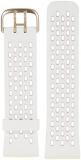
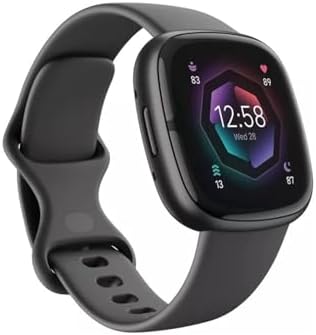
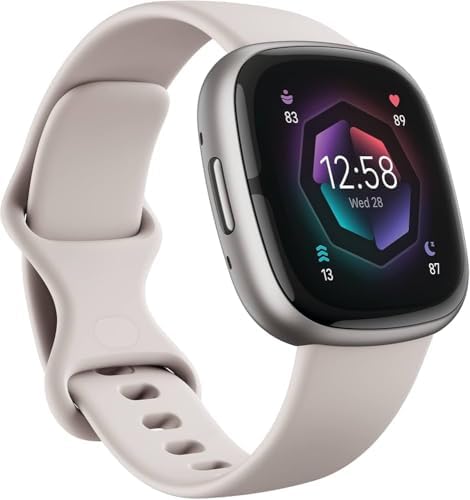
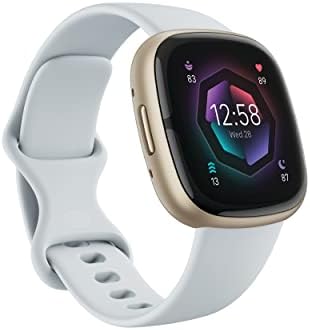
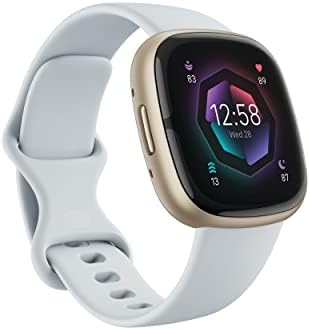
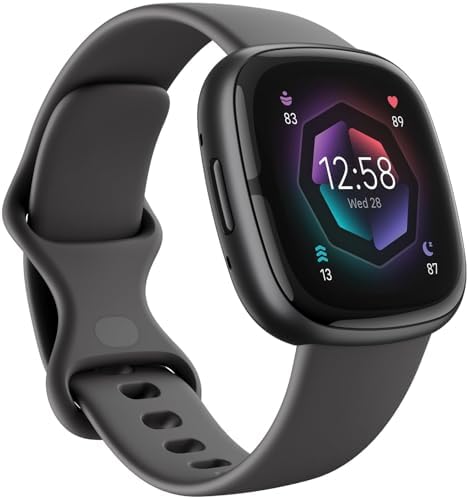
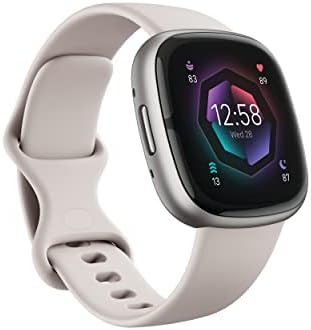
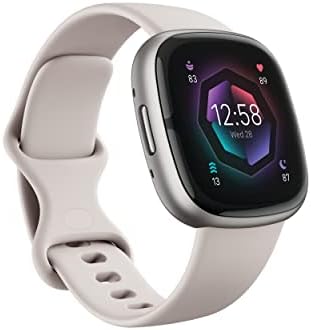
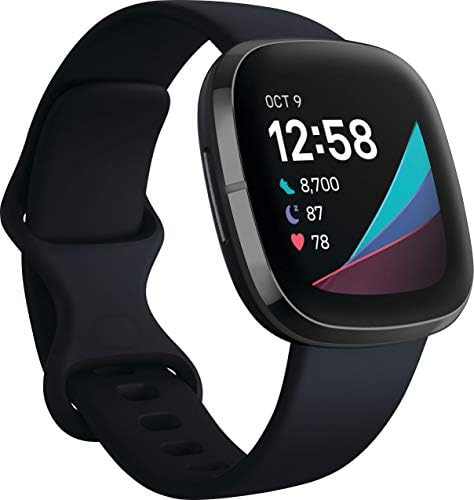
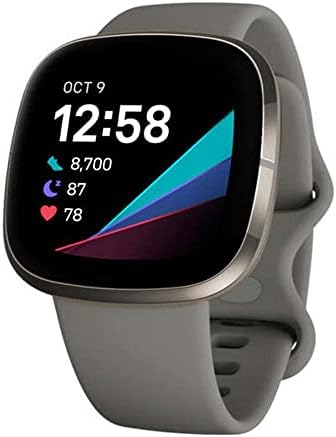
The Fitbit Sense and the Fitbit Versa 2 represent two distinct chapters in Fitbit’s wearable evolution, yet both remain relevant choices for health-conscious users in today’s market. The Sense arrived as Fitbit’s most advanced health smartwatch, introducing electrodermal activity scanning and an EKG app, while the Versa 2 carved its reputation as a refined all-rounder with Amazon Alexa built in and a vibrant AMOLED display. For anyone weighing a used or entry-level Versa 2 against a premium Sense, the decision hinges on which health metrics matter most and how much advanced sensor technology justifies the price difference. This detailed comparison serves as a practical buying guide, breaking down every meaningful specification and feature so readers can make an informed, confident choice worth bookmarking for future reference.
| Feature & Selling Point | Fitbit Sense | Fitbit Versa 2 |
|---|---|---|
| Display Type | AMOLED, always-on option | AMOLED, always-on option |
| Voice Assistant | Amazon Alexa built-in | Amazon Alexa built-in |
| ECG App | Yes (on-device) | No |
| Electrodermal Activity (EDA) Scan | Yes | No |
| Stress Management | Stress Management Score with EDA | Relax guided breathing sessions |
| Skin Temperature Sensor | Yes | No |
| Blood Oxygen Monitoring | Yes (SpO2) | No (estimated oxygen variation only) |
| Built-in GPS | Yes | No (connected GPS via phone) |
| Water Resistance | 50 meters | 50 meters |
| Battery Life (Typical) | 6+ days | 6+ days (up to 5 days with always-on) |
| Key Selling Point | Advanced health sensors for stress and heart | Voice-first lifestyle companion at a lower cost |
| Best Suited For | Health enthusiasts monitoring stress, ECG, and skin temp | Everyday users wanting Alexa, music, and fitness basics |
The table above highlights the fundamental distinction between the two wearables: the Sense is built around clinical-grade health telemetry, whereas the Versa 2 focuses on convenience and voice control at a more accessible price point. The most consequential differences are the presence of an ECG app, EDA sensor, and built-in GPS on the Sense, which together make it a far more capable wellness device for those who prioritize physiological insight over everyday smartwatch conveniences.
Design Philosophy and Build Quality
The Fitbit Sense adopts a contemporary, slightly more substantial case profile that measures 40.48 mm and uses a stainless steel frame, projecting a premium tool-like presence on the wrist. Its curved corners and matte-finish aluminum side button contrast with the bright AMOLED display, which is protected by Gorilla Glass 3. The Versa 2, in contrast, retains a more rounded, lightweight aluminum chassis that prioritizes featherlight comfort, making it easier to forget the watch is even there during sleep tracking. Both devices share the same 50-meter water resistance rating, meaning they can handle swimming, rain, and sweaty gym sessions without concern.
Fitbit positions the Sense as its most advanced health smartwatch, a claim evidenced by the external sensor hub that houses the EDA and skin temperature components. The Versa 2’s design language is closer to the original Versa lineage, focusing on a minimalistic, fashion-forward aesthetic that suits both boardroom attire and weekend activewear. On the wrist, the Sense feels denser and more substantial, while the Versa 2 disappears into the background, a deliberate design choice that appeals to users who dislike bulky wearables.
Health and Fitness Tracking Capabilities
Where the Sense fundamentally separates itself from the Versa 2 is in the depth of its health monitoring. The Sense includes an FDA-cleared ECG app that allows users to assess their heart rhythm for signs of atrial fibrillation, a significant health tool that is simply absent on the Versa 2. Complementing this is the EDA Scan app, which measures electrodermal activity to indicate stress responses, and a skin temperature sensor that tracks temperature variations throughout the night. These sensors feed into a detailed Stress Management Score, giving users a daily snapshot of how their body is coping with physical and emotional demands.
The Versa 2 is not without merit, it supports PurePulse heart rate tracking and sleep Stage tracking comparable to the Sense, providing a solid foundation for 24/7 wellness monitoring. It also features guided breathing sessions on the Relax app. However, the absence of on-device SpO2 monitoring is notable: the Versa 2, relies on the Fitbit app to estimate oxygen variation while sleeping, a less reliable approach than the dedicated pulse oximeter sensor found on the Sense. For the wider range of Fitbit brand wearables that offer advanced metrics, the Sense occupies the premium tier.
Workout Modes and GPS Functionality
Outdoor runners and cyclists will find the built-in GPS on the Sense a major advantage, as it enables precise pace and route mapping without carrying a phone. The Versa 2 relies on connected GPS, which sips phone battery and can be less accurate in dense urban environments or tree-covered trails. Both watches automatically recognize a variety of workouts, but the Sense categorizes them into a more detailed exercise history within the Fitbit Today app, offering granular workout intensity maps when GPS is active.
The smart track feature on both devices records activity automatically, but the Sense adds Active Zone Minutes, a metric that measures time spent in fat burn, cardio, or peak heart rate zones. This is a motivating tool for those training with heart rate targets, whereas the Versa 2, uses the older Active Zone Minutes framework that is visualised in a more basic format. For casual walkers and gym-goers, the Versa 2’s suite of 15+ exercise modes remains perfectly serviceable, but the Sense provides greater context and analytics around each session.
Smartwatch Features and Daily Usability
Both watches ship with Amazon Alexa integrated, allowing users to check the weather, control smart home devices, and set timers using voice commands. The built-in microphone and speaker on both models support these voice interactions and also enable quick replies to notifications via preset responses. The Sense enhances this with a more refined haptic motor and a brighter display that peaks at 1000 nits, making it noticeably easier to read in direct sunlight compared to the Versa 2’s 400-nit panel.
Music playback differs significantly: the Versa 2 supports Deezer and Pandora playback with downloaded playlists on board, while the Sense requires a phone connection for streaming but supports the same apps. Storage on the Sense is double that of the Versa 2, so on-device music holds more albums. Fitbit Pay is available on the Sense, supporting contactless payments from the wrist, whereas the Versa 2 lacks NFC entirely, which means no contactless payments at all.
Battery Life and Charging Ecosystem
Real-world battery tests show the Sense lasting about six days per charge with normal use, which includes receiving notifications, periodic SpO2 measurements, and overnight sleep tracking. The Versa 2 often edges slightly beyond that, reaching six to seven days, particularly if the always-on display feature is disabled. Both models use proprietary magnetic pucks, but the Sense charges slightly faster, reaching full capacity in about one hour and forty minutes compared to the Versa 2’s two hours.
When always-on display is activated, the Versa 2’s battery drain is more pronounced, dropping to around three to four days, while the Sense maintains closer to five days under similar brightness settings. Device compatibility across both models mirrors the broader Fitbit Sense and related smartwatch platform, which connects seamlessly with both Android and iOS devices, including older OnePlus units, since Fitbit maintains broad OS support. Additionally, the Sense is fully compatible with the Fitbit Share feature, allowing users to share their daily activity loop with friends, a social layer absent on the Versa 2.
Advanced Sensors and Clinical-Grade Capabilities
The standout feature on the Sense is its full suite of onboard sensors: a multipurpose electrical sensor compatible with the ECG and EDA apps, a red and infrared sensor for SpO2 measurement, and a skin temperature sensor. These components work in tandem with Fitbit’s algorithm, in compliance with regulatory standards for an FDA-cleared ECG function. Per prescription is not needed; the user simply rests two fingers on the corners of the case for 30 seconds to receive a reading.
The Versa 2, by comparison, is a conventional optical heart rate tracker, lacking any electrical or temperature sensing capabilities. For those who have a family history of heart rhythm disorders or who are genuinely curious about their stress and body temperature patterns, the Sense delivers actionable insights that no other Fitbit at this promotion stage can match within the same price band. However, the Versa 2’s feature set remains completely adequate for young, healthy buyers whose primary goal is tracking daily steps, sleep hygiene, and workout consistency, not cardiac forensics.
Which Model Makes Sense for You?
Buyer decision should be anchored by the personal need for stress management and heart rhythm tracking. For anyone who wants to keep an eye on potential sleep apnea, track temperature variations, or proactively check for signs of atrial fibrillation, the Sense is the justified premium investment. Its built-in GPS also makes it superior for training outdoors without a phone, and Fitbit Pay adds convenience that is hard to give up on once experienced. When browsing top Fitbit Charge 5 for fitness-focused users, it is clear Fitbit reserves its most sophisticated sensors for the premium line.
Conversely, the Versa 2 remains an outstanding value purchase particularly for those one who prioritizes voice control via Alexa, who enjoy a lighter form factor, and who do not need the additional clinical-grade health analysis. Its the fully featured OS and reliable battery life make it the smarter pick for budget-conscious shoppers seeking a polished everyday companion. Given that the Sense line invites comparison against the Fitbit Sense 2 smartwatch offering as well, the legacy Sense often drops to tempting price points, narrowing the monetary gap between the two models in question.
In the end, choosing between the Fitbit Sense and the Versa 2 is largely a conversation about how much physiology the wearer wants to observe and how much they value autonomous health tools. The Sense is a compact wellness lab engineered for proactive, data-driven living where subtle shifts in stress and heart health carry personal significance. The Versa 2 is a charming, approachable gateway into smartwatch ownership that remains culturally relevant thanks to its integration with digital ecosystems and exceptional ergonomics. Both watches embody Fitbit’s continuing commitment to making health metrics accessible, but the Sense does so with a level of depth that supports serious reflection on one’s body. Whichever timepiece aligns with an individual’s routine, each one reinforces the daily habit of awareness that contributes to a more balanced life.