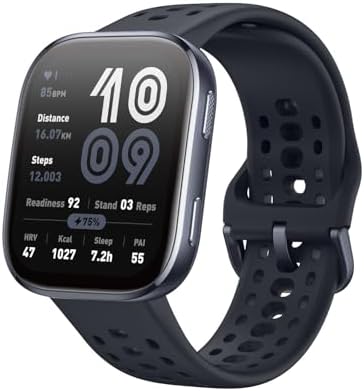
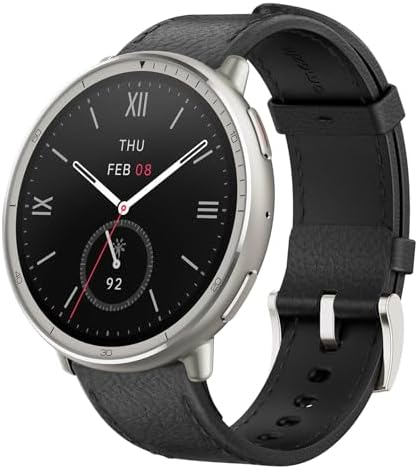
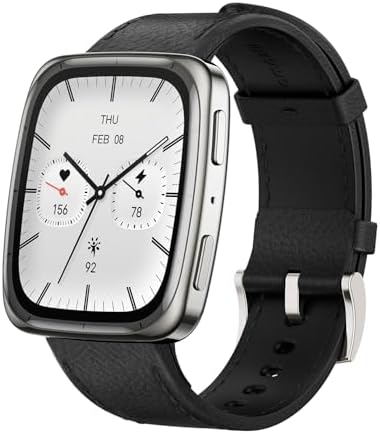
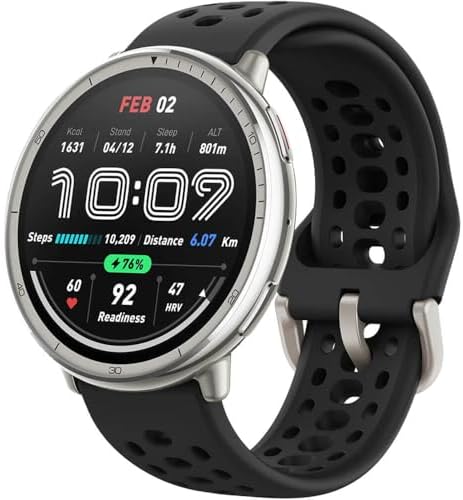
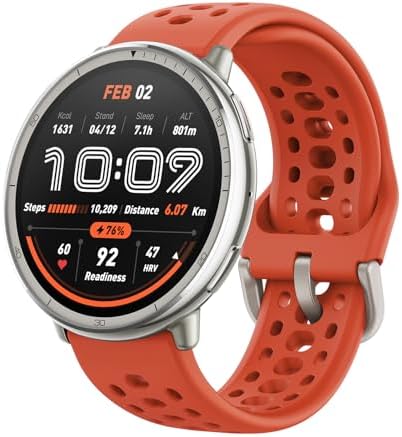
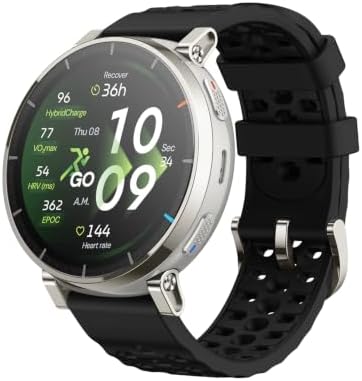
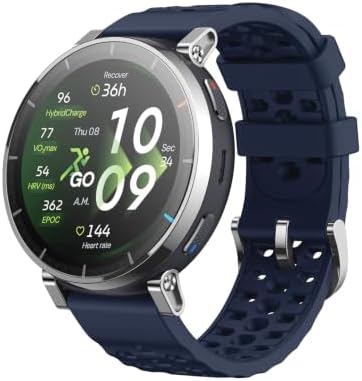
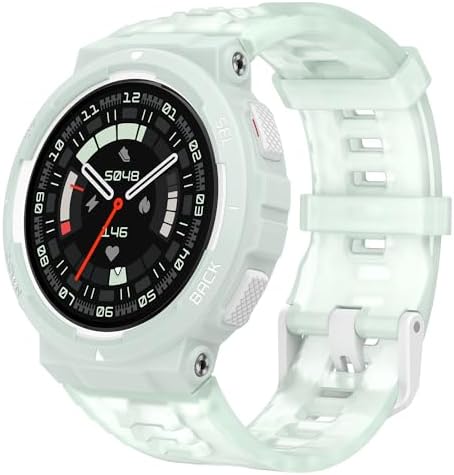
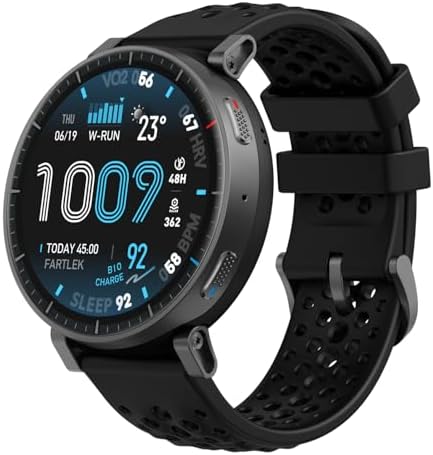
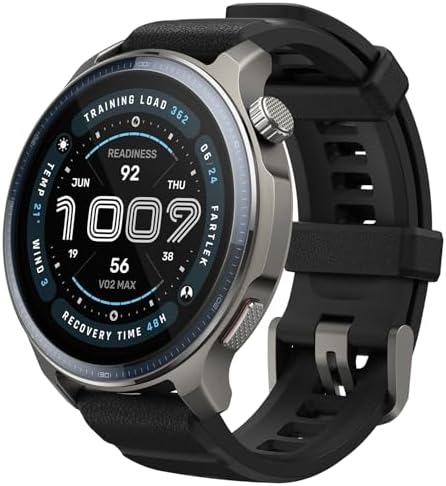
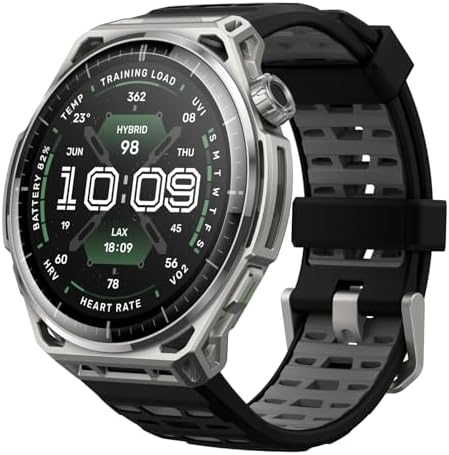
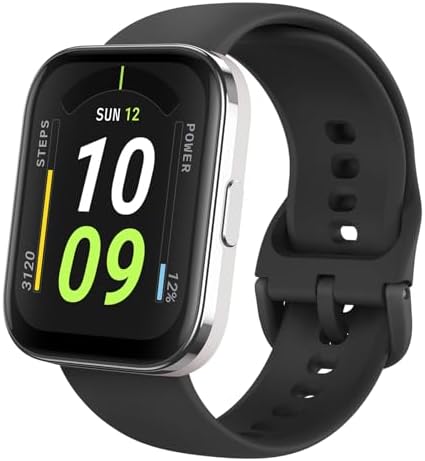
The Amazfit Bip 6 pairs a 1.97-inch AMOLED panel with a rated 14-day battery, while the Fitbit Versa 4 answers with a 1.58-inch AMOLED screen, built-in GPS, and tight integration into the Google and Fitbit health platform. Both sit in the affordable smartwatch bracket, yet they solve the same problem from opposite directions: the Bip 6 leans on screen area and endurance, while the Versa 4 leans on software maturity and training guidance. This guide breaks down the real trade-offs so the right model can be matched to the right wrist, and it is built to be saved and revisited at the point of purchase.
| Decision Factor | Amazfit Bip 6 | Fitbit Versa 4 |
|---|---|---|
| Display and Case | 1.97-inch AMOLED, 46mm case | 1.58-inch AMOLED, slim case |
| Rated Battery Life | Up to 14 days typical use | Roughly 6 days, less with GPS |
| Built-in GPS | Yes, with free offline maps | Yes, exercise logging focus |
| Health Sensors | Heart rate, SpO2, sleep, stress | Heart rate, SpO2, sleep, stress |
| Workout Modes | 140+ modes | 40+ modes |
| Bluetooth Calling | Yes, plus text replies | Calls route to the handset |
| Training Guidance | AI-assisted readiness hints | Daily Readiness Score, Active Zone Minutes |
| Water Resistance | 5 ATM | 5 ATM |
| Companion App | Zepp app, free core features | Fitbit app with Google account synergy |
| Subscription Layer | No paywall on core tracking | Deeper insights via Fitbit Premium |
| Phone Compatibility | iOS and Android | iOS and Android |
| Wearability Profile | Large, sport-forward chassis | Slim, everyday-friendly body |
| Charging Rhythm | Fortnightly habit | Weekly routine |
| Best Suited To | Endurance and offline navigation | Structured coaching and platform depth |
| Standout Selling Point | Two-week endurance on AMOLED | Daily Readiness and Premium coaching library |
The table exposes the core tension immediately: the Bip 6 wins on endurance, display area, and offline navigation, while the Versa 4 wins on training intelligence and ecosystem depth. Neither spec sheet settles the argument on its own, because the deciding factor is not which watch carries more features, but which set of features is actually used daily. A runner logging long outdoor sessions will feel the Bip 6’s battery advantage every week, while someone chasing sleep scores and readiness coaching will find the Versa 4’s software more persuasive.
Battery Architecture and the Cost of Always-On Displays
The single biggest practical difference between these two watches is how often the charger comes out of the drawer. The Amazfit Bip 6 is rated for up to 14 days of typical use from a single charge, a figure that depends heavily on screen-on time, GPS usage, and whether the always-on display mode is enabled. Turning on always-on display typically cuts endurance substantially, and continuous GPS tracking can reduce it to a handful of days. Even with those caveats, a two-week rhythm is plausible for moderate users, which means charging becomes a weekend habit rather than a nightly ritual.
The Fitbit Versa 4 sits at a different point on the curve. Fitbit specifies roughly six days of battery life, with real-world results dropping when built-in GPS is used for outdoor runs or when the always-on display is active. Six days is still respectable for a smartwatch, but it establishes a weekly charging routine. The gap matters most for travelers, hikers, and anyone who dislikes carrying a proprietary charging cable on short trips. The endurance side of this argument is defined by the Amazfit Bip 6 Smart Watch 1.97″ 46mm GPS Bluetooth, whose 14-day rating is the headline specification that shapes its entire value proposition.
- Bip 6: Up to 14 days typical use, shorter with GPS and always-on display
- Versa 4: Roughly 6 days, with heavier drain during outdoor tracking
- Charging style: Both use proprietary magnetic charging cables, so neither offers a universal standard
Display, Case Size, and Wearability
The 1.97-inch AMOLED panel on the Bip 6 is unusually large for this price bracket, and the 46mm case reflects that ambition. A bigger screen improves glanceability for notifications, maps, and workout stats, but it also increases wrist presence. Wearers with narrower wrists may find the 46mm case visually dominant, and the larger chassis adds a small amount of weight compared to slimmer alternatives. The trade-off is straightforward: more screen area for more information, at the cost of a sportier, more prominent profile.
The Fitbit Versa 4 takes the opposite approach with a 1.58-inch AMOLED display in a slimmer body. Text and metrics are still legible, but the smaller canvas makes map viewing and multi-field workout screens less comfortable. In exchange, the Versa 4 slides under a shirt cuff more easily and reads as a general-purpose wearable rather than a dedicated sports computer. For office use, sleep tracking, and all-day wear, the slimmer Versa 4 often feels less intrusive. This is the classic screen-size-versus-wearability negotiation, and it cannot be resolved by specifications alone; it depends on wrist size and how much time the watch spends displaying maps.
GPS, Navigation, and Outdoor Reliability
Both watches include built-in GPS, which means outdoor runs, rides, and walks can be tracked without carrying a phone. The Bip 6 goes further by offering free offline maps, a feature rarely seen at this price point. Offline maps are genuinely useful for hikers, trail runners, and cyclists exploring unfamiliar routes, because they allow navigation without a cellular connection. The trade-off is that offline maps consume storage and battery, so long mapping sessions will erode the 14-day rating.
The Versa 4’s GPS implementation is more focused on exercise logging than navigation. It records pace, distance, and route data that sync to the Fitbit app, where the emphasis shifts to training analysis rather than turn-by-turn guidance. For urban runners who follow known routes, this is entirely sufficient. For anyone venturing onto trails, the Bip 6’s map support is a meaningful functional advantage. The question is whether that advantage is actually used; a GPS watch with maps that never leaves the neighborhood is simply a heavier watch.
Health Tracking and Training Intelligence
Sensor hardware on both watches covers the expected ground: continuous heart rate monitoring, blood oxygen measurement, sleep staging, and stress tracking. The differentiation lives in software interpretation. The Bip 6 includes AI-assisted health and sleep tracking alongside 140+ workout modes, which gives it broad coverage across activities ranging from running and cycling to swimming, strength work, and less common sports. That breadth suits users who mix disciplines or enjoy variety.
The Versa 4 leans on Fitbit’s established Daily Readiness Score, which combines activity, sleep, and heart rate variability data to suggest whether a hard session or a recovery day is appropriate. Active Zone Minutes translate effort into a single weekly target, and the Fitbit app remains one of the more polished health dashboards available. Some of the richer insights sit behind Fitbit Premium, which adds an ongoing cost. Buyers weighing the two should decide whether they want a wide net of workout modes with free features or a narrower but deeper coaching framework, potentially with a subscription attached. Those comparing the broader Versa family can explore the Versa 4 lineup to see how the models differentiate.
Ecosystem, App Quality, and Long-Term Ownership
Software ecosystems outlast hardware cycles. The Fitbit Versa 4 benefits from integration with Google services and the mature Fitbit app, which handles syncing, social challenges, and historical data with minimal friction. Android users in particular gain from the Google account relationship, and the app’s design has been refined over many years. The main caveat is the subscription layer: Fitbit Premium gates certain detailed analyses, so the total cost of ownership over two or three years is higher than the sticker price suggests. For a full view of the platform’s scope, the Fitbit brand illustrates how the Versa line fits alongside the brand’s other families.
The Amazfit Bip 6 runs on the Zepp app, which has improved considerably but still feels less polished than Fitbit’s software in terms of onboarding tutorials and community features. The compensations are free access to core functionality and broader third-party service compatibility. Amazfit’s watch faces, always-on customization, and general openness appeal to tinkerers. The branding and design language across the range can be reviewed through the Amazfit brand, which shows how the Bip 6’s large-screen formula relates to the brand’s other series. For buyers who prefer not to manage a subscription, the Bip 6’s all-inclusive approach is a lower-friction long-term proposition.
Which Buyer Should Choose Which Watch
The Bip 6 is the stronger choice for anyone who values battery endurance above all, wants a large AMOLED display for glanceable data, and benefits from offline maps during outdoor activities. It also suits buyers who prefer free core features over subscription-gated insights. Its weaknesses are the bulkier 46mm case and a companion app that trails the market leader in polish.
The Versa 4 is the better fit for users who prioritize structured training guidance, Daily Readiness feedback, and seamless integration with Google and Fitbit services. Its slimmer 1.58-inch design wears more comfortably in professional settings, and 40+ exercise modes cover most common activities. The trade-offs are shorter battery life and the pull toward Fitbit Premium for the deepest insights. A buyer who charges a watch weekly and expects coaching guidance will feel at home here, while someone who resents a charger will gravitate toward the other wrist. The coaching-first approach is embodied by the Fitbit Versa 4 Fitness with Daily Black Graphite GPS, which packages that guidance into a slim everyday wearable.
Frequently Asked Questions
Does the Bip 6 support Bluetooth calling?
Yes. The Bip 6 supports Bluetooth calling and text replies when paired with a compatible phone, a feature not available on the Versa 4, which handles notifications but routes calls to the handset.
Is the Versa 4 a better fitness tracker than the Bip 6?
It depends on how training is structured. Both track heart rate, sleep, and workouts. The Versa 4’s advantage is its Daily Readiness Score and Active Zone Minutes system, which offers clearer weekly guidance. The Bip 6 counters with 140+ workout modes and no subscription requirement for core features, so it handles variety more openly.
Which watch lasts longer on a single charge?
The Bip 6 is rated at up to 14 days of typical use, compared to roughly six days for the Versa 4. The gap narrows with heavy GPS or always-on display use on both models, but the Bip 6 retains a substantial endurance advantage in most real-world scenarios.
The right decision comes down to how each watch is actually worn. For those who prioritize endurance and screen real estate, the Amazfit Bip 6 delivers a two-week rhythm that makes charging an afterthought. For those who want structured guidance and the reassurance of a mature health platform, the Fitbit Versa 4 offers a refined coaching experience. Matching those priorities to daily habits is the surest way to get lasting value from the wrist.