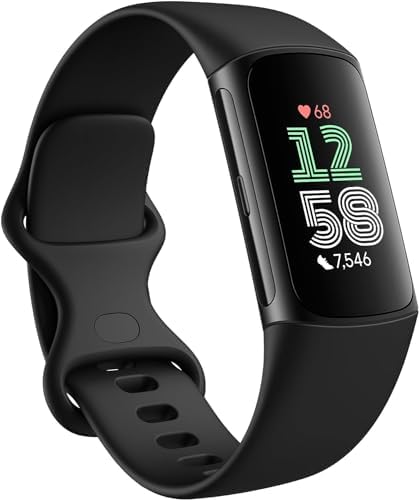
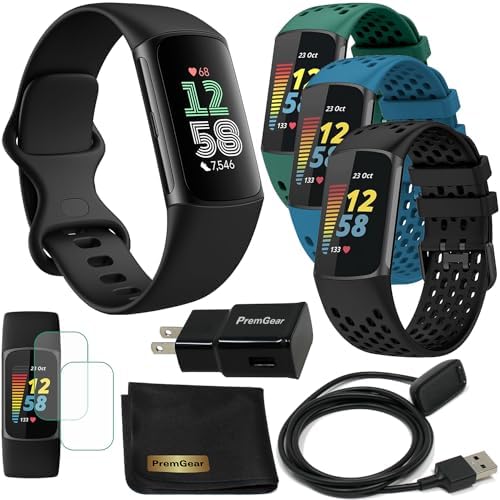
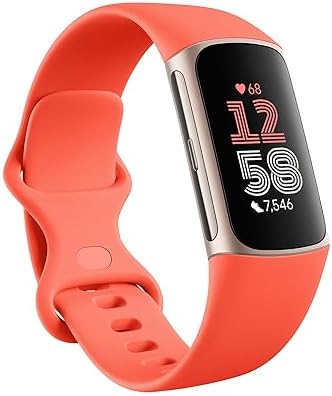
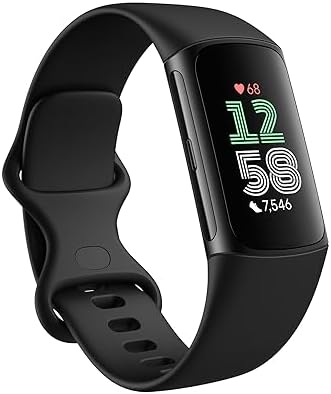
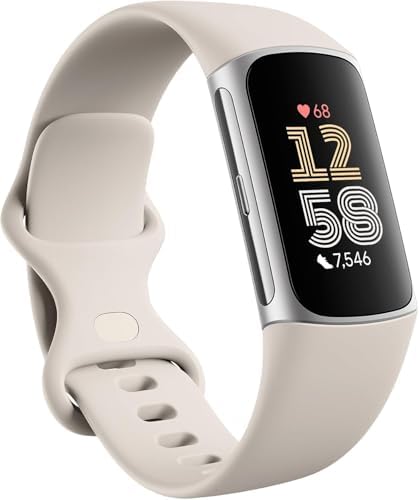
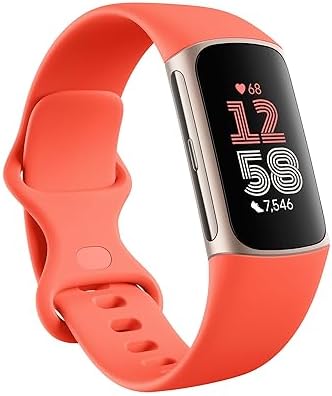
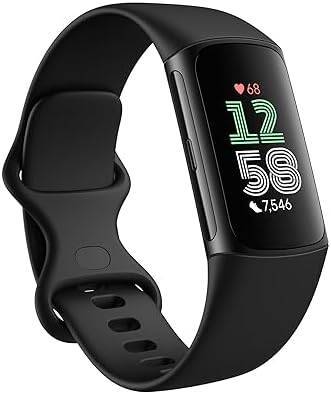
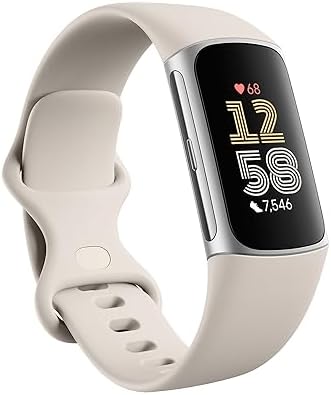
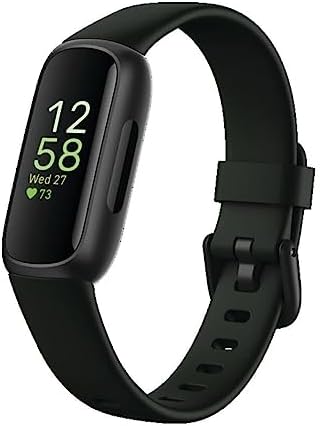
A 41mm-wide sliver of matte aluminium and glass, the Fitbit Charge 6 sits somewhere between a traditional fitness band and a full smartwatch, and that in-between position is exactly where its appeal lives. Fitbit states that the tracker delivers its most accurate heart rate reading on a band yet, with heart rate tracking during vigorous activities such as HIIT reported as up to 60 percent more accurate than earlier generations. That single claim underpins almost everything else the device does, because every readiness score, cardio load figure, and workout summary flows from the optical sensor array tucked against the wrist.
The feature set is broader than the familiar step-and-sleep formula. The Fitbit brand’s platform has been folded into Google’s health ecosystem, and the Charge 6 is the first band in the line to carry Google apps directly on the wrist. Understanding what that means in practice, which tools matter day to day, and where the hardware still behaves like a dedicated tracker rather than a smartwatch, is the purpose of this breakdown.
Heart Rate Tracking and the Google Sensor Advantage
The optical heart rate module is the centrepiece of the Charge 6. Fitbit positions the device around a multi-path sensor design that samples blood volume changes at the wrist, then filters motion artefact out of the signal during high-intensity intervals. The practical result is a tracker that holds a usable reading through burpees, sprints, and kettlebell swings, where older bands often dropped to a flatline or lagged behind actual effort.
Two features extend that sensor beyond the wrist itself. Heart rate on gym equipment lets the band broadcast its reading to compatible cardio machines, so a treadmill or rower can display a live pulse without a chest strap. Active Zone Minutes translates raw beats per minute into weekly targets based on fat burn, cardio, and peak zones, weighting vigorous minutes more heavily than moderate ones. Together they turn the sensor into something closer to a training tool than a passive monitor.
Daily Readiness Score and Cardio Load
The Daily Readiness Score combines recent activity, sleep quality, and heart rate variability into a single morning figure that suggests whether to push hard or back off. Cardio Load takes the opposite view, charting cumulative cardiovascular strain across the week so that training spikes become visible before they turn into fatigue. Neither metric requires manual logging; both are calculated from the data the band collects continuously.
Sleep and Stress Monitoring
Overnight, the Charge 6 tracks sleep stages, breathing rate, and skin temperature variation, feeding a sleep score that highlights disruptions rather than simply counting hours in bed. During the day, an electrodermal activity sensor looks for stress responses and prompts a guided breathing session when the reading climbs. The same sensor stack carries across every model in the Charge 6 lineup, so the health tools behave consistently regardless of which band size or colour is chosen.
Built-In GPS and Outdoor Training
A built-in GPS receiver means the band can record pace, distance, and route without a paired phone. For runners and cyclists who leave the handset at home, that independence matters more than any on-screen metric, because a workout that cannot be mapped is only half recorded. The Charge 6 locks onto satellites quickly in open terrain and holds a signal through tree cover reasonably well, though dense urban canyons still demand patience.
More than 40 exercise modes cover the usual ground: running, cycling, swimming, weights, yoga, and rowing among them. The band carries a water resistance rating suitable for pool sessions, and the swim mode counts laps and strokes rather than merely logging time. For multi-sport days, the tracker can be switched between modes mid-session without ending the overall workout record.
- Positioning: Built-in GPS, no phone tether required
- Exercise modes: 40+ profiles including swim, weights, and HIIT
- Broadcast: Heart rate sharing with compatible gym equipment
- Water resistance: Rated for pool and shower use
Google Apps and Smart Features on the Wrist
The Charge 6 ships with Google Maps and Google Wallet available directly on the band, which changes how the device is used in daily life rather than only during workouts. Turn-by-turn directions vibrate on the wrist, sparing the wearer from pulling out a phone on a busy street, and contactless payments work through Wallet at terminals that accept Google Pay.
YouTube Music controls are also present, allowing playback adjustment without reaching for the handset. These additions are modest in scope compared with a full smartwatch, yet they fill the gaps that once made bands feel like secondary devices. Notifications, call alerts, and calendar reminders round out the everyday layer.
Battery Life and Charging Routine
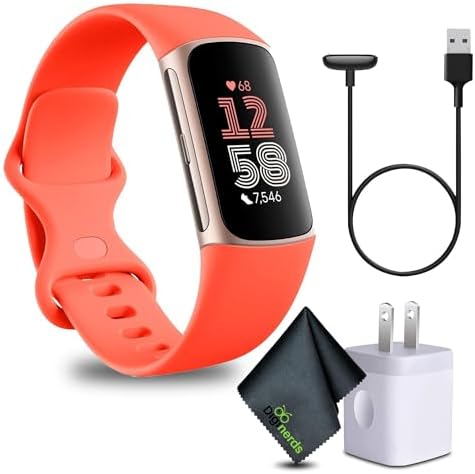
Fitbit rates the Charge 6 for up to seven days of use, with GPS sessions and always-on display settings drawing that figure down considerably. In practice, a mix of daily wear, three or four outdoor runs, and continuous heart rate monitoring lands closer to four or five days between charges. The magnetic charging cable tops the band up quickly, and a short session is usually enough to cover another day.
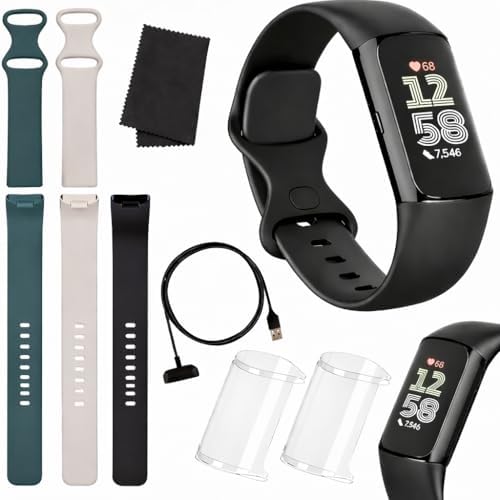
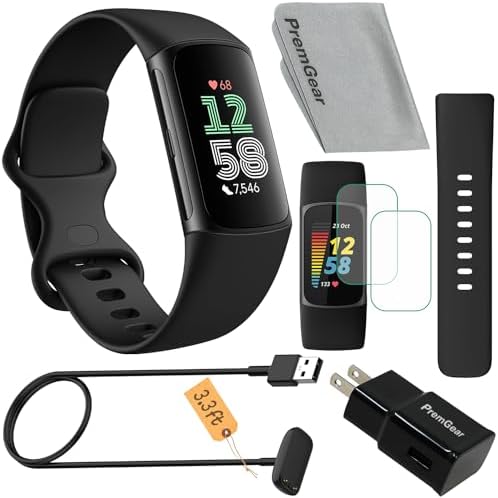
This endurance profile is central to the device’s identity. A band that needs charging nightly cannot reliably track sleep, and the Charge 6 avoids that trap by prioritising week-long stamina over display brightness or processor speed. The Google Fitbit Charge 6 – Fitness Tracker – Obsidian/Black ships with small and large bands in the box, along with a three-month Google Health Premium membership.
Design, Display, and Wearability
The case measures roughly 41mm across and sits lightly on the wrist, with a slim profile that slides under a shirt cuff without complaint. An aluminium body keeps weight down while resisting the scuffs that come with daily wear, and the fluoroelastomer strap is supple enough for overnight sleep tracking. A haptic side button provides physical feedback for starting and stopping workouts, a small detail that proves useful with sweaty hands.
The AMOLED display is bright enough for direct sunlight and dims automatically in dark rooms. Colour reproduction is good for a band of this size, and the always-on mode, while costly in battery terms, keeps time visible without a wrist raise. Watch faces can be customised through the app, and the layout prioritises glanceable data over decorative flourishes.
Who the Charge 6 Suits Best
Runners and gym regulars who want accurate heart rate data, built-in GPS, and a week of battery life will find the package coherent. The Google apps layer adds genuine convenience for city dwellers who pay for coffee with a wrist tap or follow walking directions without a phone in hand. Sleep and stress tracking are mature enough to be trusted, and the readiness score gives structure to recovery decisions.
Those expecting a full smartwatch experience, with app stores and third-party installs, should look elsewhere. The Charge 6 is deliberately bounded: it does a defined set of things well rather than attempting everything. That focus is what makes the feature list readable and the device dependable over months of use.
The Charge 6 represents a settled point in the evolution of fitness bands, where sensor accuracy, battery endurance, and just enough smartphone convenience meet without excess. For anyone building a training routine around measurable data, it offers a complete instrument rather than a compromise.