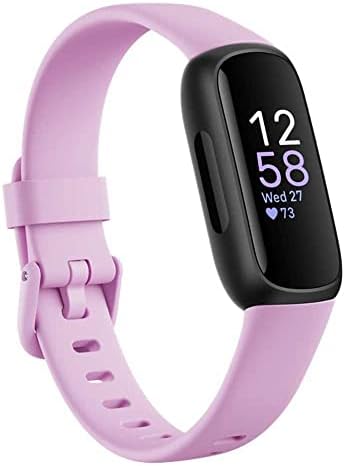
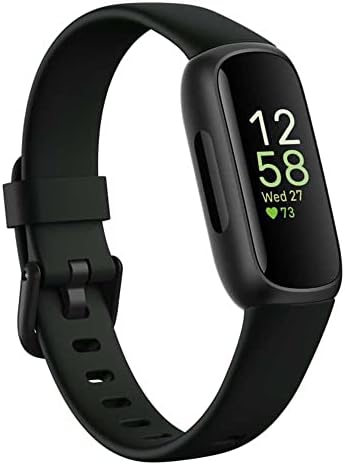
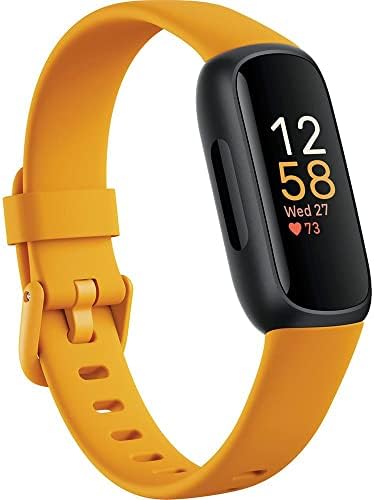
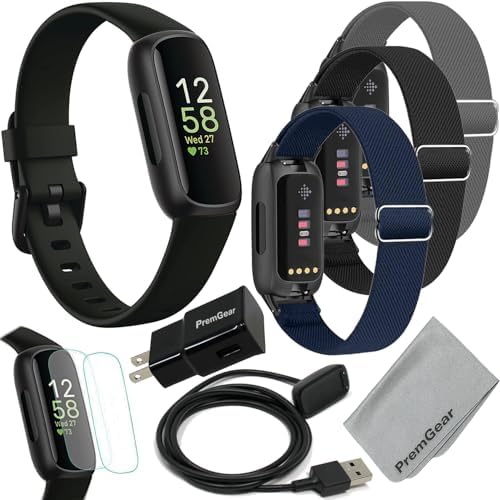
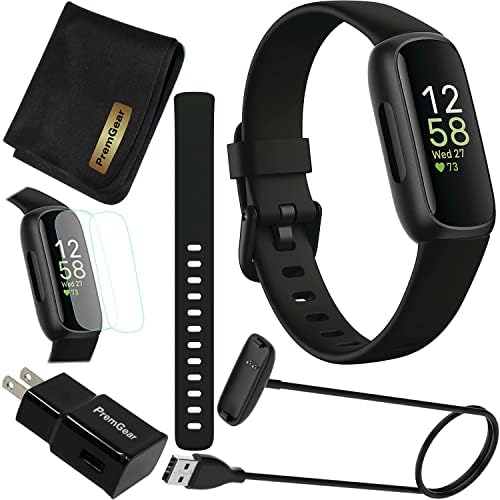
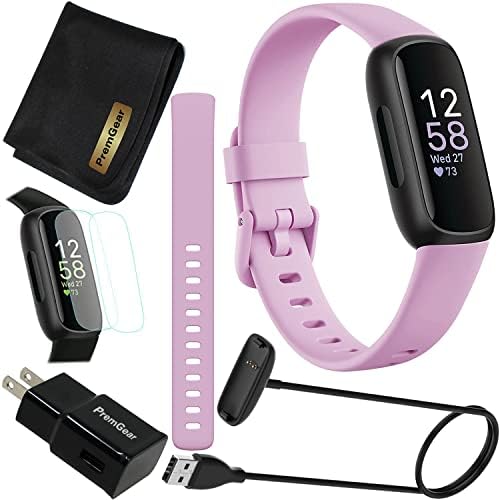
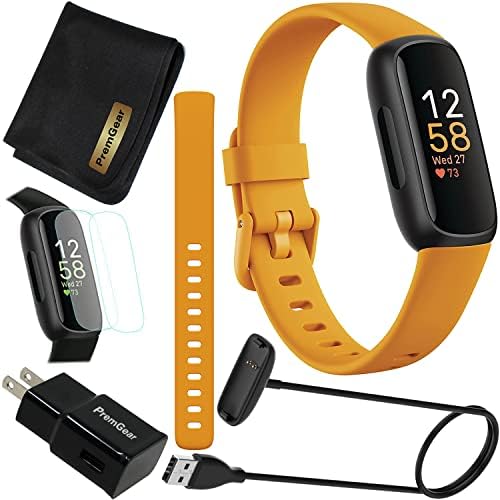
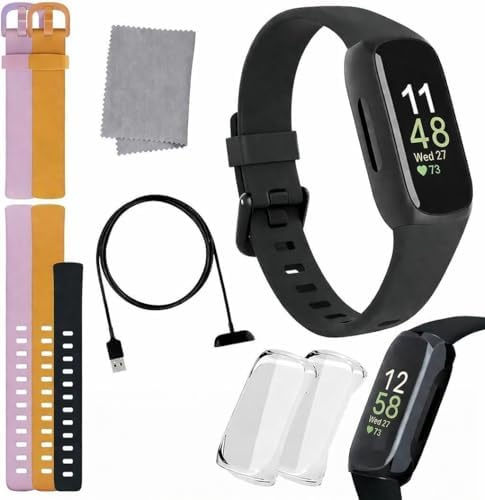
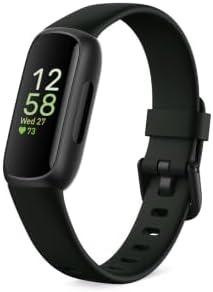
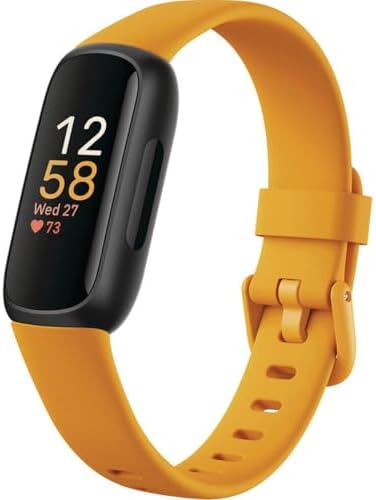
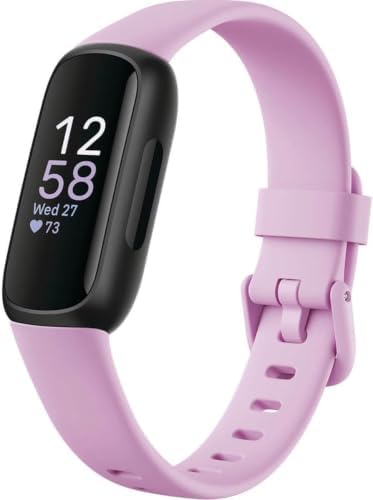
Sleep is a report card the body issues quietly every night, and the Fitbit Inspire 3 for sleep tracking was engineered to read that report accurately. Rather than relying on how a wearer feels at dawn, the tracker logs how long sleep lasts each night and breaks the total into light, deep, and REM stages. That single capability transforms a simple fitness band into a daily reference point for recovery, energy, and long-term wellbeing.
For anyone who has ever suspected that eight hours in bed does not always equal eight hours of rest, this matters. The Inspire 3 approaches sleep as a measurable process rather than a vague routine, and that perspective shapes everything about how it is worn, charged, and interpreted.
How the Fitbit Inspire 3 Tracks Sleep
The core mechanism is motion-sensing combined with continuous heart rate readings. Fitbit states that the device automatically tracks how long sleep lasts each night and how the total time divides between light, deep, and REM stages. No button press, no bedtime marker, and no manual timer are required as part of the standard overnight routine. A wearer simply goes to bed, and the data appears the following morning.
That automatic behaviour separates the Inspire 3 collection from trackers that demand conscious input before every night of data collection. The 24/7 heart rate sensor underpinning the estimate works continuously, so overnight readings are part of the same stream that powers daytime zone minutes and stress signals. The result is a fuller picture than a sleep-only gadget can offer.
Wear Accuracy and Sensor Behaviour
Sensor placement matters more for sleep data than for almost any other metric. A band that slips, twists, or sits loosely through the night will produce gaps. The Inspire 3 uses a slim case paired with a soft, flexible strap, and it is designed to be worn close to the skin without pinching. A slight but steady tension against the wrist at night is the practical way to secure dependable readings.
Consistency across nights supports a trend-led reading of the numbers, and the tracker is built for exactly that: nightly logging rather than one-off measurement. A change in bedding, ambient temperature, or stress prompts a visible movement in sleep stage totals, which is a useful signal that the sensor is still responding to real physiological shifts rather than plateauing in a cloud of false stability.
Sleep Stages, In Plain Terms
The stage split reflects what the sensor infers across the night. Deep sleep generally concentrates earlier in the night and is associated with physical recovery; REM clusters toward morning and is tied to memory consolidation. Light sleep fills the gaps. The Inspire 3 reports how long is spent in each, which makes it possible to spot patterns such as shortened deep sleep before a busy week or fragmented REM after late meals.
This dataset grows more informative the longer it accumulates over consecutive nights. It gives a practically oriented owner a baseline against which a single unusual night becomes meaningful, reinforcing the value of routine, continuous wearing over scattered, single-night measurement cycles.
Beyond Sleep: The Supporting Metrics Worth Watching
Sleep is only one half of the nightly equation. The other half involves the data that shapes the following day. According to Fitbit, the Inspire 3 also logs skin temperature and blood oxygen during the night, feeding daily scores that reflect recovery status. Skin temperature trends are a slow-moving variable, and a small deviation from a personal baseline is often more informative than a headline reading that momentarily draws attention but carries little actionable weight.
Combined with a daily readiness score, these overnight signals convert raw numbers into a morning briefing. A lower temperature trend paired with a shorter-than-usual deep-sleep window suggests an easier day ahead. That connection between last night and this morning is the practical outcome of round-the-clock tracking for anyone living with a demanding schedule and an uncertain need to interpret subjective fatigue.
The fitness tracking aspects of the Fitbit Inspire 3 Health & Fitness Midnight Black follow the same logic. Stress management tools, workout intensity readings, and 24/7 heart rate data share the sensors with overnight monitoring, so the device supplies one integrated dataset instead of several disconnected ones. The included three-month Google Health Premium membership extends the usefulness of that data with deeper analysis.
Wearing It Overnight: Comfort and the Small Practicalities
A tracker only delivers reliable sleep data if it is actually worn through the night, and here the slim, lightweight build works in its favour. The band is narrow enough that side sleepers can rest a hand close to the face without pressing the case awkwardly into the skin. Permeable straps reduce trapped heat, helping maintain the natural overnight body temperature dip that the temperature sensor is tracking.
- Overnight comfort: lightweight case with a flexible strap that stays seated on the wrist
- Battery approach: multi-day endurance, so charging is a daytime task rather than a nightly ritual
- Display: colour OLED screen with an always-on style option, dimmed during rest
- Water behaviour: water resistant and safe for showers and swims
- Data sync: straightforward pairing to the Fitbit app for morning review
Charging quickly becomes the habit most likely to interrupt data collection. A charging slot scheduled after a morning shower, or a brief top-up while sitting at a desk, keeps the device ready before darkness falls. Owners who treat the band as a permanent wrist resident rather than a training accessory consistently collect the most complete sleep histories.
Reading the Data Without Overreacting to It
Sleep statistics invite over-analysis as strongly as they will ever reward it. A single poor night is noise. A pattern across two or three weeks is signal. The sensible method is to open the app at roughly the same time each morning, compare the night’s totals against the recent baseline, and only adjust behaviour when a trend persists. Chasing every small fluctuation undermines the purpose of long-form monitoring that is meant to remain useful over months, not just on any given morning.
Watch-style smartwatches solve some tracking problems while introducing others, including weight and charging frequency. The compact form factor of models like those found in the Fitbit brand’s approach to everyday wear gives the Inspire a clear identity as a discreet tool. That restraint makes the numbers easier to live with and to trust exactly because the device never demands attention during the night.
Who Benefits Most, and Where It Fits
Shift workers, frequent travellers, and endurance athletes gain the most because irregular schedules expose patterns that those on fixed routines can ignore. Anyone tracking a doctor’s advice about rest, or simply refining an evening routine around consistent bedtimes, will find the nightly stage data more actionable than another generic article explaining that sleep is important. The Inspire 3 also suits a minimalist who wants overnight insight without carrying wrist notifications and calls.
These patterns reward consistency and thoughtful interpretation, with the tracker acting as the tool and the decision as the wearer’s. The quiet value of the Inspire 3 lies in that division of labour: the device measures, the wearer decides, and the night’s data becomes a small but steady input into how the following day is lived.