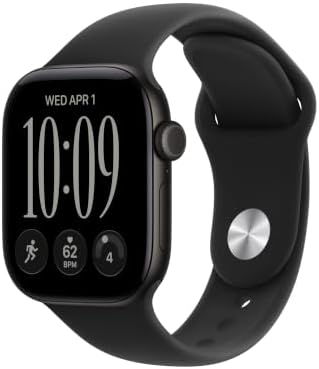
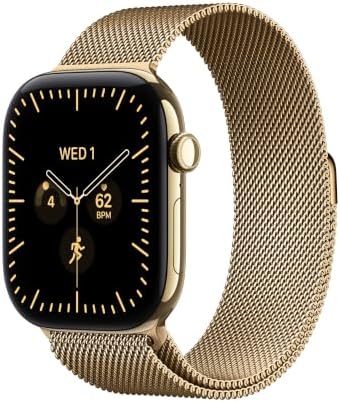
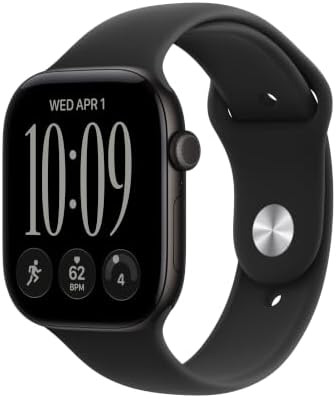
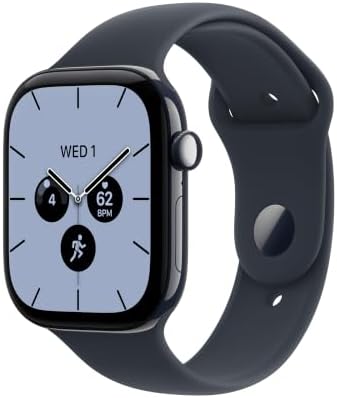
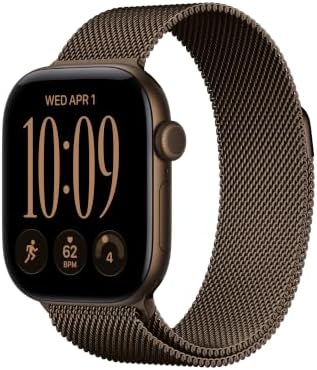
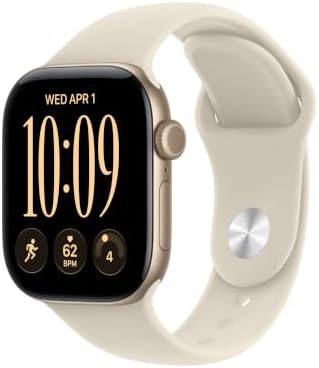
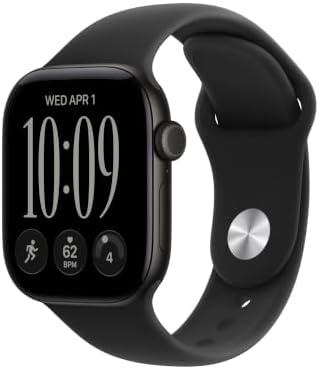
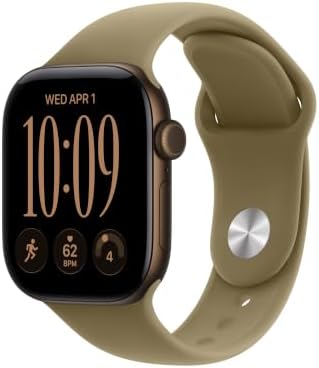
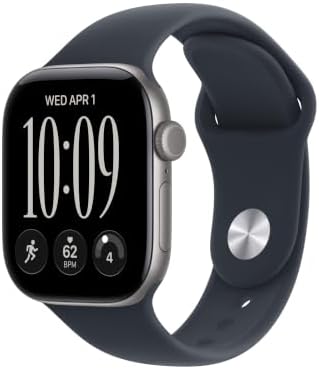
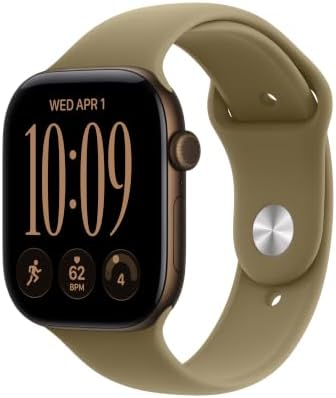
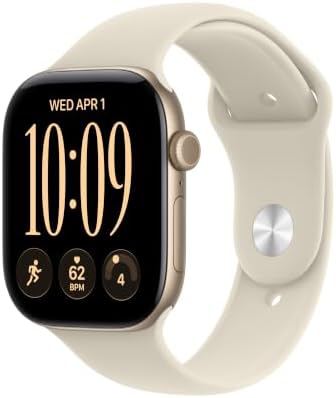
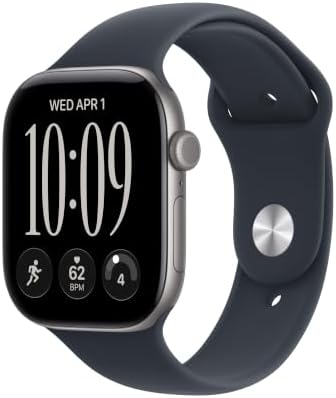
The wrist-worn smartwatch and the finger-worn smart ring now occupy the same health-tracking conversation, and the Apple Watch Series 12 lineup alongside the Oura Ring 5 family represent two distinct answers to a single question: how much intrusion should wellness monitoring require? This guide is built as a lasting buying reference, weighing the two collections on the specifications that actually change a purchase decision rather than on surface appearance.
One side is a full smartwatch platform with a display, an app ecosystem and cellular options; the other is a ring that trades the screen for a smaller physical footprint and an emphasis on overnight recovery data. The comparison below sets the trade-offs side by side so the choice becomes a matter of usage patterns rather than brand loyalty.
| Decision Factor | Apple Watch Series 12 | Oura Ring 5 |
|---|---|---|
| Form Factor | Wrist-worn smartwatch with display | Finger-worn ring, no display |
| Health Sensing | Health Sensing System with higher-frequency heart rate and HRV readings | Overnight heart rate, HRV and recovery focus |
| Processor | S11 chip | Not specified in available sources |
| Display and Interaction | Full touchscreen, Activity rings, on-watch apps | None; data viewed in the Oura app |
| Connectivity Options | GPS and GPS + Cellular variants | Pairs to phone via Bluetooth |
| Available Case Sizes | Multiple case sizes, including a 46mm option | Ring sizing based on finger measurement |
| Case Materials | Aluminum case options, including a dark bronze finish | Not specified in available sources |
| Charging Cadence | Regular charging routine typical of a display smartwatch | Periodic ring charging, worn through the night |
| Sleep Tracking Suitability | Supported, but a larger object on the wrist overnight | Designed around overnight wear |
| On-Device Notifications | Yes, on the watch display | No; alerts handled on the phone |
| Fitness Tracking Depth | Workouts, Activity rings and workout metrics on screen | Activity and readiness emphasis over on-demand workout data |
| Standalone Use | Cellular variants operate without a phone nearby | Relies on a paired phone for data review |
| Daily Wear Discretion | Visible wrist presence; prominent screen | Minimal visual footprint |
| Best Suited To | Users wanting an all-in-one device with cellular and apps | Users prioritising sleep, recovery and discreet wear |
The table makes the split clear: one product is a general computing device worn on the wrist, the other a sensor package worn on a finger. The single most consequential row is not the hardware spec but the wear pattern, since the Apple Watch asks to be charged and glanced at, while the Oura Ring 5 asks only to be left on overnight.
What the Series 12 Health Sensing System Actually Changes
Apple’s own announcement frames the Series 12 around a new Health Sensing System paired with the S11 chip, and the specific claim attached to that hardware is meaningful: higher-frequency heart rate and heart rate variability sampling. Frequency matters because HRV is a beat-to-beat measurement, and the more closely spaced the samples, the more useful the resulting trend line becomes for anyone tracking stress load, training recovery or general cardiovascular baseline.
That technical framing positions the Apple Watch as a device that measures continuously and in public. A user can glance at heart rate during a workout, check a breathing trend after a difficult week, or review Activity ring progress on a lunch break. Apple also commissioned a Heart Rate Accuracy Study published in 2026 that included both wrist-worn and finger-worn reference devices, a detail that signals the company treats ring-based sensing as a credible comparison point rather than a rival to dismiss.
For a closer look at the configurations this generation offers, Series 12 covers the available case sizes and finish options within Apple’s current generation.
Where the Oura Ring 5 Wins on Practical Grounds
The Oura Ring 5 is built around overnight wear, and that single design choice cascades into every metric it does well. Finger-based sensing avoids the wrist movement that complicates sleep staging, and a ring produces no screen glow to disturb a partner or interrupt the user’s own sleep onset. For anyone who has abandoned a smartwatch at night because it felt bulky or needed charging before morning, the ring removes the friction entirely.
The Oura app, listed on Apple’s own App Store, organises that data into recovery-oriented feedback: readiness indicators, sleep summaries and heart rate variability trends presented as guidance rather than raw telemetry. The ring offers no display, no notifications and no standalone workouts, and it does not attempt to. Its value proposition is a continuous, low-intrusion signal stream that a phone interprets.
It is also worth noting that Apple’s 2026 accuracy study explicitly accounts for Oura’s recommended finger placement, which makes clear that the ring is measured fairly against the wrist standard. Apple’s Health page presents the Apple Watch as a platform for closing Activity rings and reviewing trends, while the Apple brand’s ecosystem is positioned around an on-wrist, interactive experience that differs in philosophy from a passive ring.
Battery, Charging and the Discipline Each Device Demands
Any serious buying guide has to confront charging behaviour, because the best tracker is the one that stays on the body. A display smartwatch consumes power for screen wake, notifications, GPS and apps, so it needs a predictable charging slot, usually during a quiet hour of the day. The Apple Watch Series 12 GPS + Cellular 46mm pairs a larger case with always-available connectivity, which makes that routine a fixed part of ownership.
The ring shifts the routine instead of removing it. Because the Oura Ring 5 is designed for sleep, charging happens away from the night: a short top-up during a morning shower or while working at a desk covers most usage. The trade-off is uneven across the week, so frequent travellers should plan a charging window rather than assume it will appear.
This is the quiet decision point most comparisons skip. A user who already charges a phone and laptop each night will barely notice a watch pad; a user who values uninterrupted sleep more than daytime convenience will prefer the ring’s reversed rhythm.
Fitness, Cellular Freedom and the Display Question
Exercise is where the two devices diverge most sharply. The Apple Watch provides live on-watch metrics, structured workouts, GPS route recording and activity ring progress, all visible mid-session. Its GPS + Cellular variants mean a run without a phone still supports calls, messages and streaming, a genuine capability rather than a marketing flourish, and one that defines the device for outdoor athletes.
The Oura Ring 5 treats activity differently. Without a display, it cannot offer paced splits or live pacing, and it asks the wearer to review activity after the fact through the app. What it can do is measure how a body responds to a training week and flag when readiness falls, which suits strength training, yoga, commuting and anyone whose priority is load management rather than performance timing.
Case shape matters too. Apple’s aluminum case options include introduced finishes such as dark bronze, and the lineup spans multiple sizes, with 46mm best suited to larger wrists. A ring is sized to the finger and disappears under gloves or sleeves, an advantage in a workshop, laboratory or clinical setting where a protruding watch is impractical.
Reading the Accuracy Study Before You Decide
Apple’s 2026 Heart Rate Accuracy Study is the most useful piece of public evidence in this comparison, because it places wrist and finger sensors in the same methodology. Third-party accuracy claims rarely state their reference device; Apple does, and it openly describes wearing the ring on an index finger per the manufacturer’s best practices.
For buyers, the practical reading is this: neither placement is inherently flawed, and modern optical sensors perform well across both. What differs is the position the device holds in daily life. A watch on the wrist is checked dozens of times a day; a ring on the finger is checked in morning and evening reviews.
Which Buyer Should Choose Which
- Choose the Apple Watch Series 12 if you want a display, cellular freedom, on-watch apps, live workout data and an all-round daily device.
- Choose the Oura Ring 5 if you want sleep, HRV and readiness data without wearing a screen overnight, and you accept that activity insights arrive after the fact.
- Consider both only if you will genuinely split roles, a ring for sleep and a watch for training and calls, and accept two charging routines.
The line across the middle of this decision is whether the user needs to see biometric data in real time or simply live with it being collected. Wearables that demand attention tend to hold it; wearables that stay silent tend to stay on the finger. Both collections address the same market with opposite assumptions about how much a person wants a screen on the wrist.