The Galaxy Watch8 Classic and the Galaxy Watch9 answer the same question from opposite directions: how much should a modern smartwatch lean on tactile hardware, and how much on software efficiency and endurance? This guide is written for buyers who intend to keep the watch for years, so every specification below is treated as a decision criterion rather than a footnote. The comparison table that follows is the fastest way to see where the two directions diverge before the deeper analysis begins.
| Feature and Selling Point | Galaxy Watch8 Classic | Galaxy Watch9 |
|---|---|---|
| Case Size | 46mm | 40mm and 44mm options |
| Case Dimensions | 43.7 x 46 x 8.6mm | 40.4 x 42.7 x 8.6mm (40mm) |
| Weight | 34.0g | 31.5g (40mm) |
| Display Type | Super AMOLED | Super AMOLED |
| Navigation Hardware | Physical rotating bezel plus Quick Button | Touch bezel interface |
| Battery Capacity | 590mAh class cell | 800mAh, roughly 20 percent larger |
| GPS Positioning | Single-band GPS | Dual-frequency GPS |
| Case Aesthetic | Cushion-shaped, dress-sport hybrid | Slim, rounded everyday profile |
| Strap and Lug Design | Integrated lugs, dressier strap fitment | Standard quick-release lugs |
| Sleep Tracking | Sleep coaching with detailed staging | Sleep insights with coaching algorithms |
| Fitness Coaching | Running Coach, Energy Score | Fitness coaching with Energy Score |
| Connectivity | Bluetooth, Wi-Fi, NFC | Bluetooth, Wi-Fi, NFC |
| Best Suited To | Buyers wanting tactile control and classic presence | Buyers prioritizing battery and lighter wear |
| Upgrade Case | Watch6 Classic owners seeking the bezel return | Owners of older base models wanting efficiency |
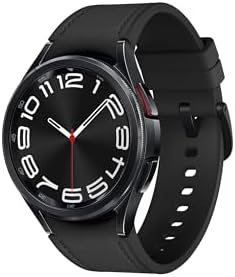
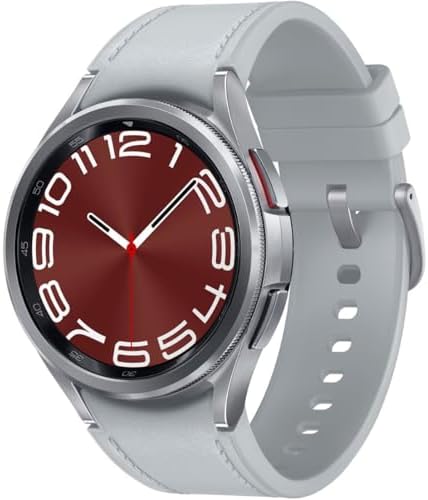
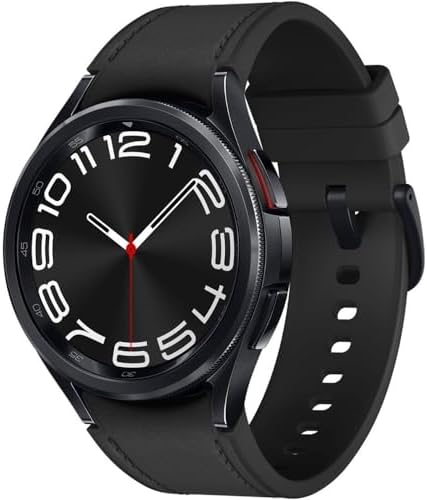
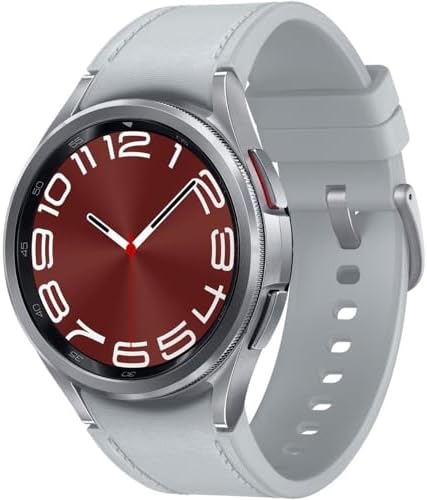
The single most consequential line in that table is the battery gap: Samsung states that the Galaxy Watch9 carries a cell roughly 20 percent larger than the previous model, rated at 800mAh against the 590mAh class figure associated with the Classic form factor. Pair that with dual-frequency GPS on the Watch9 and the Classic’s physical rotating bezel, and the decision hinges on whether you value endurance and positioning accuracy or tactile control and formal presence. The Samsung Galaxy Watch9 Graphite 40mm Bluetooth sits at the lighter end of that trade-off, while the Classic variant occupies the heavier, more instrument-like end.
The Case Architecture: Cushion Form Against Slim Minimalism
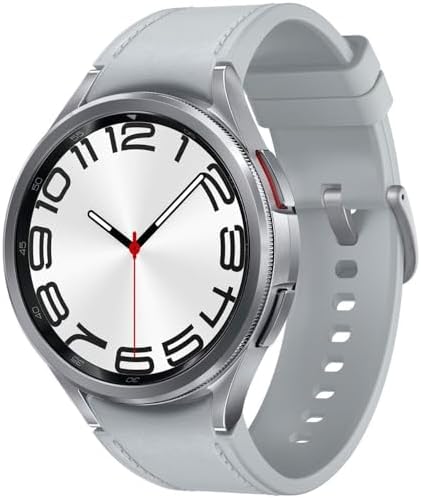
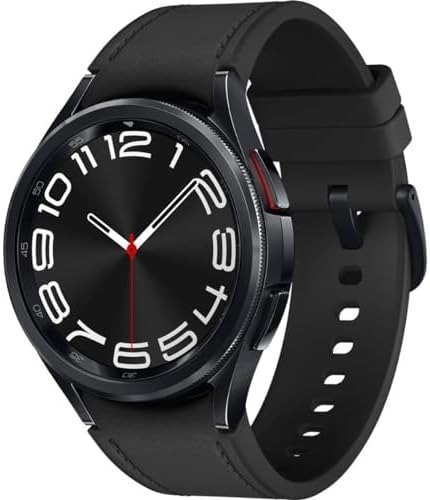
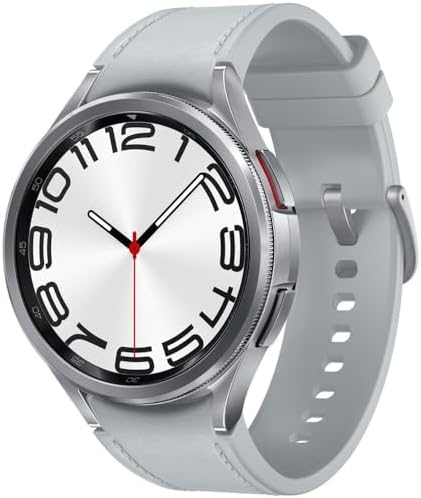
Case geometry is the first thing a buyer notices and the last thing they can change. Samsung has pushed the Classic line toward a cushion-profile case that measures 43.7 x 46 x 8.6mm at 34.0g, according to the official comparison data published on the Samsung support pages. That silhouette harks back to the brand’s earliest gear-era smartwatches and gives the watch a distinct visual edge under a shirt cuff, similar in spirit to how a dress-sport chronograph balances a broad bezel with a compact dial opening.
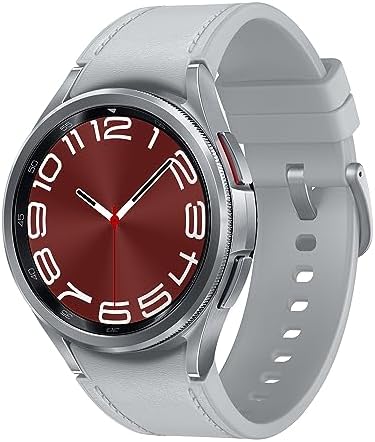
The Watch9 takes the opposite route. Its 40mm version measures 40.4 x 42.7 x 8.6mm at 31.5g, which keeps the same thinness while removing more than two grams and several millimetres of footprint. On a 16cm wrist, that difference is not academic: the 40mm case clears the wrist bone without overhang, while the 46mm Classic demands a wrist of roughly 17cm or more to sit flat. Buyers with smaller wrists should treat the Watch9 as the default and consider the Classic only if a substantial wrist presence is the goal.
The lug design reinforces the split. The Classic uses integrated lugs with a dressier strap fitment, which narrows the range of third-party straps that sit flush. The Watch9 uses standard quick-release lugs, so aftermarket bands from most makers fit without modification. For anyone who swaps straps seasonally, that is a practical advantage worth weighing against the Classic’s more formal look.
Control Philosophy: Rotating Bezel Versus Touch Interface
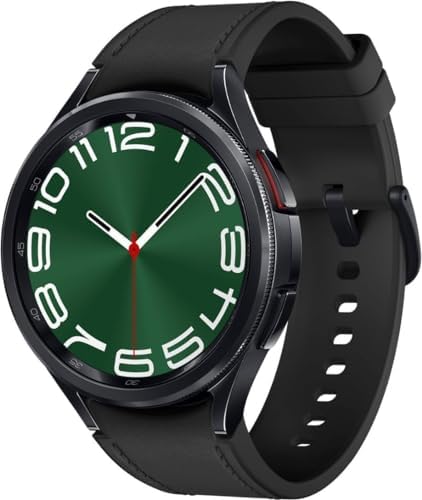
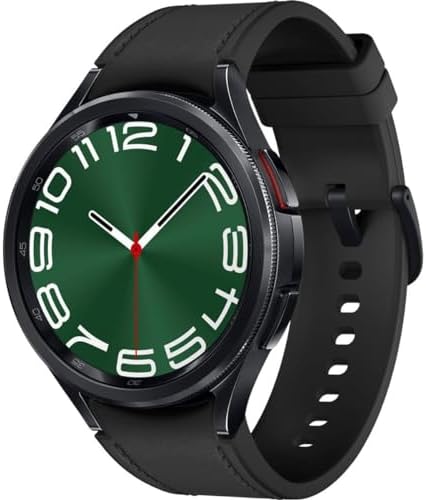
The rotating bezel is the reason many buyers stayed loyal to the Classic line through the years when Samsung omitted it. On the Watch8 Classic, the bezel clicks through detents and moves through menus, widgets, and volume without covering the screen. In rain, with gloves, or with wet fingers after a swim, that mechanical feedback is more reliable than capacitive touch. The Quick Button adds a second physical control that can be mapped to a workout or a frequently used app. The Samsung Galaxy Watch 8 Classic (2025) Black 46mm Bluetooth pairs that hardware with a single black finish that reads as a tool watch rather than a fashion piece.
The Watch9 relies on a touch bezel, where a finger traces the rim of the display to scroll. It works, and it keeps the case thinner and the bezel narrower, but it demands a dry finger and a moment of precision. The trade-off is deliberate: Samsung removed the mechanical assembly to free internal volume for the larger 800mAh cell. Buyers who have never used a physical bezel will not miss it; buyers who have will notice its absence within the first hour.
Battery, GPS, and the Real-World Endurance Gap
The 800mAh cell in the Watch9 is the headline number, and it changes usage patterns rather than just spec sheets. With always-on display enabled and a daily 45-minute GPS run, the Watch9 is rated by Samsung to last through a full day and into a second morning without a top-up. The Classic’s 590mAh class cell typically requires an evening charge on the same routine. For anyone who travels or works long shifts, that difference decides whether the watch is a tool or a dependency.
Dual-frequency GPS on the Watch9 is the second endurance-adjacent upgrade. By locking onto two satellite bands, it reduces the drift that single-band GPS shows in city canyons and under tree cover. The Classic’s single-band GPS is adequate for open-road running and casual walking, but runners who care about pace accuracy in dense urban environments will notice the difference in their route maps. Neither watch is a dedicated multisport instrument, but the Watch9 narrows the gap to purpose-built running watches more than its predecessor did.
Health Tracking and Coaching Software
Both watches run the same generation of Samsung Health, so the software stack is close to identical: sleep coaching with detailed staging, an Energy Score that summarises recovery, and a Running Coach that adjusts intensity based on recent load. The hardware differences matter at the margins. The Watch9’s lighter case and larger battery make overnight wear more comfortable and less likely to be interrupted by a low-battery warning, which in turn produces more complete sleep data. Sleep tracking is only as good as the nights it actually records.
The Classic’s advantage in software is ergonomic rather than functional. Navigating a coaching session with a rotating bezel while moving is easier than tapping a touch bezel mid-stride. For structured interval work, where you need to glance and adjust quickly, the physical control is the better interface. For passive all-day tracking, the Watch9’s comfort and endurance win.
Who Should Buy the Galaxy Watch8 Classic
Three buyer profiles fit the Classic best. Owners of a Watch6 Classic or earlier bezel model who have been waiting for the physical control to return will find the Watch8 Classic the direct continuation of that lineage. Buyers who wear a watch to an office and want a smartwatch that reads as a traditional timepiece under a cuff will appreciate how the cushion case and integrated lugs do more visual work than a slim round case. Anyone who regularly operates the watch with gloves, wet hands, or in motion will find the bezel and Quick Button outperform touch input.
Buyers with wrists under about 16.5cm should look elsewhere, as should anyone who prioritises multi-day battery or needs the most accurate GPS available in a Samsung watch. Those buyers should start with the Watch9 and treat the Classic as a stylistic alternative rather than a functional upgrade.
Who Should Buy the Galaxy Watch9
For most buyers, the Watch9 is the more sensible starting point. Its 40mm case fits a wider range of wrists, its 31.5g weight makes overnight sleep tracking comfortable, its 800mAh cell reduces charging anxiety, and its dual-frequency GPS is the more accurate positioning system of the two. Buyers upgrading from a Watch4, Watch5, or a non-Classic Watch6 or Watch7 will find the Watch9 a straightforward improvement in the areas that matter day to day.
Buyers who have already decided they want a mechanical bezel, or who prefer a watch with more visual mass on the wrist, will find the Watch9 less satisfying. The touch bezel is functional but not equivalent, and no software update will change that. It is also worth noting that the 44mm Watch9 narrows the size gap to the Classic without matching its weight or its formal character.
The Criteria That Should Decide the Purchase
Reduce the decision to four questions. Does the wrist measure 17cm or more? If not, the Watch9 is the safer fit. Is multi-day battery a requirement rather than a preference? If so, the Watch9’s larger cell is decisive. Is tactile control during activity or with gloves a genuine use case? If so, only the Classic delivers it. And does the watch need to pass as a traditional timepiece in a formal setting? The cushion case and integrated lugs answer yes more convincingly than the slim Watch9 profile.
Buyers who answer yes to the first two questions and no to the last two should choose the Watch9 without hesitation. Buyers who answer yes to the last two should accept the heavier case and shorter endurance as the price of the bezel. The remaining buyers, who sit in the middle, should handle both in person if possible, because the bezel is a tactile decision that specifications cannot settle.
Long-Term Ownership and Upgrade Timing
Both watches share Samsung’s multi-year software update commitment, so neither will be orphaned quickly. The more relevant question is resale and strap ecosystem. The Classic’s integrated lugs limit aftermarket options, which matters if you like to change the look of a watch over a multi-year ownership period. The Watch9’s standard lugs keep the full third-party strap market open, and its lighter case is less likely to feel burdensome after several years of daily wear.
Upgrade timing favours the Watch9 for most buyers. It represents the newer platform with the larger battery and better GPS, and it will remain the more future-proof choice for longer. The Classic is the better buy for a specific buyer who already knows they want the bezel, and for whom the endurance gap is an acceptable cost. Neither watch is a compromise; they are simply built around different priorities, and the right answer depends on which priority you are unwilling to give up.